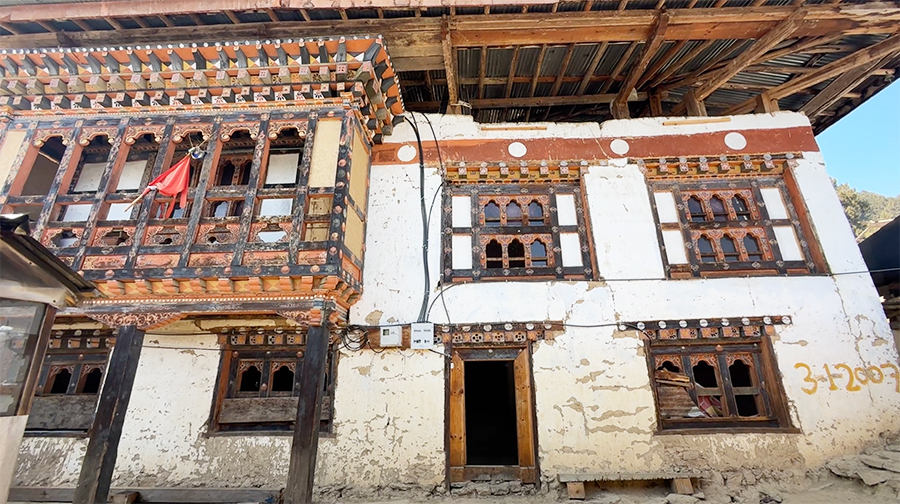
 Rural communities across the country are finding it challenging to preserve ancient monasteries using the limited budget allocated to gewog activities for the preservation and promotion of cultural and religious heritage. One such example is Sachog Goenpa in Papaling village of Maedtekha Gewog in Chhukha, which today lies in a deteriorating condition.
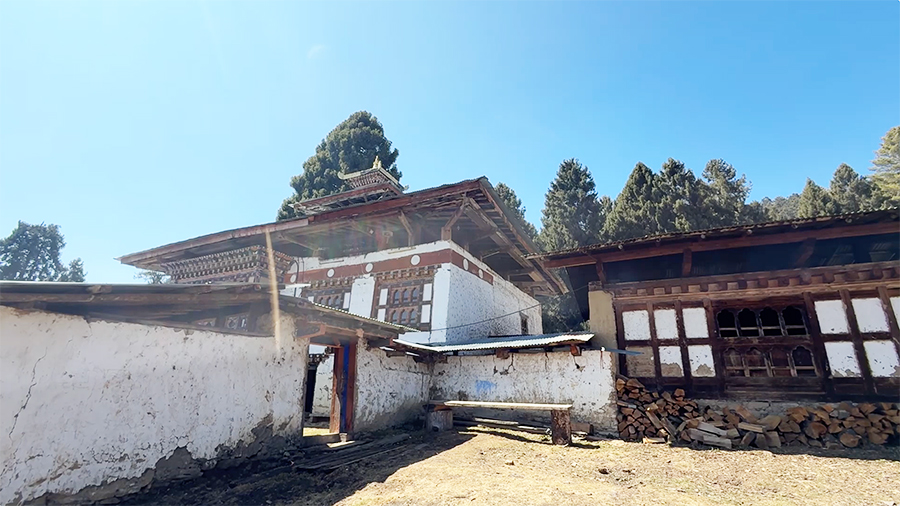 Sachog Goenpa, located about 15 kilometres from Bueltikha in Paro, quietly overlooks the village of Papaling.
Locals regard it as a sacred monastery, believed to be centuries old. For generations, people from nearby districts, such as Paro and Haa, have visited the monastery to make their annual offerings.
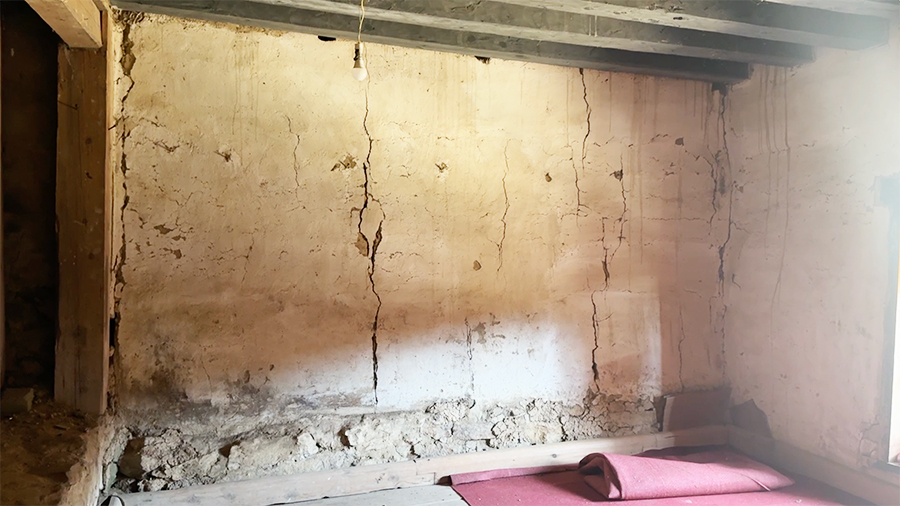 Residents say hundreds of devotees visit the monastery every year to pay their respects and seek blessings. However, the monastery’s condition has deteriorated over time. The structure has aged, parts of it now requiring urgent restoration.
The gewog administration and residents have made several attempts to renovate the monastery. However, their efforts have not been successful due to limited financial resources.
Local leaders say reconstruction work began last year. But due to budget constraints, the work could not progress further and remains incomplete.
“The monastery is in dire need of maintenance and reconstruction. We have been trying to do as much as we can on our part. However, due to rules and regulations that limit the budget for such a cause, there is not much we can do. The gewog has been reaching out to the government, Dratshang Lhentshog and people as much as we could. However, the works are incomplete and halted due to budget limitations,” said Passang Tshering, Maedtekha Gup, Chhukha.
“The condition of the monastery has deteriorated very badly. We get worried when many people come here because there are chances of the structure collapsing at any moment. When it rains, water leaks in and the wooden pillars are all worn out with cracked walls,” said Dawa Zangmo, Resident, Papaling, Chhukha.
According to gewog officials, they were able to begin the initial woodwork using funds from the previous fiscal year. However, they say the budget is insufficient to carry out the reconstruction work.
Officials say gewogs can allocate only up to 10 per cent of their annual grant for activities related to the preservation and promotion of cultural and religious heritage. They add that this ceiling is too limited to support major restoration works, such as old monasteries.
Moreover, the same budget also has to cover other cultural activities in the gewog. Local leaders and residents say that with such limitations, it becomes difficult for communities to properly safeguard and promote their cultural and religious heritage.
The Annual Grants Guidelines for Local Governments states that, depending on the need, but not to exceed 10 per cent of the annual grant, may be used for activities related to the preservation and promotion of cultural and religious heritages.
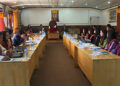
In Chhukha, the challenges and disadvantages of this budget limitation have repeatedly been raised during the Dzongkhag Tshogdu meetings.
Local leaders say that unless the ceiling on funding for cultural and religious preservation is reviewed, communities will continue to struggle to protect centuries-old monasteries and sacred sites.
Kinley Dem, Chhukha
Edited by Phub Gyem