
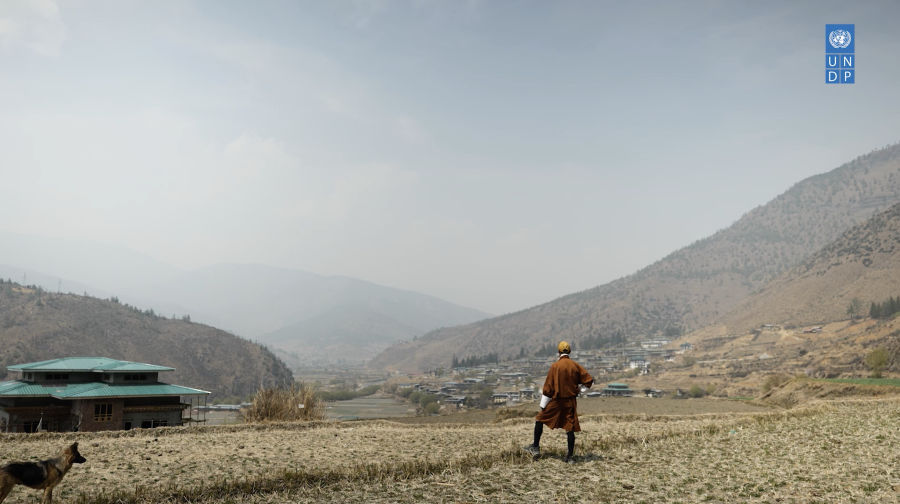
 Bhutan is a global leader in forest conservation, but a new landmark report warns our very way of life is under threat. Climate change is no longer a future risk. It is a USD 169 M annual hit to the Bhutanese economy. The erratic weather is squeezing farmers and the nation’s paycheck.
The fragile mountain environment makes Bhutan one of the most vulnerable countries on earth to climate change.
A new national assessment reveals that erratic weather and land degradation are already taking a massive toll on food production.
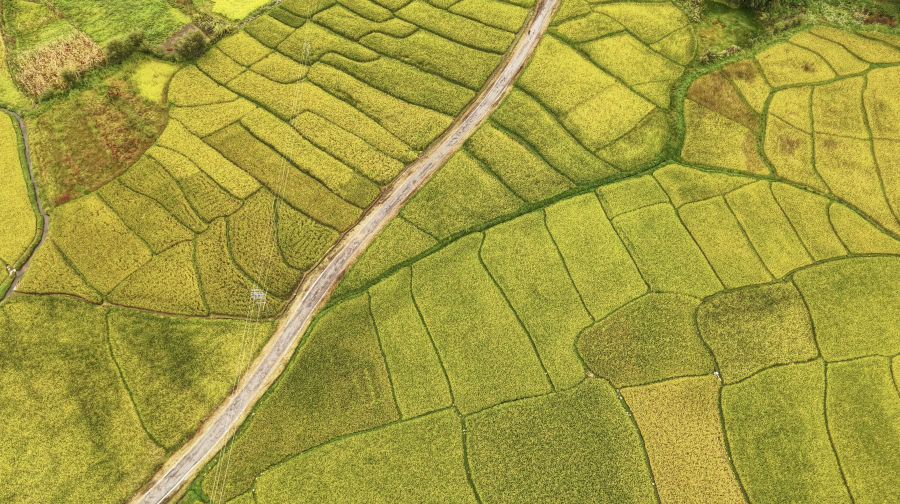
Farmers lose crops worth nearly USD 570,000, affecting over 1,600 acres of farmland every year, which is equivalent to roughly 900 football fields.
The numbers are staggering. Bhutan is already losing an average of over USD 169 M every year to climate disasters. That is nearly seven per cent of the entire GDP.
Water is the biggest challenge.
While Bhutan rely on farming for livelihoods, only 18 per cent of wetland farms have irrigation. Even worse, 61 per cent of dryland farms lack any proper irrigation at all.
With only three per cent of land suitable for crops, every landslide and every flood is a blow to national food security.
The report warns that if these impacts intensify, Bhutan’s GDP could shrink by three per cent by the year 2050. The main impacts would be lower hydropower output, reduced crop yields, and damage to roads and bridges.
To fight back, experts recommend a shift to climate-smart farming, better water management, and modernising early warning systems to protect homes and harvests.
Kelzang Chhophyel
Edited by Tandin Phuntsho