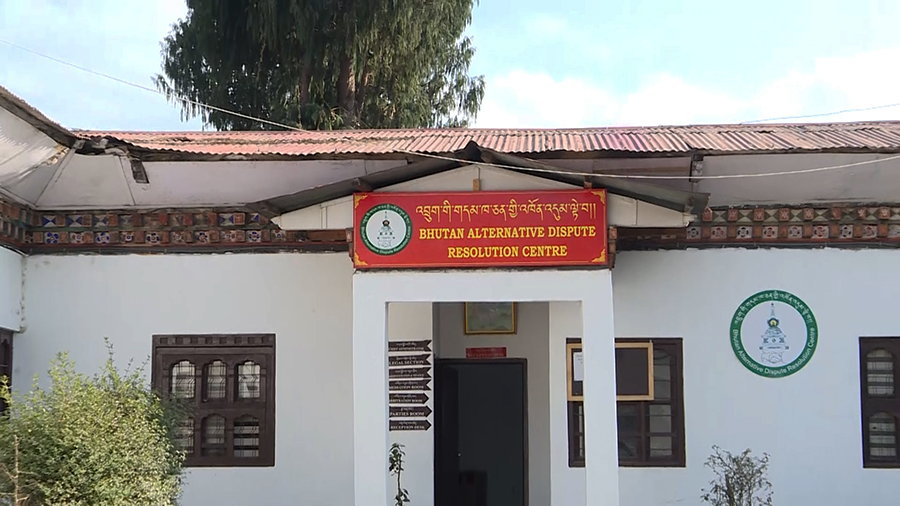
 For the first time since its establishment, the Bhutan Alternative Dispute Resolution Centre is handling an international arbitration case, marking a significant milestone for the institution. Since its launch in 2018, the Centre has handled more than 300 cases involving over Nu 6.1bn, establishing itself as an important venue for resolving disputes.
Most cases handled by the centre involve construction and procurement disputes, mainly related to public contracts.
Disputes concern payment delays, delay in completion of projects and liquidated damages, wrongful terminations, payment upon termination, price escalation and price adjustments and final bill settlement disputes among others.
Now the centre also deals with private contract cases such as the sale and purchase of goods and services, rental and monetary disputes, and partnership agreements.
In November last year, the centre recorded its first case involving a foreign company. However, details of the cases have not been disclosed as the matter remains subjudice.
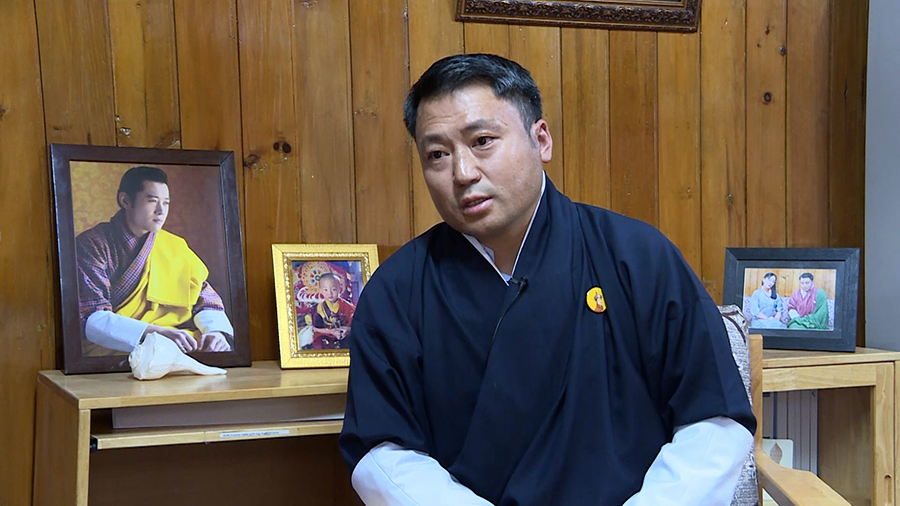
Tenzin, Chief Administrator of Bhutan Alternative Dispute Resolution Centre said, “When the ADR Act was enacted in 2013, it was basically to encourage foreign direct investment. And the registration of first international case is a positive sign that we will be able to achieve the noble vision of ADR act at some point of time.”
The Alternative Dispute Resolution Act of Bhutan does not permit the centre to arbitrate criminal cases, matrimonial disputes, guardianship matters, financial and debt-related cases, or issues relating to inheritance and taxation, among others.
With a growing number of clients, the Centre plans to launch an E-Arbitration system by June this year. The platform will deliver services online, reducing time and costs for parties while enhancing accessibility.
Tenzin, Chief Administrator of Bhutan Alternative Dispute Resolution Centre said, “We have only one centre in Bhutan; therefore, most parties currently come to the centre for registration and hearings. With the introduction of the e-arbitration system, parties will be able to file their notices of arbitration and submissions online, and the parties, the centre, and the tribunal will be able to interact virtually.”
In arbitration, they select the arbitrators, while in mediation or negotiation, they actively participate in resolving the dispute offering a flexible and participatory process unlike courts.
The Bhutan Alternative Dispute Resolution Centre offers arbitration, where parties have the freedom to select their arbitrators, who hear the case and resolve the dispute.
The centre has a registered panel of arbitrators, largely comprising engineers, followed by legal professionals.
Section 62 of the ADR Act states “the parties may appoint arbitrators from the list of arbitrators maintained by the centre or any other arbitrator if the party’s choice. Technically, a party may appoint any person of their choice subject to centre’s confirmation to ensure quality compliance. However, it is highly encouraged to nominate arbitrators from the list of arbitrators because they are enlisted by the centre after providing certification trainings and accredited arbitrators.”
He explained that the turnaround time for resolution of the disputes depends on the nature of the dispute, complexity and gravity of dispute and the willingness and cooperation of the parties.
The turnaround time varies from one month to eight months. The average turnaround time for a dispute is five to six months.
Chief Administrator Tenzin said, “The centre is essentially here to help parties resolve their disputes, to facilitate the process, and to maintain social harmony and relationships. People can choose ADR here as an alternative to court litigation.”
After the final resolution, they provide arbitral award or settlement agreement which is similar to judgment in court cases.
The grounds for appeal are limited for arbitral awards while settlement agreements reached through negotiation cannot be appealed in court, as both parties have mutually agreed to the terms, leaving no room for further challenges.
22 appeals from the centre were filed with the High Court in 2024, followed by 18 appeals last year.
ADRC was established to provide institutional alternative dispute resolution services. It was established with the intent to provide specialised dispute resolution services alternative to conventional judicial litigation, offsetting caseloads from the Judiciary.
Furthermore, the centre was established to enhance a robust ADR system in the country which will eventually attracts foreign direct investments and more economic development activities.
Kinzang Lhadon