
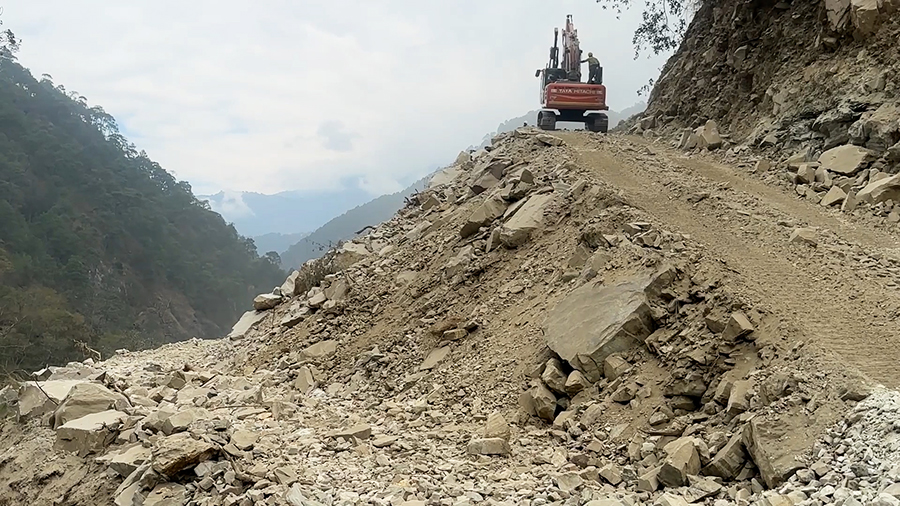
 Around this time of year, many people travel for holidays and pilgrimages, making road conditions a top priority. For those travelling to and from Lhuentse, the journey has become not only arduous but also risky. Following the complete closure of the secondary highway at Gangola and Autsho, commuters are now forced to take a detour through Tsakaling Gewog. However, the gewog road is in poor condition, raising safety concerns among travellers.
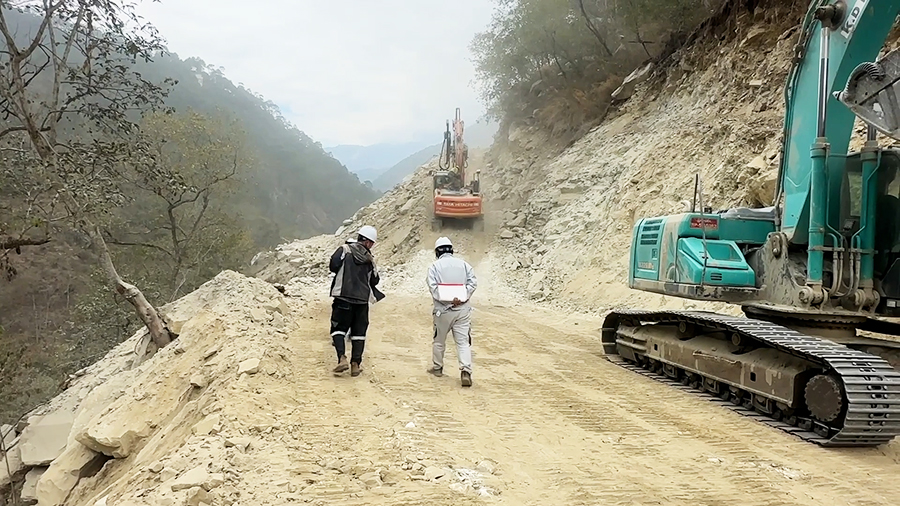 The 30-kilometre stretch of road between Gangola and Autsho is currently undergoing major maintenance works. Initial cutting works are almost complete, while permanent structures such as culverts and drainage systems are being installed. In several sections, contractors have already begun laying the base course.
However, the Department of Surface Transport closed the road entirely to allow extensive rock cutting at Dorjilung.
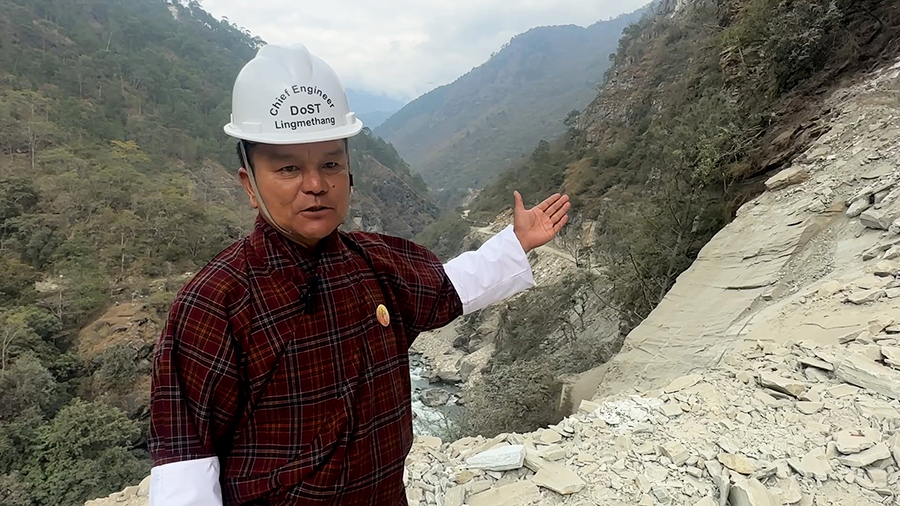
“I am standing about 20 metres above the existing road. Earlier, there was a narrow bridge across this gorge. It was built because the base of the cliff was not secure. We are now cutting through a rocky surface stretching nearly 100 metres to level it with the existing road. Once this work is complete, we will reopen the road to traffic as usual,” said Kinzang Dorji, the chief engineer with Lingmethang Regional Office, Department of Surface Transport.
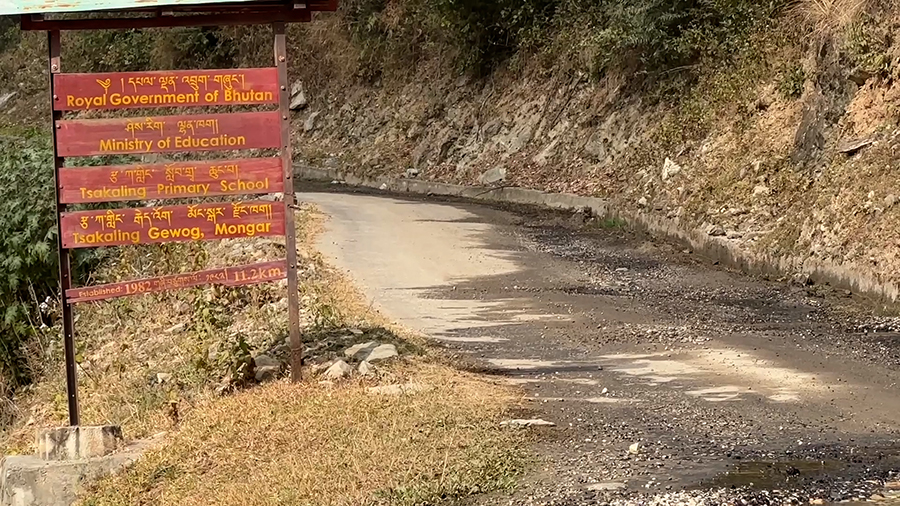 For residents of Lhuentse, the closure means travelling an additional 40 kilometres via the Tsakaling road to reach Autsho town.
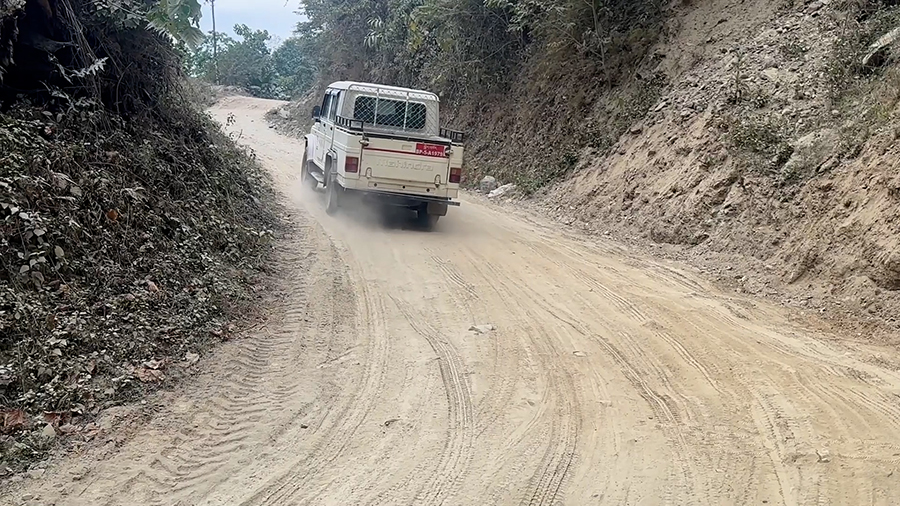 Many commuters say the detour is not only time-consuming but also dangerous due to steep and uneven sections. Some residents feel the department should have improved the road before closing the highway.
Several commuters have also expressed their frustration on social media, highlighting the inconvenience faced along the detour route.
“Previously, the entire journey required fuel worth about Nu 2,000. Now, travelling via the detour costs more than Nu 5,000 in fuel. Earlier, we reached Lhuentse by around 4.30 to 5.00 in the evening, but now we reach Autsho only between 5 and 6 PM. These days, we start as early as 4.30 in the morning to pass through the Gangola block before 10 AM. We have to rush,” said Migmar Dorji, a bus operator in Lhuentse.
Ugyen Wangchuk, a commuter said, “The gewog road is narrow and uneven, with steep climbs and drops. It is risky. Earlier, we paid 290 ngultrum as bus fare from Lhuentse to Monggar. Today, we were charged Nu 450. I believe the increase is due to the detour, which takes more time and effort.”
Another Commuter Tshering Phuntsho said, “For Boleros, the road is manageable, but it is very dusty. If it rains, the condition will worsen as the road becomes muddy. It already takes more than three hours to reach Autsho from here, and the journey is even longer for smaller vehicles.”
Lingmethang Regional Office has stationed machinery and manpower at the challenging sections of the detour road.
The office says the highway will be opened by next month as contractors are working continuously to speed up the rock-cutting works.
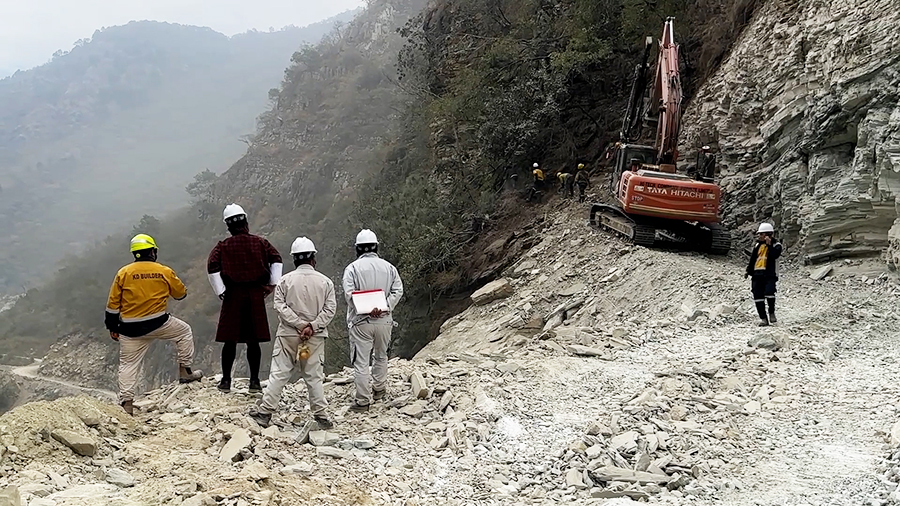 Chief Engineer Kinzang Dorji said, “We understand the frustration. The disruption will not last long. Before imposing the detour, we assessed the road and submitted the plan to the ministry. We spent over Nu 1 M to maintain the farm road from Tsakaling Gewog to Autsho town, laying GSB and base course where required. The road condition has improved significantly.”
The road widening project from Gangola to Autsho is expected to be completed by 2027, while works on the remaining 35-kilometre stretch from Autsho to Lhuentse will begin in the next financial year.
Namgay Wangchuk, Lhuentse
Edited by Sangay Chezom