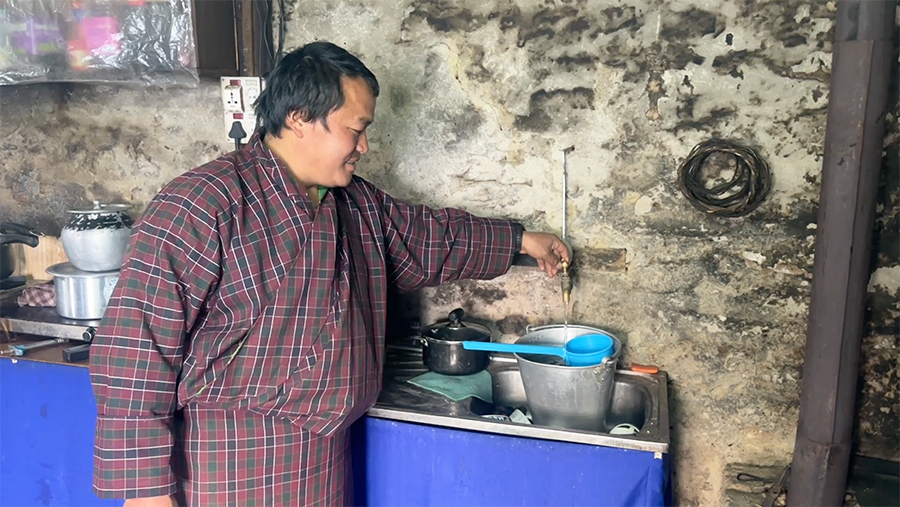
 Many villages across the country are built on hilltops, far from natural water sources. For residents, accessing clean drinking water has long been a daily challenge. In Shajoogla village of Kengkhar Gewog in Monggar, that long-standing problem has now been addressed with a flagship project now pumping water from the valley.
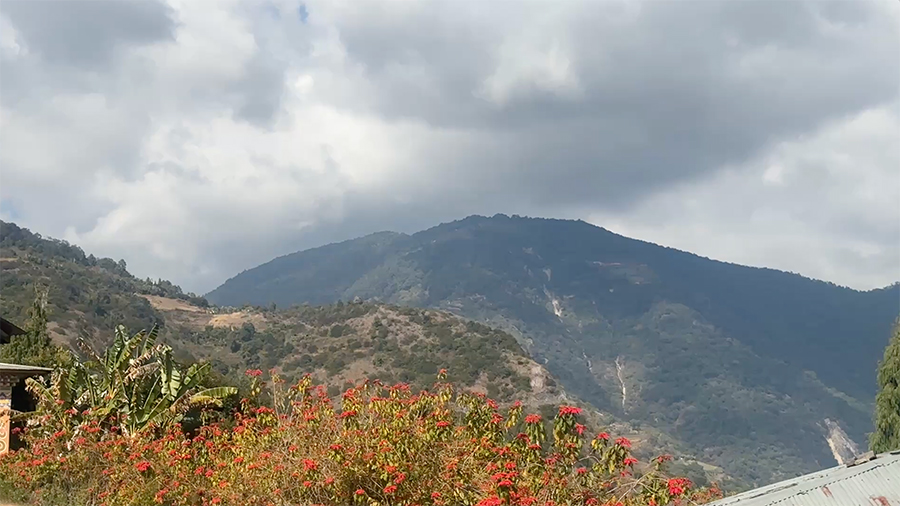 Shajoogla village sits on a hilltop, nearly 10 kilometres uphill from the Kengkhar Gewog office.
The settlement began as a retreat site for lay monks and their spouses. Over time, their families grew into a small community of ten households. For decades, fetching water was a daily struggle.
60-year-old Sherab Zangmo, whose forefathers were among the first settlers, recalls spending hours collecting drinking water from a pond downhill. With no nearby water source, the villagers had no choice.
Sherab Zangmo said, “When I was little, fetching water from a place called Pogola was difficult. There was another source too, but water wasn’t always available. Sometimes we had to rush and even sleep there, waiting for it. We had no containers and had to carry water in bamboo baskets. Even my children struggled.”
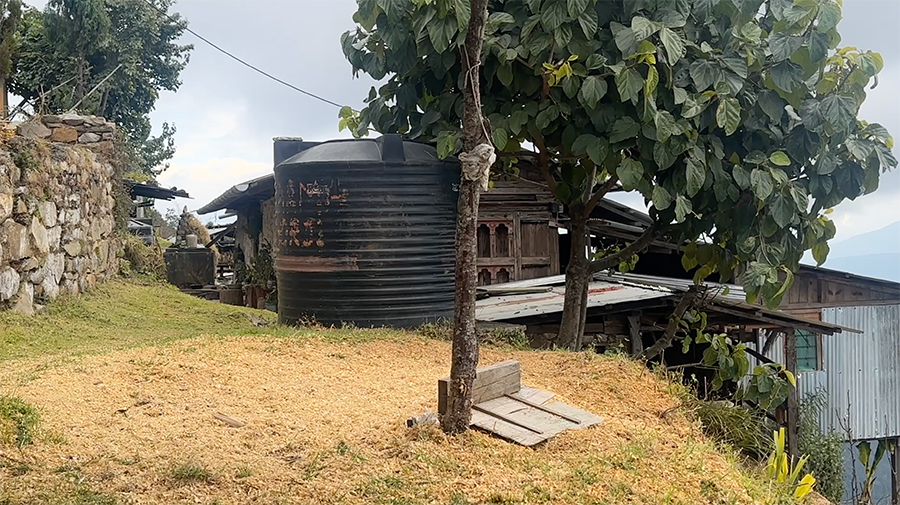 The villagers later tried rainwater harvesting. They stored water in large containers, which helped only slightly.
The construction of a farm road a few years ago eased the hardship. It allowed them to transport water by vehicle.
Jampel Dorji, another resident of Shajoogla said, “I am 40 now, and I clearly remember the water shortage we faced. We used to walk for over two hours to Yuldari and carry water back on our backs. After the farm road was built, we fetched water using Bolero pick-up trucks for four to five years, spending up to Nu 9,000 a year.”
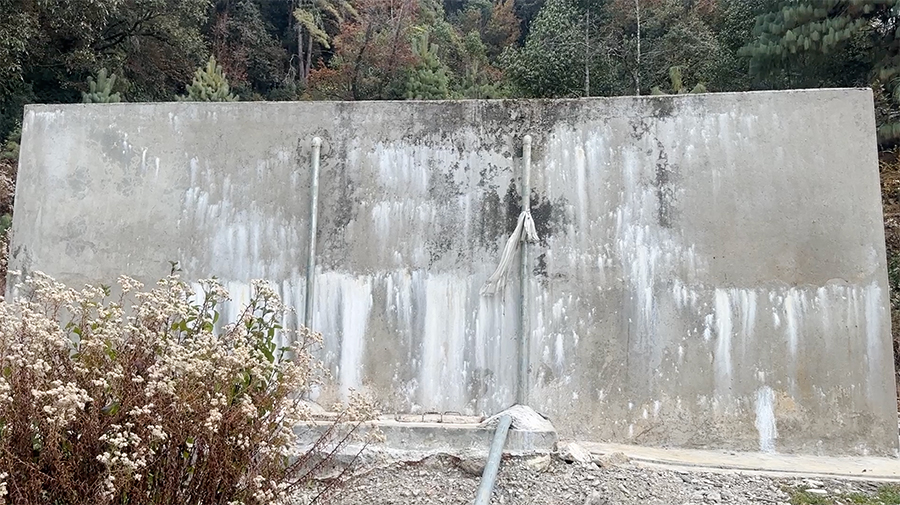 Today, the situation has changed. The Ministry of Infrastructure and Transport has constructed a large reservoir above the village. Water is pumped from the valley through a series of pumping stations.
The system supplies water to Shajoogla and more than 42 households in Tongla-Zithibi and Kidapari-Yuldari chiwogs. The water flagship project cost nearly 40 million ngultrum. Authorities handed it over to the community at the end of last year.
Jampel Dorji said, “We used to store water from washing vegetables and reuse it for toilets. Now, with reliable pumps and tanks, life has improved. I can even use the water for my kitchen garden and grow vegetables.”
“There are seven pump houses, each with a reservoir tank. It takes over half an hour to fill a tank, and from each stage, we pump the water to the next station at a higher elevation. We repeat this process manually until the water reaches the final reservoir. We have a committee member doing it. From there, it is distributed to Tongla, Kidapari, and Yuldari villages,” said Yoesel Dorji, a resident of Shajoogla.
Despite the relief, residents worry about sustainability. With climate change becoming more visible, they fear the water source at Sungkha-ri could dry up. They also worry about damage to the pumps.
The gewog office continues to search for alternative water sources. It is also exploring ways to restore dried-up springs.
Kengkhar Gup Pema Chedup said, “For now, we have addressed the water issues in most chiwogs using pump technology. But we cannot rely on it entirely, so we are looking for long-term solutions. We are working closely with relevant offices to develop catchment areas and revive old water sources.”
The gewog office has also appealed to concerned agencies to waive electricity charges for running the pumps. The monthly bill comes to around Nu 9,000.
Officials say it is unfair for these communities to pay for water when people elsewhere get it for free. They are seeking a sustainable funding arrangement to keep the taps running.
Namgay Wangchuk, Monggar
Edited by Sangay Chezom