It might take some time before the residents of Bajo in Wangdue Phodrang get a reliable drinking water supply. A flash flood in October damaged the newly constructed reservoir at the Wakhashong water source, which could delay the timely completion of the drinking water project. The project, worth Nu 158 M, is already seeing slow progress due to budget constraints.
The Wangdue Phodrang District Administration began the water supply project in April this year with a budget of Nu 10 M.
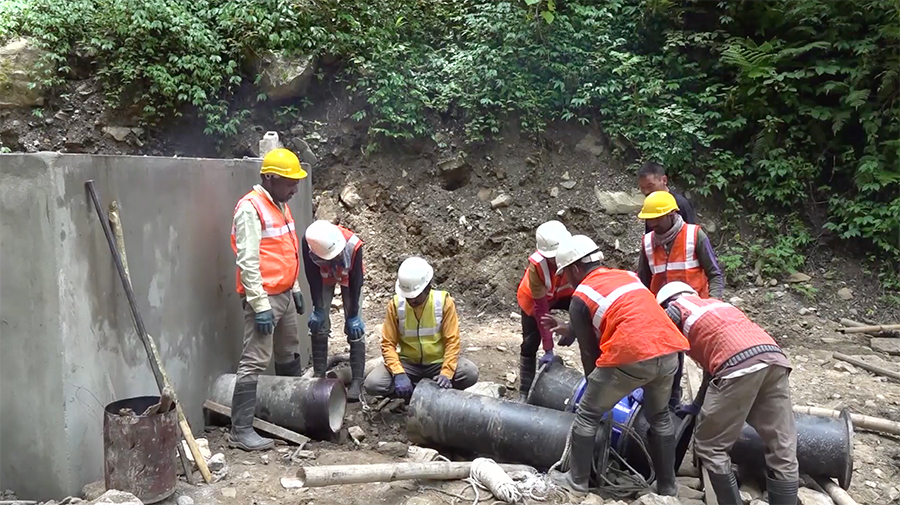 A private construction company constructed the intake reservoir at the source at Wakhashong and laid around one kilometre of water pipes from the source in June.
The water project, initiated in the 12th Five-Year Plan, spans more than 25 kilometres and is being carried out in phases, depending on budget availability.
The first phase worth Nu 10 M was completed and handed over to the district administration.
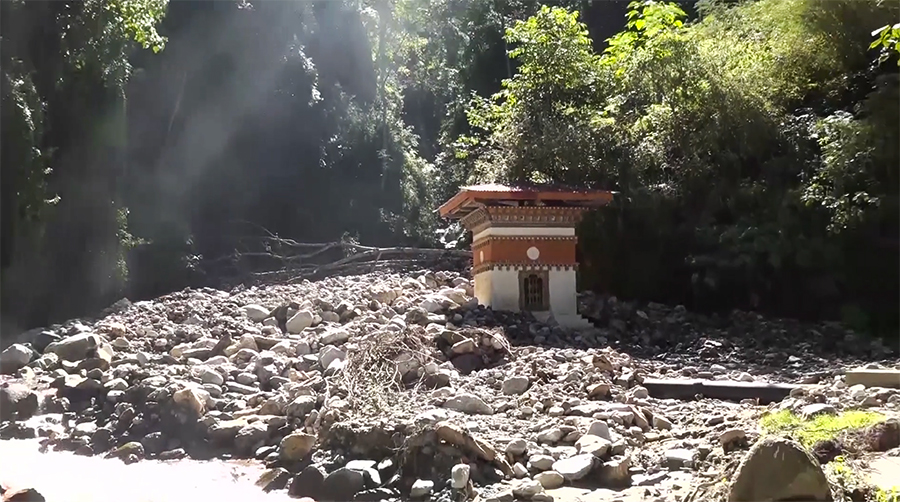 The district has allocated Nu 6 M in the 2025–2026 financial year to lay water pipes. However, before the work could progress, the infrastructure at the water source was completely buried by the flood in October. The district disaster team carried out a damage assessment and submitted the report to the Department of Disaster Management.
 The district administration plans to carry out an assessment at the water source to determine the severity of the damage by excavating the debris at the site. According to a district official, the assessment report will determine whether the source will be repaired or reconstructed at a new location. He added that an additional budget of Nu 300,000 will be required for the assessment work.
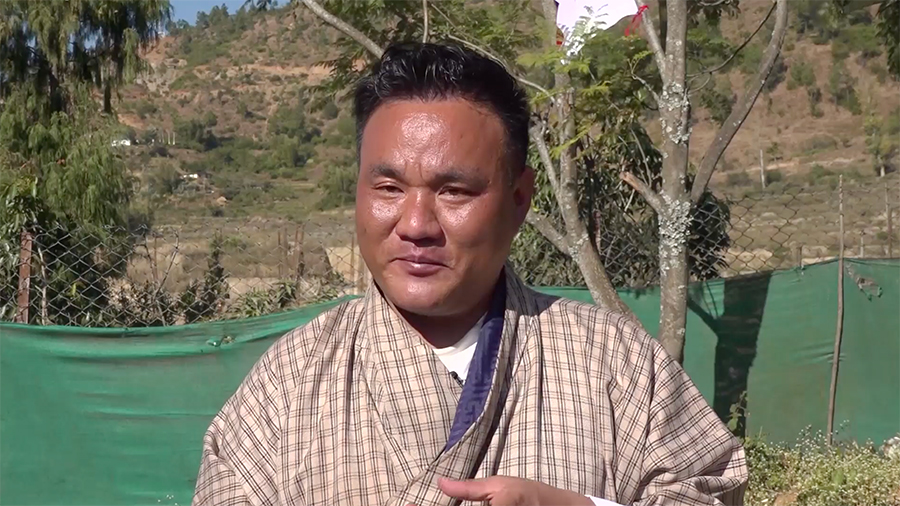
“We will be carrying out the ground examination at the source soon. I completed all the approval procedures before I left for Paro last time. We only need to hire a machine now. We expect to take only three days for the examination work,” said Rinzin Wangchuk, the district’s planning officer.
According to the Planning Officer, the water supply project can be completed within one to two years if not for the budget shortage.
Nevertheless, he says, the project will be completed towards the end of the current Five-Year Plan, adding that the source damage will not have much impact on the project’s progress.
Rinzin Wangchuk said, “If we have sufficient budget, the water source issue will not significantly affect the overall project progress. The work might be delayed by only one to two months, and it will not be prolonged if we receive the proposed budget on time. I feel there won’t be much impact, as we can carry out the source-clearing work from the allocated budget of Nu 6 M.”
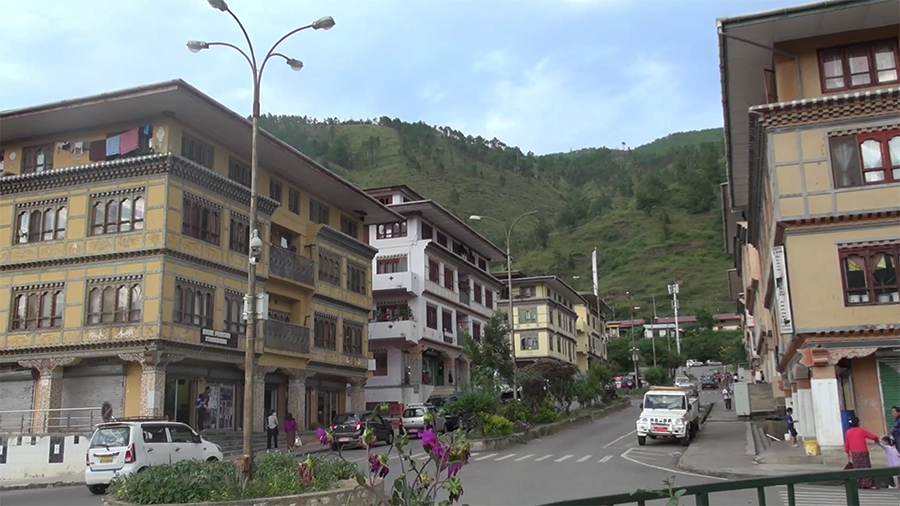
Access to clean drinking water in Bajo town and its surrounding areas has long been a pressing issue.
Following repeated appeals from the residents, the district administration decided to carry out the water supply project with a limited budget, bringing hope to the people.
Until the water project is completed, around 14,000 people, including residents of Bajo town, the Military Training Centre, and the rabdey, will have to continue depending on the current water source from Baychhu stream at Rakhi Zampa.
They have been relying on this stream for more than a decade now.
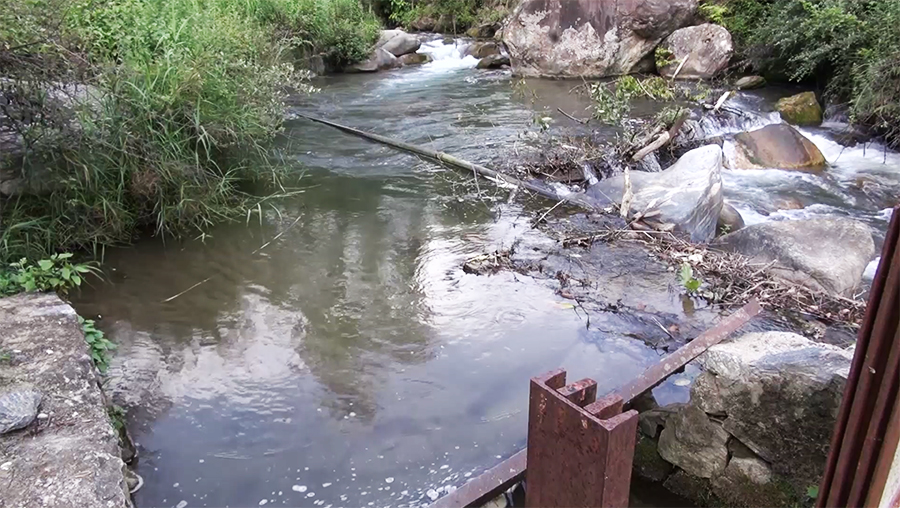 The area above the current water source is densely populated, with irrigation water also flowing into the stream, leading to contamination.
Changa Dorji, Wangdue Phodrang
Edited by Phub Gyem
.