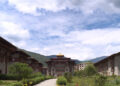
 The Anti-Corruption Commission has uncovered a six-year corruption network within the Paro Dzongkhag Engineering Cell, exposing bribery and manipulation of public construction works. The investigation, which is one of the largest in the construction sector in recent years, identifies 27 individuals across 17 public infrastructure projects, with Nu 13 M the ACC aims to recover.
According to the ACC Annual Report 2024–2025, the scheme was allegedly run by a close circle of engineers and contractors who exchanged bribes, manipulated tender documents, forged records, and influenced contract evaluations to secure projects for favoured firms.
According to the report, the case involves six public officials and 21 private individuals, prompting the suspension of eight construction licences.
The investigation intensified in April when ACC arrested two engineers and conducted simultaneous searches in Paro and Thimphu, seizing mobile phones, official documents, and other materials believed to contain evidence of contract tampering and illicit financial transactions.
Investigators describe the conduct as “systemic corruption,” with engineers allegedly exploiting their authority to influence evaluations, issue forged certificates, and use official information for personal benefit. It also revealed that contractors reportedly offered payments or favours in return. This, the report says, likely contributed to inflated project costs, poor workmanship, and fewer opportunities for other contractors.
The findings carry serious implications for public infrastructure in Paro, where, the reports says communities have long raised concerns about construction delays and quality.
Paro recorded 33 corruption complaints last in 2024, second only to Thimphu, and had the highest number of cases qualifying for ACC investigation nationwide.
The case has now been forwarded to the Office of the Attorney General, with possible charges including bribery, abuse of function, forgery, and trading in influence.
Karma Samten Wangda, Paro