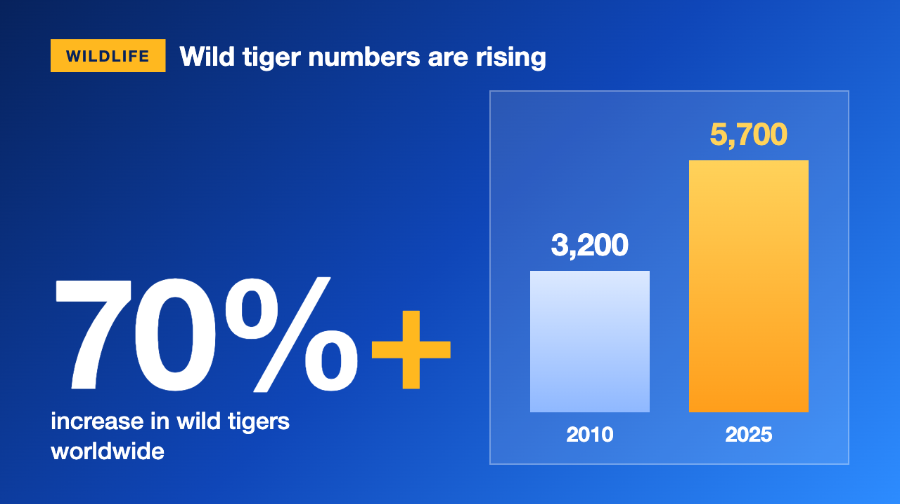
 The global wild tiger population has increased by more than 70 per cent over the past 15 years, rising from around 3,200 in 2010 to an estimated 5,700 in 2025. Bhutan is also seeing signs of recovery, with its tiger population increasing from 103 in 2015 to an estimated 131 in 2022.
According to the Living Planet Report 2026, published by the World Wide Fund for Nature (WWF), the global increase marks the first documented reversal of the species’ long-term decline.
The recovery is attributed to sustained conservation efforts, including the expansion of protected areas, stronger anti-poaching measures, improved ranger patrols and international cooperation.
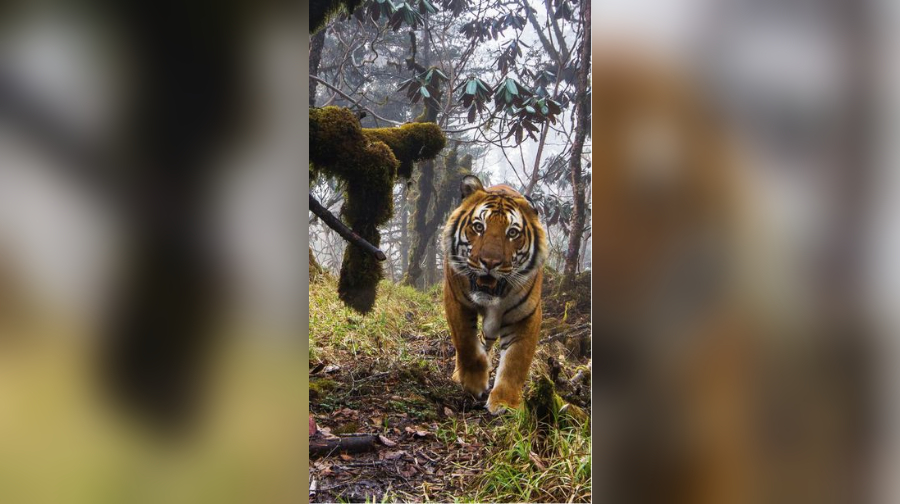 WWF Programme Specialist Tandin said Bhutan’s tiger population has also increased, with camera-trap surveys recording tigers in areas where they had not previously been scientifically documented.
“So, from the 2015 baseline of 103 tigers, today we have 131 tigers estimated during the 2022 survey. So, this is very much in line with the global trend. And also, through a lot of camera trapping, both in national tiger survey as well as other biodiversity assessments, we have seen and we have recorded tigers in other areas where they have never been scientifically recorded,” he said.
However, conservation gains could be undermined by infrastructure development and the expansion of human settlements, which could fragment wildlife habitats and disrupt tiger movement corridors.
Tandin said poorly planned development could also increase human-tiger conflict, particularly in areas with high tiger populations.
“There are risks of habitat fragmentation and loss in the future if those infrastructure developments are not done well in considering the movement corridors of the tigers and other wildlife. The other challenges we can have includes the incidences of human-tiger conflict in the areas where we have high tiger densities. So, this would erode the level of tolerance which people have for tigers and could potentially lead to retaliatory killing of tigers,” he said.
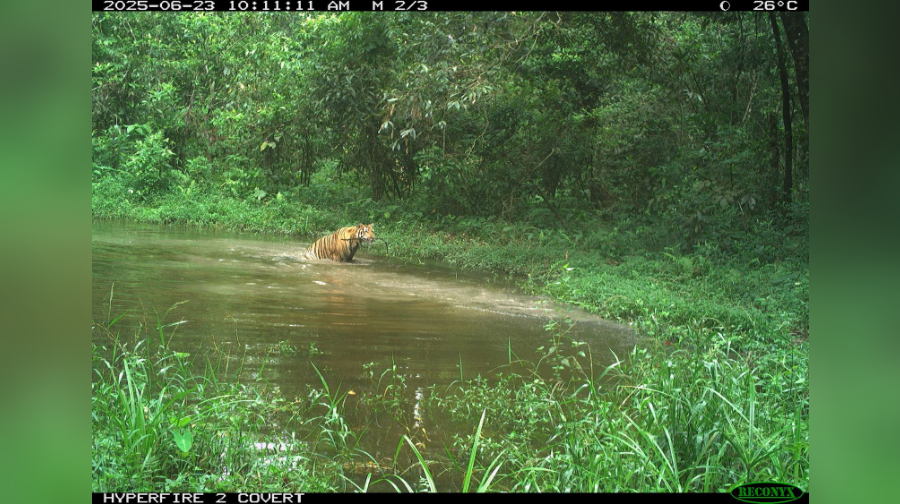 To sustain the recovery, WWF says communities living near tiger habitats need better support, including compensation for losses caused by wildlife and long-term livelihood opportunities.
“Like providing compensation and relief mechanisms. But beyond that, I think we also need to invest in terms of providing long-term livelihood to the communities, ensuring that tiger habitats and tiger prey are well protected so that we reduce the incidences of livestock depredation by tigers,” Tandin said.
Conservation efforts are also being strengthened across borders through the Greater Himalayan Transboundary Conservation Landscape, an initiative involving Bhutan, Nepal and India.
WWF-Nepal Country Director Ghana Shyam Gurung said the initiative connects 21 protected area systems across more than 10 million hectares of forest landscapes. He said the three countries have made progress in conserving species such as snow leopards and tigers, and are now looking to expand cooperation across the Himalayan region.
WWF-India CEO and Secretary General Ravi Singh said the landscape also reflects the importance of balancing conservation with development.
“Within this conservation landscape are elements of heritage, tradition, culture and conservation traditions, which are not surpassed by any other model anywhere else in the world. Secondly, we would like to ensure there’s a balance of development and conservation, a balance of ecology and economics, and areas that are important to us as nations, as societies, as communities,” he said.
Tigers play an important role in maintaining healthy ecosystems by regulating prey populations and supporting the balance of nature.
The Living Planet Report 2026 also highlights the scale of the wider wildlife crisis, reporting a 73 per cent decline in the average size of monitored wildlife populations over the past five decades.
While the recovery of wild tigers shows that sustained conservation efforts can make a difference, WWF says continued cooperation, habitat protection and support for local communities will be essential to maintain these gains.
Sonam Yuden
Edited by Tandin Phuntsho