
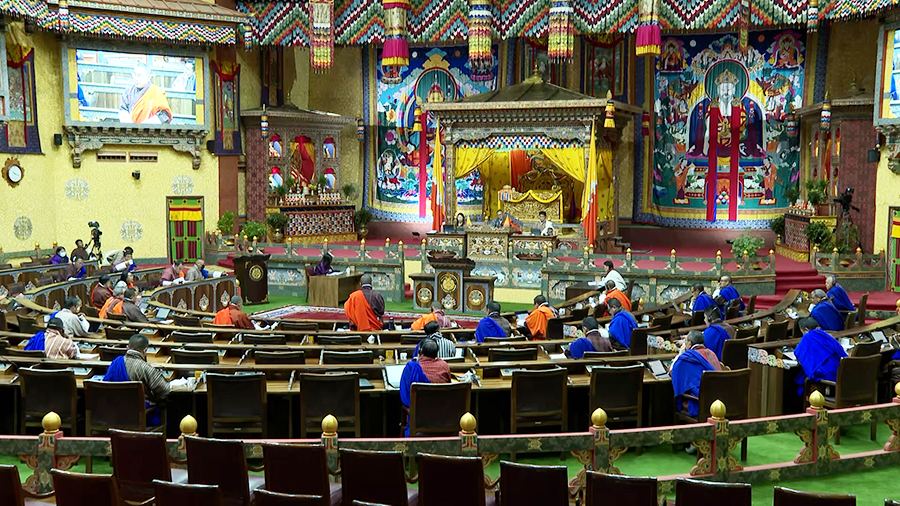
 Members of the National Assembly are divided over a proposed ban on the import and sale of vapes and e-cigarettes. During deliberations on the Tobacco Control (Amendment) Bill of Bhutan 2026 today, members failed to reach a consensus and referred the issue to the Social and Cultural Committee for an internal meeting.
Some members questioned the need for a ban, arguing that other tobacco products considered more harmful remain legal in the country.
Kinzang Wangchuk, MP for Dramedtse Ngatshang, Monggar, said the existing law already provides for the control of tobacco and tobacco-related products. “I support the current law. The previous amended act says ‘to ensure effective control of tobacco and tobacco-related products’, and this covers every other product,” he said.
Industry, Commerce and Employment Minister Namgyal Dorji cautioned that banning the products could encourage illegal trade and create a black market.
“When we ban certain products, it can promote illegal businesses, such as the black market. Despite efforts to restrict imports at the borders, these products continue to enter the country, often at inflated prices. This situation can cause significant stress for consumers,” he said.
Deputy Speaker Sangay Khandu said Bhutan must consider its own circumstances and ensure the regulation of these products is clearly reflected in the Act.
“Regardless of how things are handled in other countries, we must consider the specific situation of our own country. Whether we write it as a vape device or vaporiser, I think it will be better if we ensure that the regulation of these products is properly reflected in the Act,” he said.
Other members also called for further research before introducing a ban.
However, the Social and Cultural Committee, which proposed the amendment, said the move is aimed at protecting public health, particularly among young people, amid growing use of these products.
Kuenga, a member of the Social and Cultural Committee, said flavoured products could attract young people who do not currently use them and expose them to addiction.
“When these products are advertised with different flavours, they can influence young people who are not currently using them and can lead to addiction. Although these are all tobacco products, we aim to reduce their consumption by banning some of these products,” Kuenga said.
Education and Skills Development Minister Yeezang De Thapa raised concerns about the contents of vapes and their potential health effects.
“Vapes contain nicotine, and some vapes include cannabis. While there are non-nicotine options, they often have addictive chemicals that are harmful to the body. Moreover, these products are primarily consumed by the youth,” she said.
Health Minister Tandin Wangchuk said the proposed ban could affect business owners but stressed that reducing tobacco consumption remains the primary objective of the Act.
“This may disappoint business owners. However, the primary goal of the Act is to reduce the number of tobacco consumers in the country, and this ban will help in that effort,” he said.
Following the differing views, the Speaker asked the Social and Cultural Committee to hold an internal meeting to discuss the issue further. The National Assembly will continue deliberations on the Bill tomorrow.
The proposed amendment also seeks to strengthen enforcement, clarify the roles of regulatory agencies, address gaps in product safety standards, increase penalties and strengthen smoke-free rules to protect public health, particularly among young people.
The National Council adopted the Bill during its summer session before forwarding it to the National Assembly for deliberation.
Singye Dema
Edited by Sangay Chezom