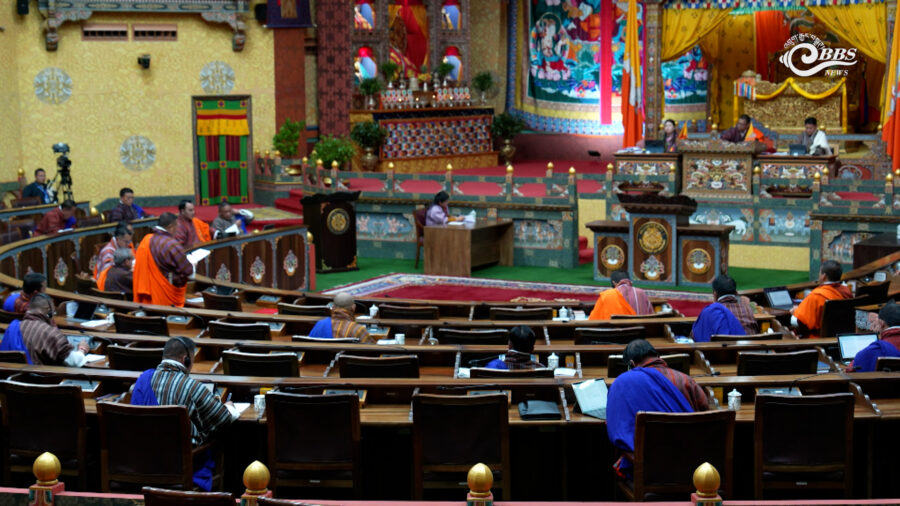
 The country’s highland communities and settlements in the international border areas play strategic roles, from safeguarding the borders to cultural heritage to the environment. But they are also facing various livelihood challenges. Towards addressing these challenges, the Home Affairs Ministry proposed and presented a national programme at the National Assembly. While the members supported the initiative, they also sought clearer answers on cost, timeline, and funding before moving ahead.
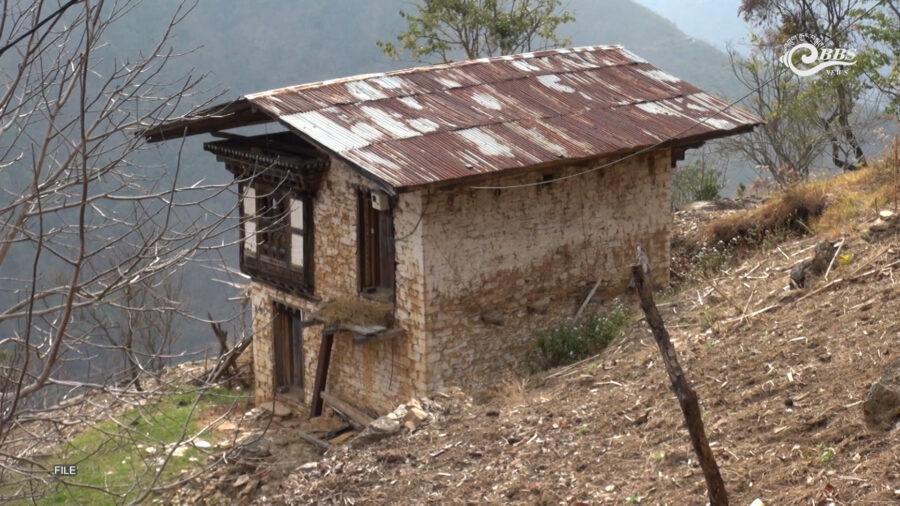 Dhugti, a border village in Yalang Gewog in Trashi Yangtse, has 36 registered households. Twenty-two of them are Gungtong, or abandoned.
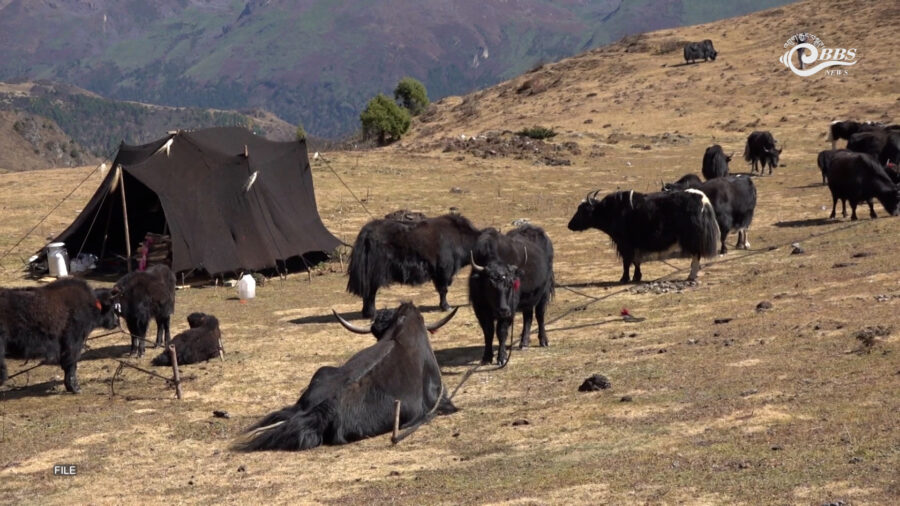 The national yak population declined from more than 38,000 in 2021 to around 24,000 in 2025, a drop of 35 per cent. The number of yak-rearing households also decreased by 32 per cent between 2024 and last year. Grazing lands are becoming limited.
Climate change pressures, lack of infrastructure, and access to services are other realities such communities deal with.
Taking these situations into consideration, the Home Minister introduced the National Border Community Development Programme as an intervention. The House had directed the Home Ministry to study highland and border communities and identify support beyond existing plans.
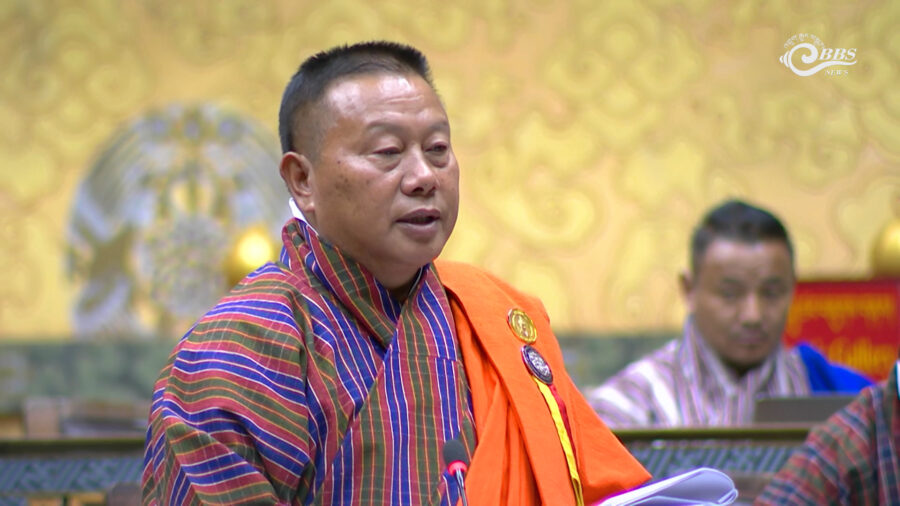
Lungten Dorji, Home Minister, said, “The programme aims to improve the livelihoods of highland communities by strengthening access to healthcare, livestock services, education and emergency support, while ensuring essential services and infrastructure are in place. It also seeks to promote market-oriented products and expand economic opportunities, preserve and promote local culture and traditions, protect grazing lands, water sources and biodiversity, and reduce human-wildlife conflict.”
The national programme is targeting 11 districts, including 25 gewogs in the highland and border areas.
The Home Ministry also recommended establishing a dedicated Highland and Border Community Programme Office under a relevant ministry to oversee, coordinate and support the implementation of the programme. As per the ministry’s report, the support so far has come through fragmented, agency-specific plans.
While the members supported the recommendation, they raised concerns over the plan’s clarity, including its implementation, strategic timeline, and budget.
“The recommendation is to establish a new office, recruiting experts for the office. However, since we already have the Department of Local Governance, why not strengthen the existing department by adding more staff and experts instead of creating a new office?” said Rinchen Wangdi, Bartsam-Shongphu MP.
Radhi-Sagteng MP Tashi Tenzin said, “Budget is one of the long-term solutions. However, to ensure consistent funding, don’t we need a proper Act in place? Has the Ministry considered this? I would like to recommend establishing a legal framework through an Act to ensure that people in the highlands continue to receive consistent support, regardless of changes in government.”
“We need to make sure that the policy and the plans do not remain as policy only. If need be, the ministry needs to do thorough research on the needs, with a budget to be allocated accordingly, and make sure that the programmes and plans have evident results within a span of one to two years,” said Tshewang Rinzin, South Thimphu MP.
“The programme design is phased, with short-term, mid-term and long-term plans. I would urge the government to work on the short-term plan immediately and not the mid- and long-term plans. I feel the most important need is to have a road. We need to work on the inconvenience caused by the policy, make it convenient and resolve it,” added Opposition Leader Pema Chewang.
Home Minister Lungten Dorji said the Home Ministry will work on finalising the implementation plan following the discussion.
“We believe the government needs to support people, particularly those living in border areas. We are working on this and would like to request some time. After today’s agreement, we will discuss with the Cabinet and local governments to understand what is needed. Then, we will see how much we can do in this Five-Year Plan and the next Five-Year Plan. We will also present it to the House in writing.”
The ministry’s next steps are consultations with communities and the local government, need-assessment field visits, an overall cost estimate, identifying potential funding sources and establishing a dedicated programme office by 2027.
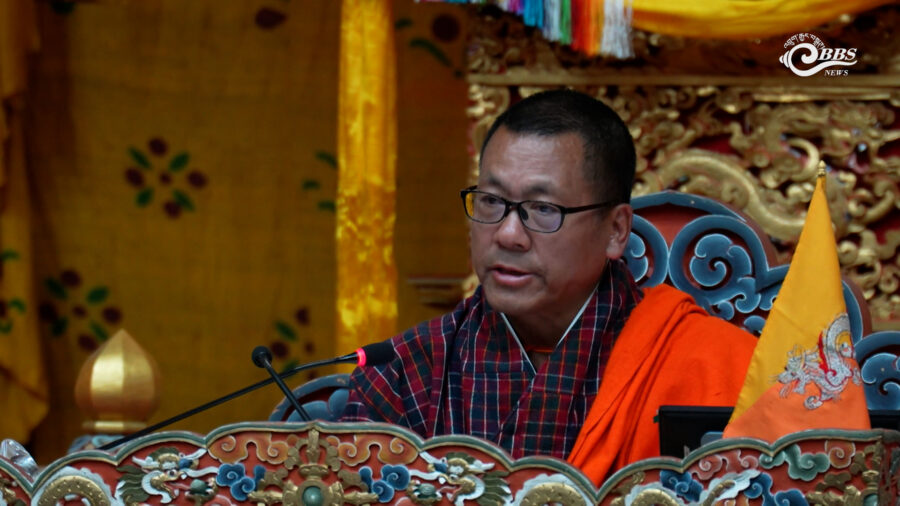 The House directed it to present a detailed Action Taken Report in the next session.
Sonam Yuden & Namgay Wangdi
Edited by Sonam Wangdi