
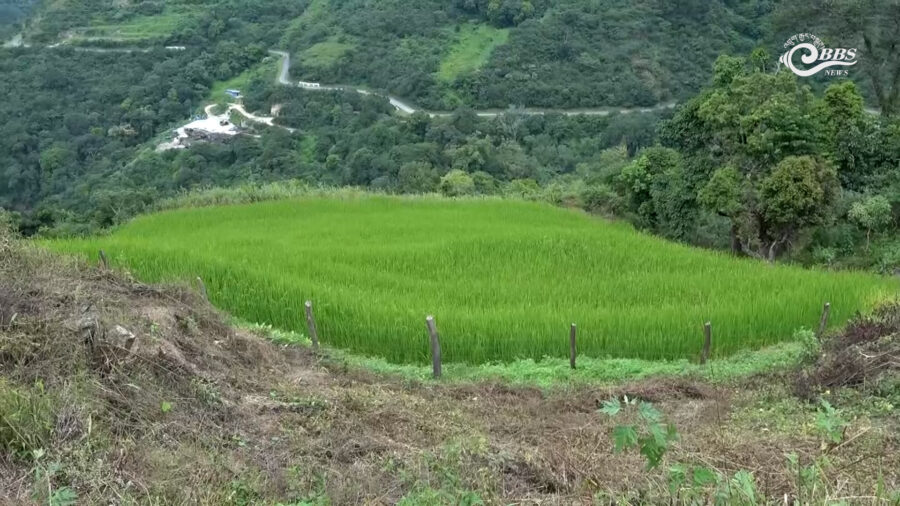
 Farmers in Koshala village of Langthil Gewog, Trongsa, have resumed paddy cultivation after leaving their fields unused for almost ten years due to a shortage of irrigation water.
A newly constructed irrigation channel has restored water supply to the fields, allowing farmers to return to rice farming after years of depending on imported rice.
Although the channel was completed before this year’s paddy cultivation season, uncertainty over the completion of the work meant many landowners did not prepare their paddy seedlings in time. However, some farmers decided to take the risk and began cultivation.
“Initially, we were unsure whether the water supply would be reliable and whether the government would take over the work. But after discussions, we decided to take the risk. We managed to source seeds from others and went ahead with the plantation this year,” says Ugyen Tshomo, a resident of Koshala.
“When we had a reliable water supply, we never had to buy imported rice. We were self-sufficient back then. However, when our water source dried up, we became entirely dependent on imported rice,” says Ugyen, another resident of Koshala.
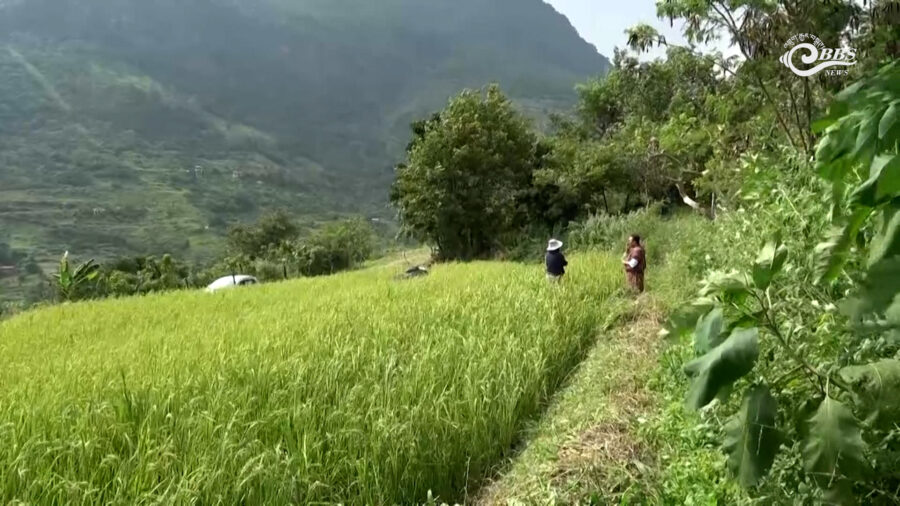 This year, farmers have cultivated more than 20 acres of paddy fields. The Gewog Agriculture Extension Office expects the cultivated area to increase next year.
Some landowners are from Bumthang, and it remains unclear whether they will resume cultivation.
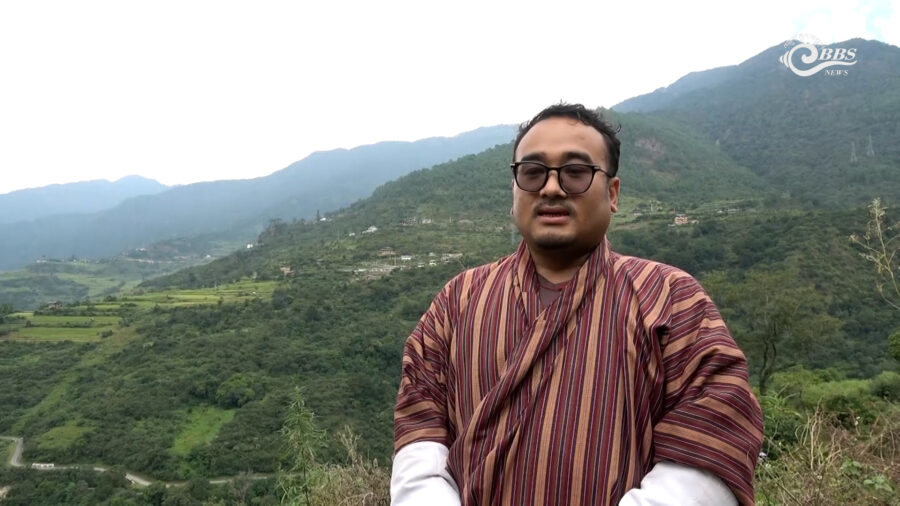
“The irrigation channel was completed quite late this year, leaving some farmers unable to cultivate their paddy fields. Water reached their fields unexpectedly, giving them little time to prepare the land, as they still needed to cut down trees and clear bushes. However, most of them have agreed to begin cultivation next year,” says Hemlal Phulami, Gewog Agriculture Extension Officer of Langthil.
The Indian government funded the construction of the 6.4-kilometre irrigation channel at a cost of more than Nu 18 million.
The channel is expected to benefit around 40 households, providing irrigation water to nearly 100 acres of paddy fields and orchards. Farmers can also use the water to grow other crops, particularly during the dry season.
For farmers in Koshala, the restored water supply has brought back the opportunity to grow their own rice and improve their farming livelihoods.
Thinley Dorji
Edited by Tandin Phuntsho