
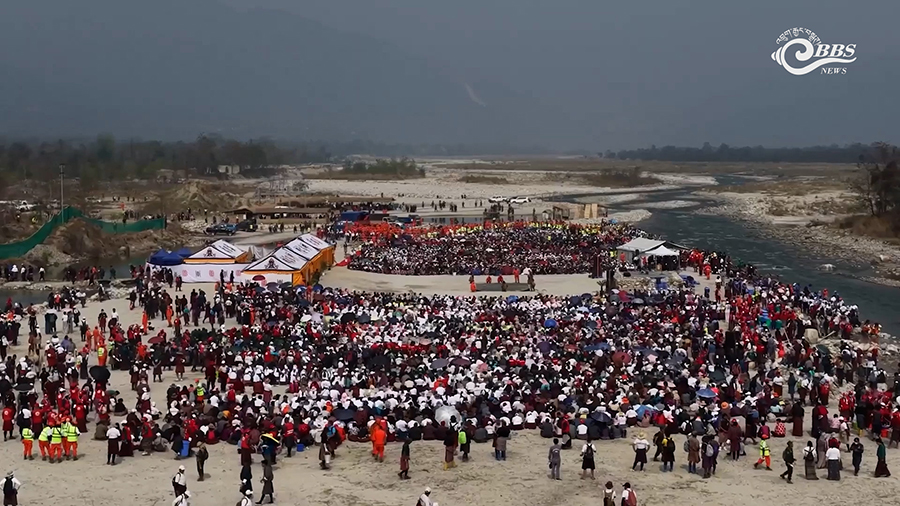
Thousands of people are expected in Gelephu for the raising of the 108 Jangchub Chorten. But hosting a gathering of this scale brings a major challenge: ensuring there is enough clean water, adequate sanitation and an effective waste collection system. Authorities are preparing thousands of toilets and mobilising water tankers to meet the demand. Passang Dorji reports on the preparations, and the challenge of keeping the city clean.
When thousands gather for a spiritual celebration, some of the biggest challenges are not part of the ceremony. They are the everyday essentials: clean water, usable toilets and somewhere for the waste to go.
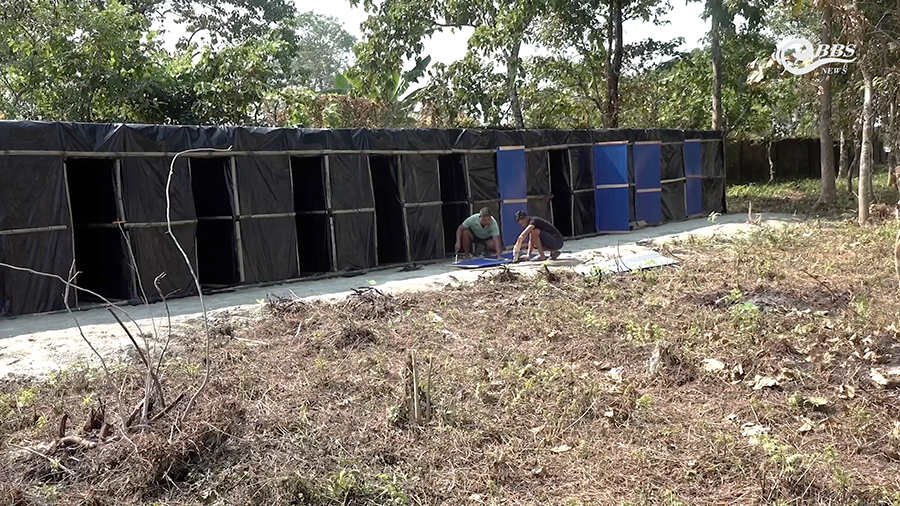 For the raising of the 108 Jangchub Chorten, Gelephu is preparing sanitation facilities on a scale Bhutan has never attempted before. Around 5,000 toilets and urinals are being built at strategic locations, alongside handwashing and filtered drinking water facilities.
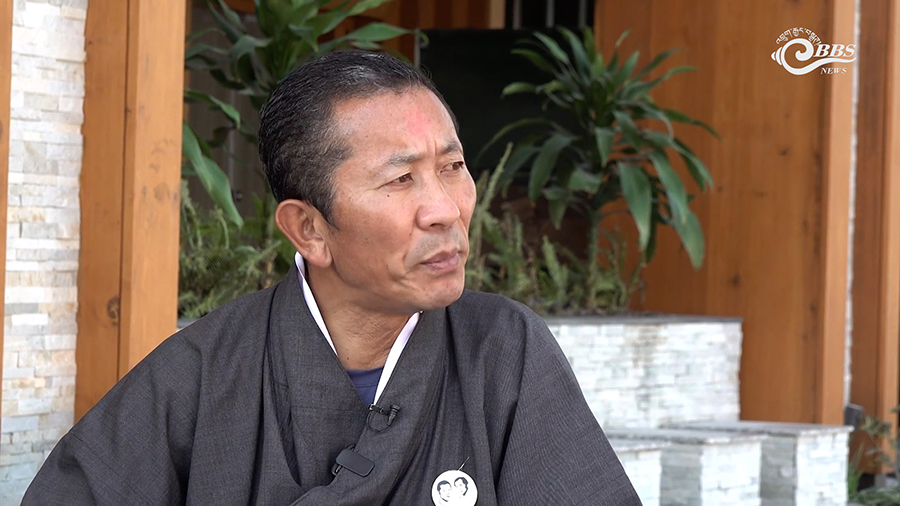
“We have adequate measures in place, from collecting waste from public areas where people are seated during events to providing multiple colour-coded waste bins. Where formal bins are not possible, colour-coded plastic bags with appropriate wraps will be available across town, gewogs and event sites,” said Dasho Dr Lotay Tshering, Governor, GMC.
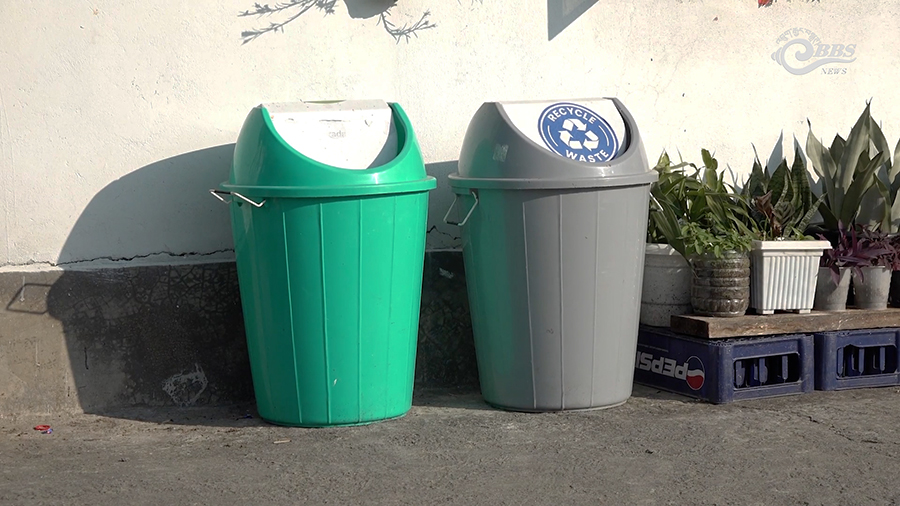 Colour-coded bins and bags are intended to make disposal easier, even in places without permanent bins. But the real test will be keeping waste moving as crowds build and ensuring rubbish does not pile up across the city.
Water supply is another major concern. Gelephu will draw on three sources: the Phulari Water Treatment Plant, the Mao River and a deep borewell. The Governor says the combined supply can meet demand far beyond the city’s current population.
“We have three dedicated water sources. One from a deep bore well, Mao River, and the biggest one from the Phulari Water Treatment Plant. The water plant alone can cater to roughly about 65,000 population. The current Gelephu throm population is 9,000. With water added from a deep borewell and the Mai River, we can easily cater to about 150,000 to 200,000 population,” added Dasho Dr Lotay Tshering, Governor, GMC.
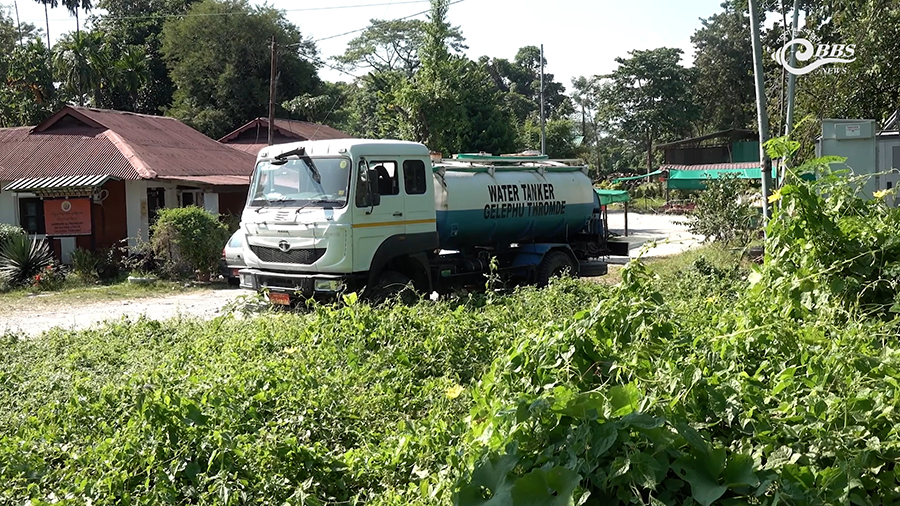 To strengthen the supply, around 40 water tankers have been mobilised from across the country. They are expected to deliver water around the clock to homes, hotels, restaurants, tent camps and residential areas.
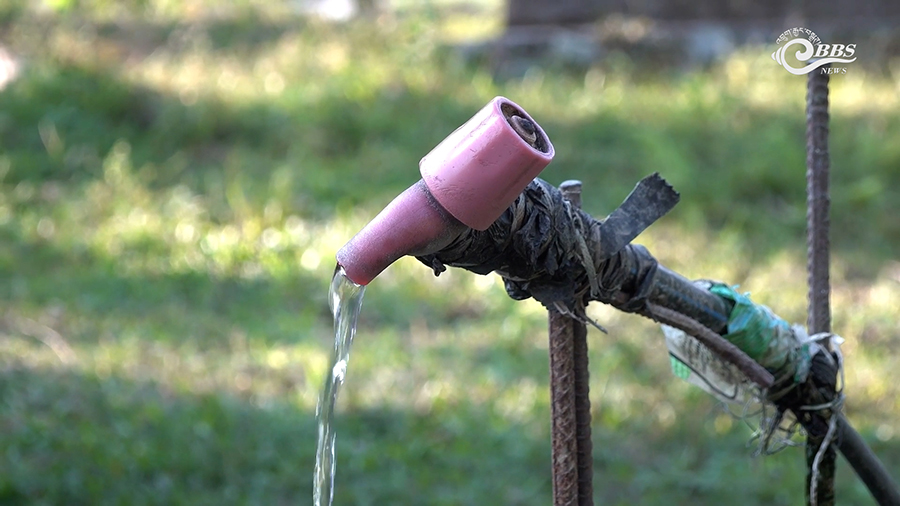 Designated drinking water points will give visitors access to filtered water. Households are also being asked to keep their water tanks accessible, so tankers can refill them when needed.
5,000 toilets and urinals. Around 40 water tankers. And a city preparing for an extraordinary influx of visitors. But the real test begins when the crowds arrive, when every tap, every toilet and every waste collection point comes under pressure.
For Gelephu, the challenge is not just to host thousands of people, but to ensure the city can care for them throughout the gathering.
Passang Dorji/Karma Wangdi, Gelephu