
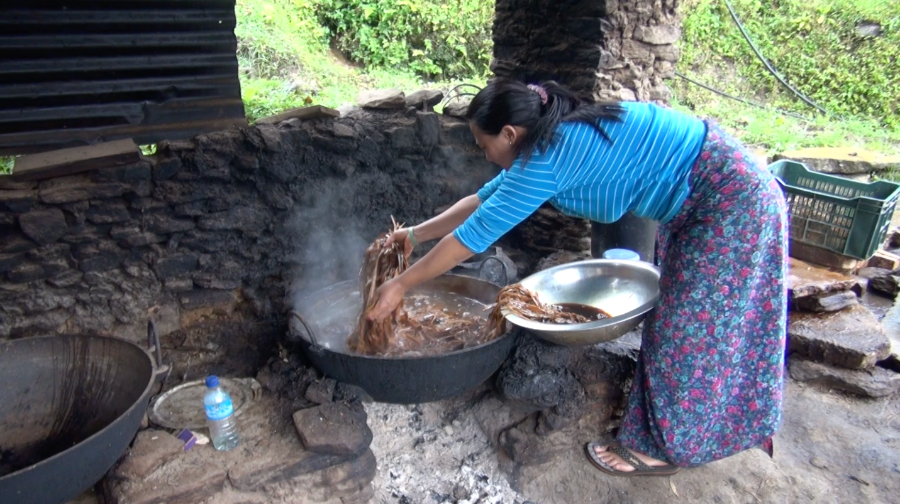
 For generations, desho paper-making has been a source of livelihood for several households in Tashi Yangtse. However, with raw materials becoming scarce in the locality, makers are worried about the sustainability of the traditional business. Today, around 15 households in the district depend on desho paper-making for their livelihood.
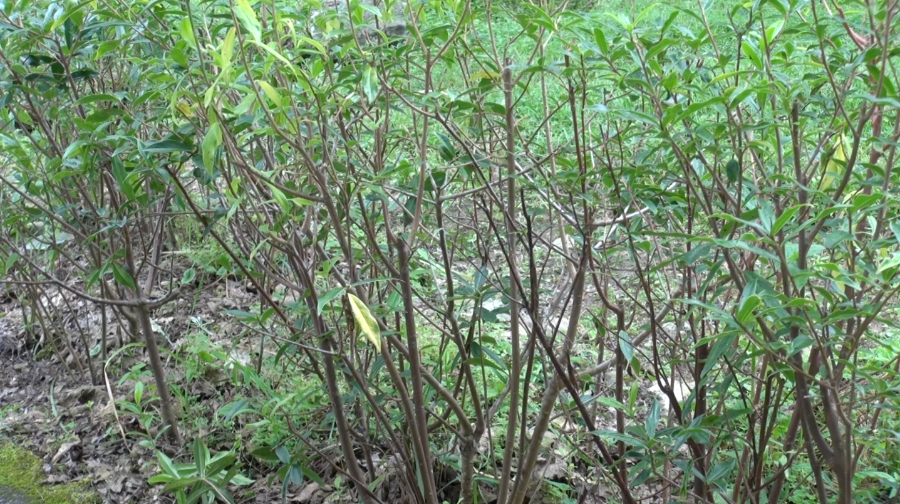 Daphne is the raw material used to make desho paper. It takes at least six to seven years for the plant to mature before its bark can be harvested.
After harvesting, the bark is stripped of its hard outer layer and boiled to soften it. It is then beaten in a machine and processed into fine pulp. The pulp is evenly spread over a bamboo frame to form thin sheets, which are then dried to produce desho paper.
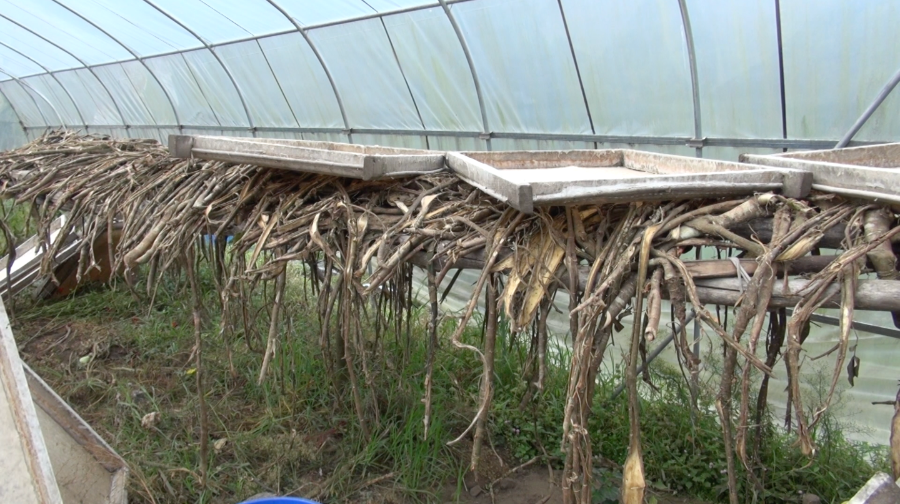 Earlier, locals could collect the raw material from nearby forests. Now they have to walk for hours to extract it, and sometimes they even end up importing it from other districts.
Frequent harvesting and the slow growth of Daphne plants have led to the shortage of raw materials. Although desho paper-making has been passed down through generations, commercial production began only about four years ago.
Yangden, a desho paper maker from Bumdeling, Trashi Yangtse, said, “The paper-making business has been going on since my parents’ time and it has been more than a decade since I began production. Earlier, we did not have to go to districts in search of raw material. In recent years, we have had to travel to Monggar, Trashigang and Lhuentse to collect it. I worry when I think about the future availability of the raw material to sustain the business.”
Dechen Choki from Womanang, Bumdeling, Tashi Yangtse, said, “We have a community forest where we grow Daphne plant. Currently, harvesting is temporarily suspended to let the plant grow. In the meantime, we have been collecting from Monggar, Merak and Rangjung. We are worried as the raw material becomes scarce.”
A few years ago, locals also tried domesticating the Daphne plant by growing it in their community forests to ensure a sustainable supply. However, the plant did not grow as successfully as expected.
Mani Dorji, Bumdeling Gup, Tashi Yangtse, said, “I do not see much potential in growing Daphne saplings for sustainability. This is because previous pilot domestication projects did not work as planned.”
To ensure sustainability, the gewog said most villages have established community forests where people harvest Daphne bark in alternate years. Locals are also encouraged to follow sustainable harvesting practices to ensure the long-term availability of raw materials.
Sonam Darjay, Tashi Yangtse
Edited by Phub Gyem