Bhutan has made progress in reducing childhood stunting over the past decade. However, micronutrient deficiencies and rising rates of overweight among children and adolescents remain concerns. A report by the Ministry of Health and UNICEF calls for coordinated action across the health, education, and agriculture sectors to address the triple burden of malnutrition: undernutrition, micronutrient deficiencies, and overweight and obesity.
Bhutan has made progress in reducing undernutrition. However, as children’s diets change and unhealthy food becomes more accessible, new challenges are emerging that could affect their health and well-being.
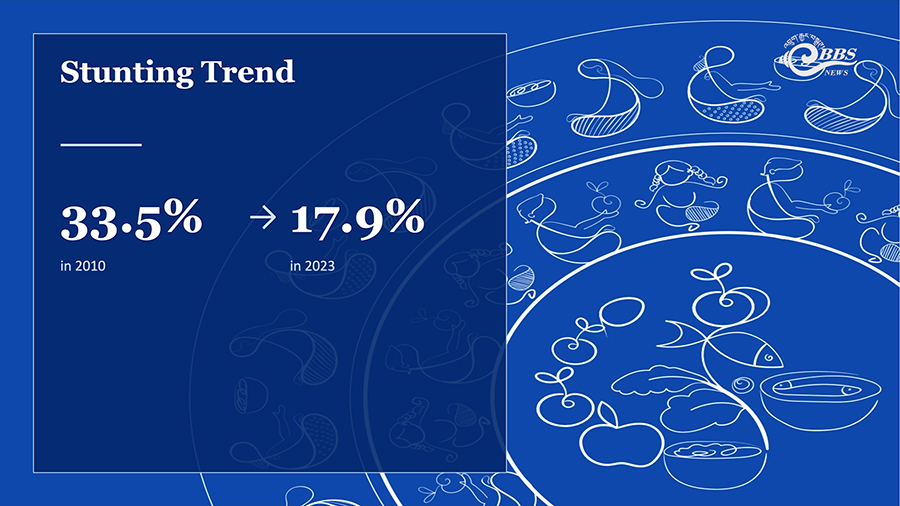 Stunting among children under five fell from 33.5 per cent in 2010 to 17.9 per cent in 2023.
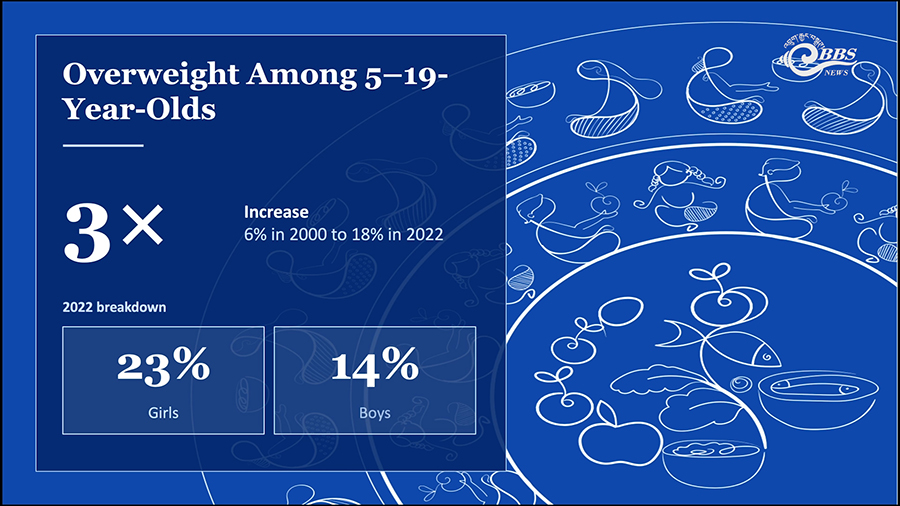 Meanwhile, overweight among those aged five to 19 tripled, from six per cent in 2000 to 18 per cent in 2022. The rate was higher among girls, at 23 per cent, compared with 14 per cent among boys.

“We already had problems with nutritional issues and micronutrient deficiencies. Now, with the development of the country, something new is emerging: a rising number of children are overweight or obese. These three issues combined are referred to as the triple burden of malnutrition,” said Kinley Dorji, Health and Nutrition Officer, UNICEF.
The concern goes beyond whether children are eating enough. They also need the right nutrients to grow and stay healthy. The report highlights micronutrient deficiencies among adolescents aged 10 to 19, including vitamin D, B12 and iron.
A survey of 325 school-going adolescents found that half chose fast food, packaged snacks, sweets or sugary drinks when hungry at school. One in three said these products were freely available in school food-service facilities.
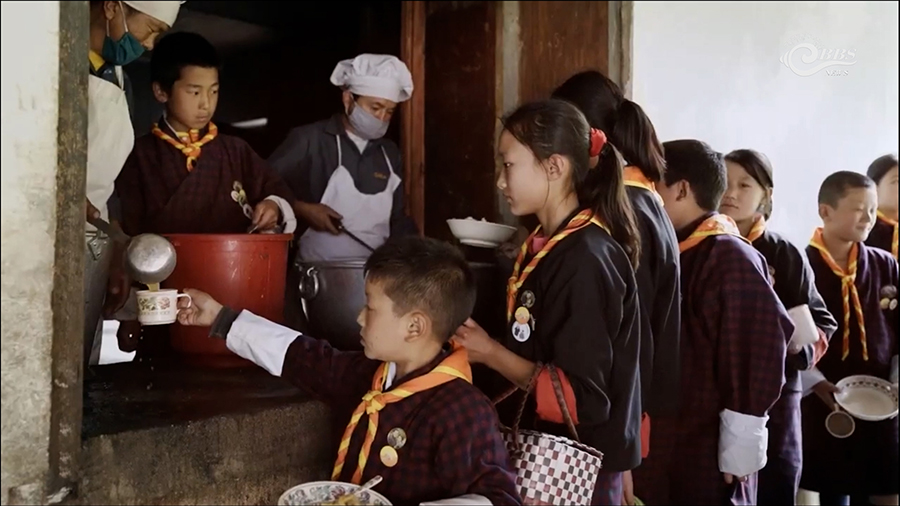
 Meanwhile, the country has already rolled out initiatives to improve child nutrition. The school feeding programme reaches around 90,000 students, while the One-Egg, One-Child pilot, launched in February 2025, was reaching about 32,000 students across 345 schools.

However, the report calls for stronger, coordinated efforts to address all three forms of malnutrition.
“UNICEF and the Ministry of Health developed the Nourishing Bhutan Framework last year. It calls for multi-stakeholder action to address nutrition-related issues,” said Kinley Dorji, Health and Nutrition Officer, UNICEF.
The report recommends improving school meals, strengthening nutrition education, and restricting the sale and marketing of unhealthy food in schools.
For children, food choices are often shaped not just by what is healthy but also by what is affordable and readily available.
“In the market, vegetables cost more than they did in the past, while noodles and chips cost only 10 to 20 ngultrum, making them more appealing to children. In the past, much of what we ate came from what we grew ourselves. Now, what we consume is increasingly influenced by the products marketed and promoted in our food environment. There are no regulations or restrictions on the sale of these unhealthy products. Ultimately, this affects the health and well-being of our youth,” said Kinley Dorji, Health and Nutrition Officer, UNICEF.
Beyond improving food choices, the report calls for better screening and care for children at risk of malnutrition, with stronger coordination across sectors.
Bhutan has made progress in reducing childhood undernutrition. But tackling the triple burden of malnutrition will require more than providing enough food. It will also mean ensuring that children have access to nutritious, affordable and healthy choices wherever they eat.
Over the coming weeks, we will bring you a series of stories exploring how our food environment shapes children’s diets and nutrition, through expert insights, real-life experiences, and practical information.
Kelzang Chhophyel & Karma Samten Wangda
Edited by Sonam Pem
This news story is produced in partnership with the Ministry of Health and UNICEF.