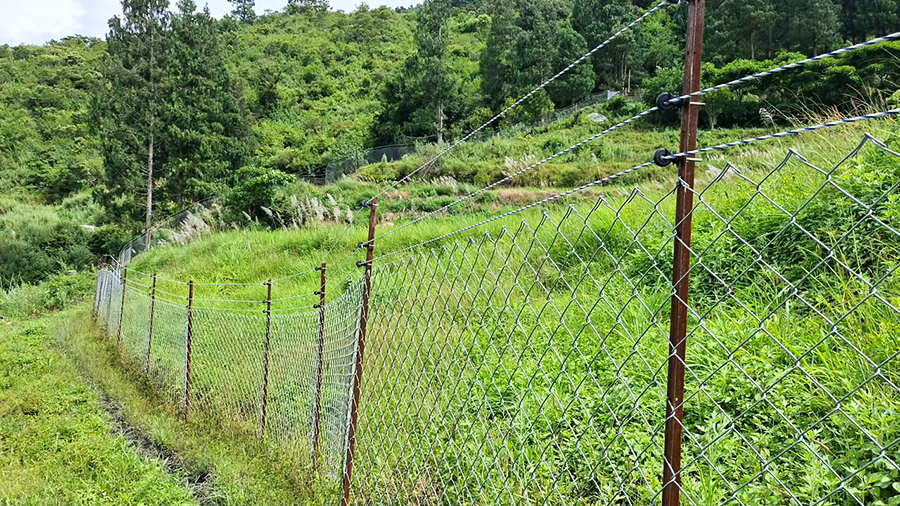
 For farmers living alongside forests, keeping wildlife out of their fields can be just as challenging as growing the crops themselves. In Nyalakha village in Wangdue Phodrang, farmers are now testing a new type of fence designed to keep wildlife out with less time, labour and cost. The Universal Hybrid Fence combines electric wires with ground-level wire mesh, creating a system that aims to stop animals from both crossing over and digging underneath.
For farmers here in Nyalakha, protecting their crops from wildlife is a constant challenge. Now, they are testing a different approach.
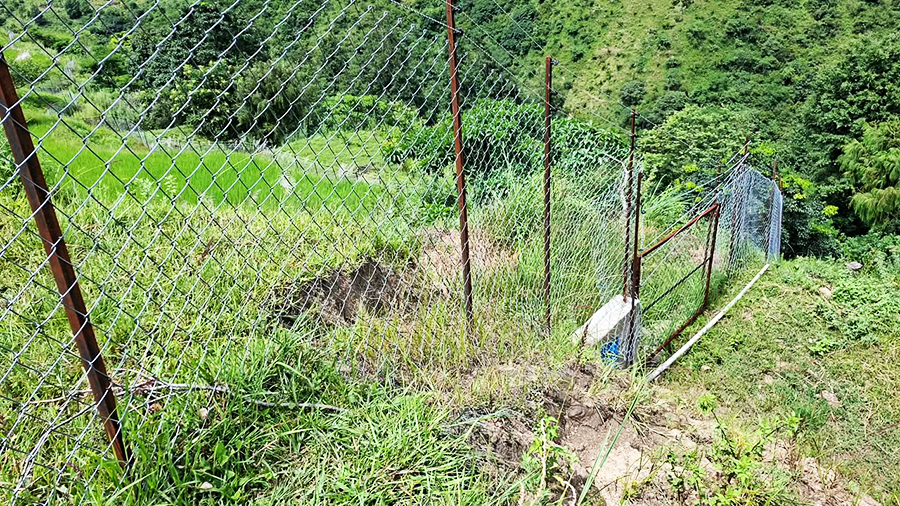 Stretching over 2 kilometres across around 48 acres of farmland, the Universal Hybrid Fence has been installed under the Project for Community-based Human-Wildlife Conflict Management. The fence was inaugurated yesterday.
Three to four electric poly wires run along the top of the fence, delivering an electric shock to deter animals from crossing.
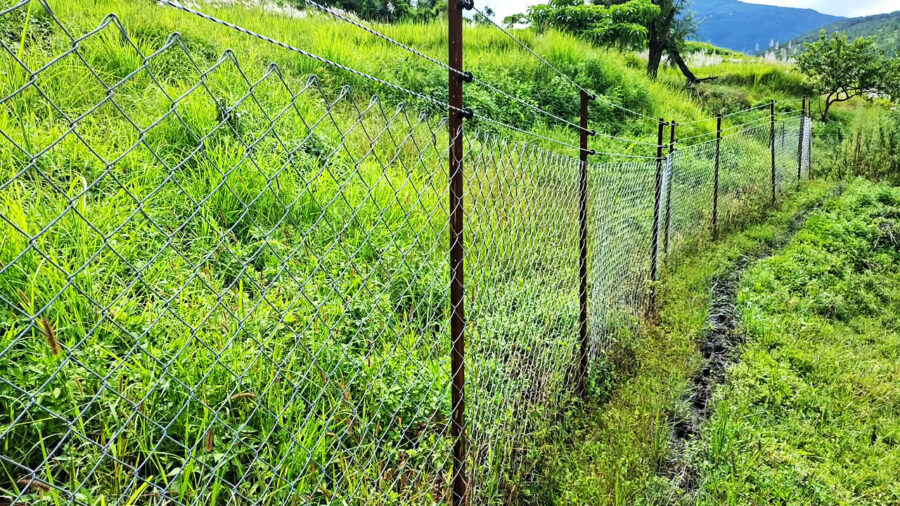 The lower section has wire mesh laid flat on the ground using U-shaped stakes. This is designed to prevent animals, particularly wild boars, from digging underneath the fence.
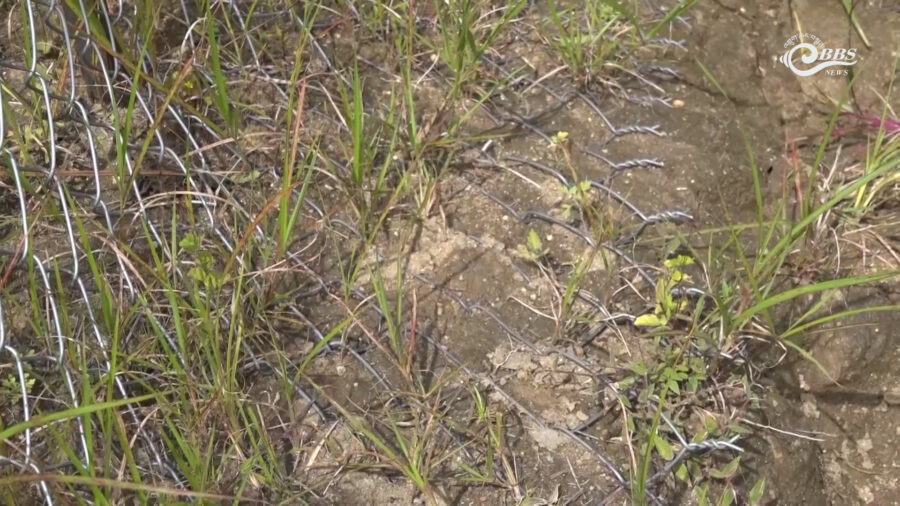 For farmers, however, the biggest difference may be the time and effort needed to install it.
Zamding Tshogpa Phub Dorji said,“If we had installed a conventional fence, it might have taken more than ten months to complete. However, installing this Universal Hybrid Fence took only a little over two months. Therefore, it is highly beneficial for farmers as it saves both time and effort.”
The design also replaces wooden posts with steel ones and uses poly wire instead of conventional GI wire.
And unlike a conventional chain-link fence, it does not require a concrete foundation. That means farmers do not have to transport water, sand and stone for construction, which can be particularly difficult in areas with limited access.
The farmers have installed the fence themselves after receiving hands-on training from JICA experts and the National Plant Protection Centre.
“First, we have to properly clear the area to the required width, like a power-tiller road size, before installing the fence. Then, we erect the posts and lay the wire mesh accordingly. We learned how to lay and join the wire mesh, as well as how to install the electric wires, connect the power supply, and adjust the energiser. We received thorough training, and now we are confident that we can carry out the work ourselves,” said Sangay Dorji, a farmer.
The material cost of the Universal Hybrid Fence is estimated to be nearly half that of a conventional chain-link fence, while eliminating the need for a concrete foundation could further reduce construction requirements.
So far, farmers say they have not recorded any wildlife damage since the fence was installed several months ago.
However, officials say it is still too early to call the system a success. The real test will come when the crops are ready for harvest, and as the fence continues to face pressure from wildlife and the elements.
The Project of Community-Based Human Wildlife Conflict Management was launched in May last year under the cooperation between the National Plant Protection Centre, the Department of Agriculture, the Ministry of Agriculture and Livestock and the Japan International Cooperation Agency, with the aim of a community-led initiative to protect agricultural products from wildlife damage by installing and maintaining fences around farmland.
JICA Expert on Community Development Megumi Shuto said, “When it comes to physical durability, we cannot say exactly how many years it will last. Compared to the conventional chain-link fence, we do not have enough evidence to say how durable it is. So, it may be a little weaker than a chain-link fence. However, it is very easy to set up.”
A similar five-kilometre fence is protecting around 185 acres of farmland in Toewang Gewog, Punakha.
The projects are also underway in Dagana, with plans to introduce the system in Tsirang.
If the Nyalakha and Punakha pilots perform well, the experience could help communities facing similar wildlife damage. For now, Nyalakha is a testing ground. The fence promises to be cheaper and easier to install. But its real measure of success will be simple: whether farmers can harvest their crops without wildlife getting through.
Changa Dorji, Wangdue Phodrang
Edited by Sangay Chezom