
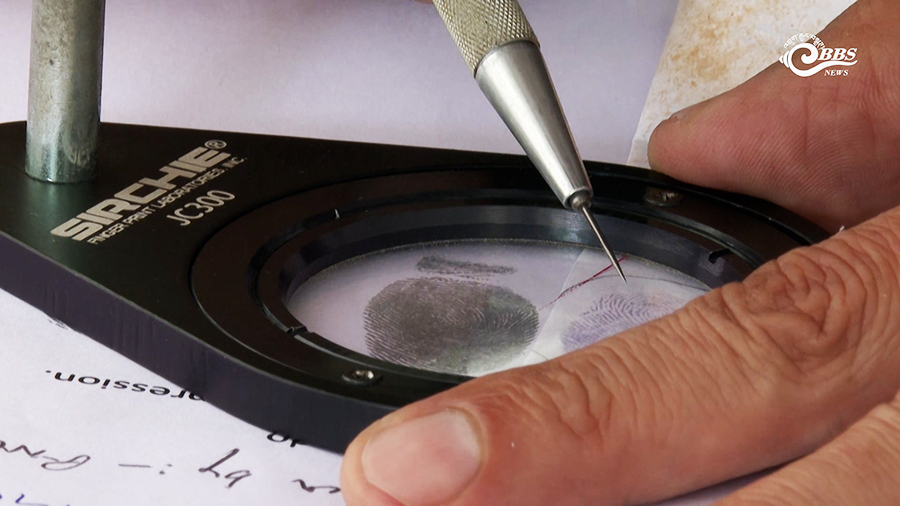
 Fingerprints are increasingly being used alongside or in place of signatures to authenticate important documents. However, poor-quality thumb impressions can make verification difficult and, in disputed cases, may even limit forensic examination. The Royal Bhutan Police is now urging legal firms, government agencies, and the public to use proper fingerprint inking pads when placing thumb impressions on official documents.
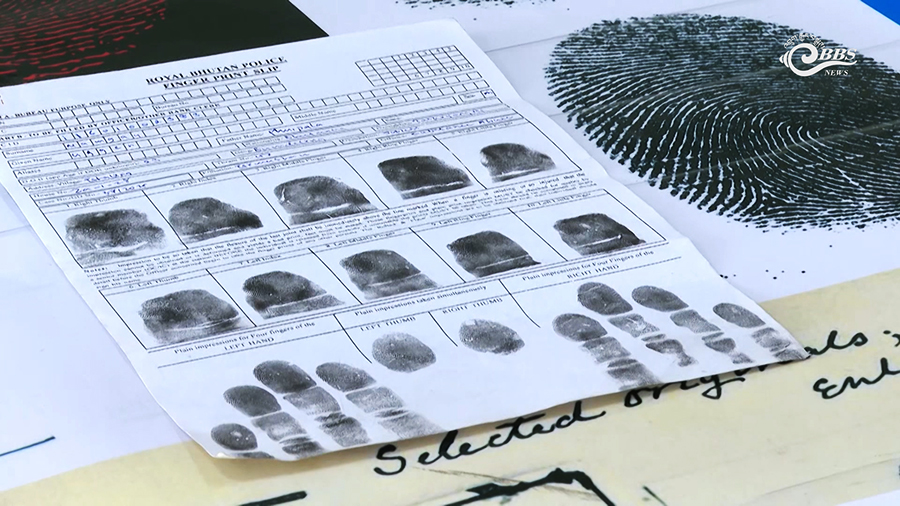 The majority of Bhutanese use thumb impressions on several official and legal documents.
At the National Land Commission Secretariat, thumb impressions have been made mandatory since 2019, irrespective of whether one can sign or not. This is to strengthen the verification of people involved in land transactions.

Tshering Zam, the Deputy Chief Land Registrar of the National Land Commission Secretariat, said the shift was mainly to strengthen the authentication and the verification of those individuals who are involved in the transaction, especially in suspected fraud and disputed cases. “Signatures can change and vary over time, whereas fingerprints can be a reliable means of verification.”
But getting a usable fingerprint is not always straightforward.
“When we verify, we come across smudged thumb impressions and faint inks, and the whole thumb not placed properly. It led us to return the transaction documents, and then landowners show their frustration. We have been advising our clients to place their thumb impression properly right from the beginning, so that it will not lead to returning of the documents,” added the Deputy Chief Land Registrar.
The quality of a fingerprint can become even more important if a document is later disputed and sent for forensic examination.
The Royal Bhutan Police Forensic Services Division dealt with 29 fingerprint cases in 2025. Of these, 12 were deemed smudged and unfit for verification. So far this year, it has handled 13 cases as of July.
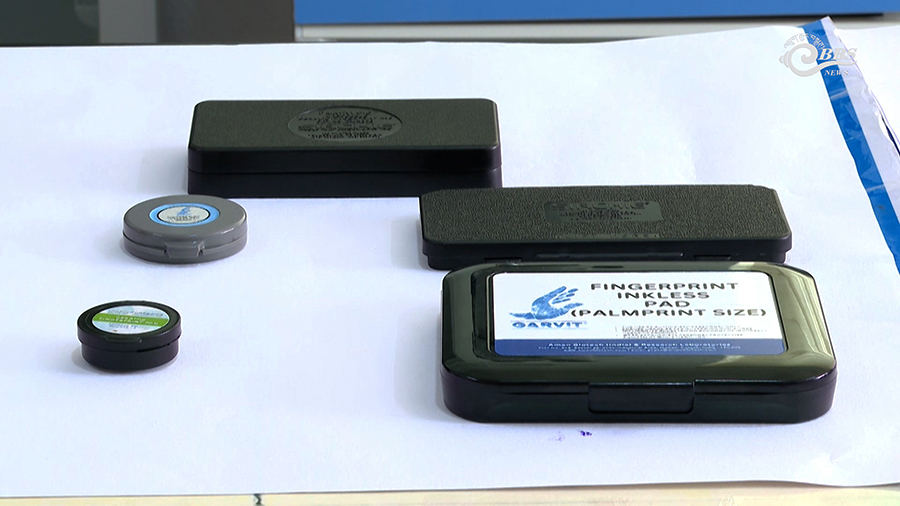 The RBP is now advocating for agencies to use a ceramic inking pad, a device used to capture clear, smudge-free thumbprints and fingerprints.
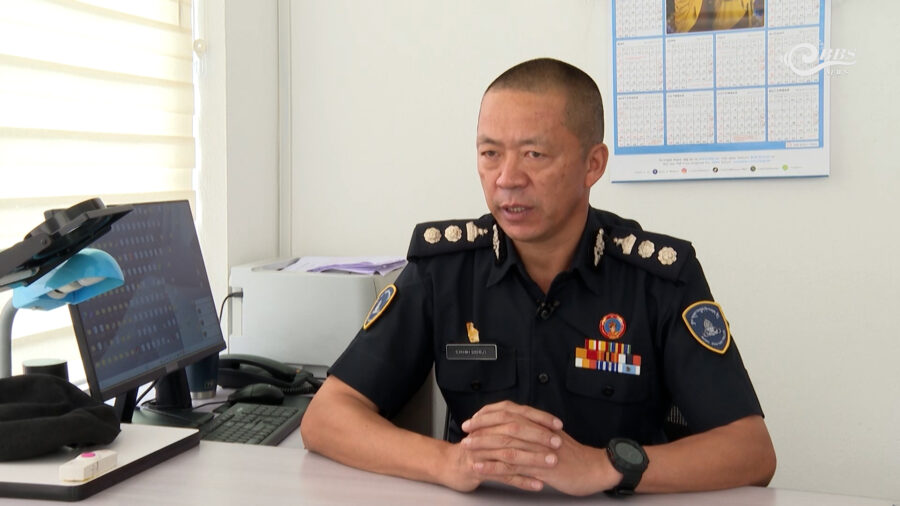
“If the fingerprint is done with a ceramic inking pad, the ridge characteristics will be very distinct. That means, the fingerprint will be very clear, suitable for comparison, and I can provide concrete forensic evidence. If the fingerprint on the legal document is done with an ordinary stamp pad ink, the ink runs into the furrows, smudges the fingerprint, obscuring the ridge details; therefore, I cannot give any opinion,” said Colonel Chimi Dorji, the Superintendent of Forensic Services Division of the RBP.
He added that proper recording is therefore important not only when a document is created, but also for preserving evidence that may be needed years later.
For agencies handling legal and official transactions, a clear thumb impression could mean fewer documents being returned and stronger evidence if disputes arise later.
Deki Lhazom