
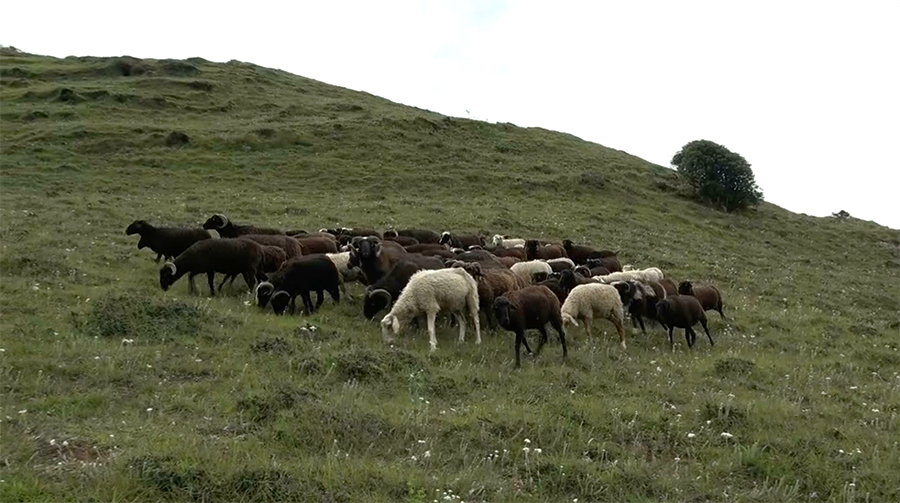
 Sheep rearing is becoming increasingly difficult in Bumthang due to shrinking pastureland, predator attacks and a shortage of reliable feed. The practice now survives in just two villages in Chhumey Gewog, putting the tradition at risk of disappearing. A new initiative is now helping farmers improve pastureland, protect their sheep and rebuild their flocks.
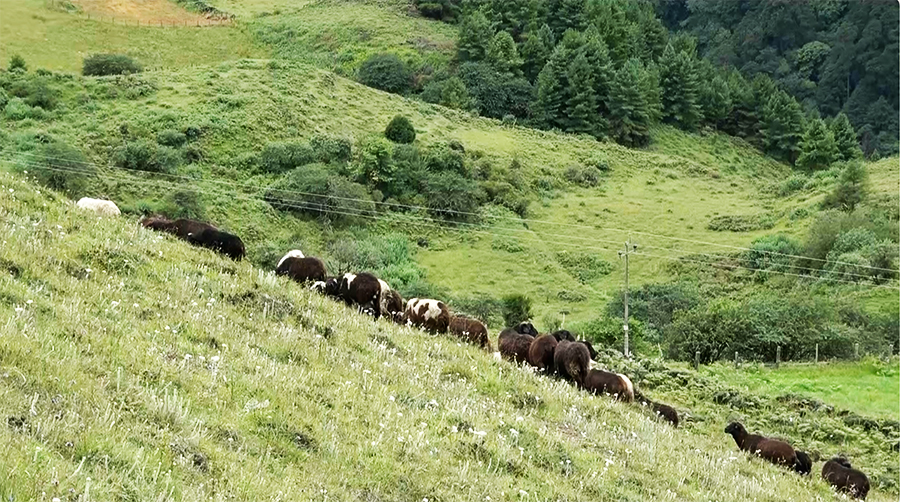 Across the pasturelands of Choongphe Chiwog, sheep can still be seen grazing on the hillsides.
In Zhurey and Bim villages, sheep rearing remains a part of rural life. These two villages are among the last communities in the district where the tradition continues.
But the number of farmers keeping sheep has declined. There are currently only about 80 sheep, reared by nine households.
Pastureland is becoming limited, making it difficult to provide enough feed for the animals.
Predator attacks are another major concern. Farmers say leopards and other predators have attacked sheep both while grazing and inside sheds at night.
Sonam Zangmo, a farmer from Zhurey, said that rearing sheep alone was dangerous and threatening in the past. “We feared that predators could even put our lives at risk. These days, we feel quite relaxed as leopards have not appeared in our village. But predators still attack at night, even in the sheds, and kill several sheep at a time.”
Farmers say the declining flock size has raised concerns about whether sheep rearing can continue in the villages.
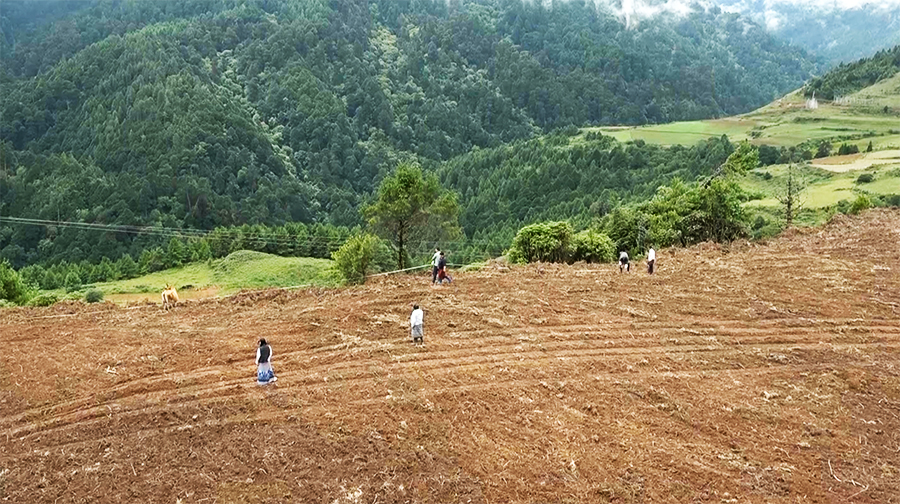 The District Livestock Sector has now started a sheep farming revival project with funding from the Bhutan Foundation and the Gewog Administration.
Pasture development is one of the main components of the project.
Pasture areas are being improved, and mixed fodder varieties will be introduced to provide additional feed, especially during winter.
Solar fencing will also be installed around the pasture areas to protect the sheep from predators.
Gewog’s Livestock Extension Officer Pasang Wangdi said, “We will be supplying 100 sheep to those farmers. So, secondly, through that, they can increase wool production and increase their income at the same time.”
The project will improve sheep to provide safer and healthier shelter for the animals.
Better breeds will be introduced to improve production and help farmers increase their flock size.
Sonam Zangmo said, “We are thinking that sheep won’t die, as we can feed them in this pasture land during daytime. We are also told that they will supply us additional sheep. So, it will also benefit us in reducing the import of wool too.”
The farmers hope to rebuild their flocks and increase wool production through the project, while keeping the sound of sheep grazing across the hills alive for generations to come.
Thinley Dorji, Bumthang
Edited by Sangay Chezom