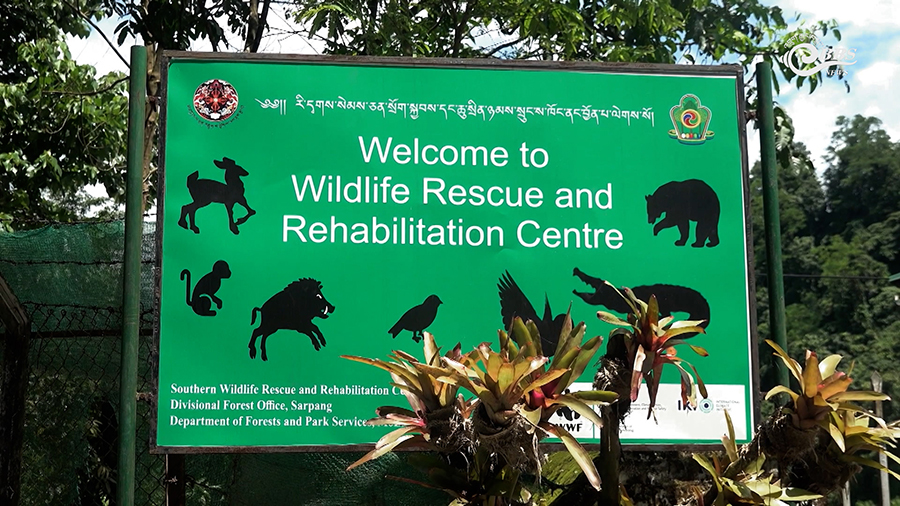
 The wildlife rescue and rehabilitation centre in Jigmeling, Sarpang, is taking on a new role as a public attraction. The 15-acre centre, established in 2015 to rescue and rehabilitate injured wildlife, is now open to visitors, while the Forest Office continues to improve its facilities to make the centre safer and more accessible.
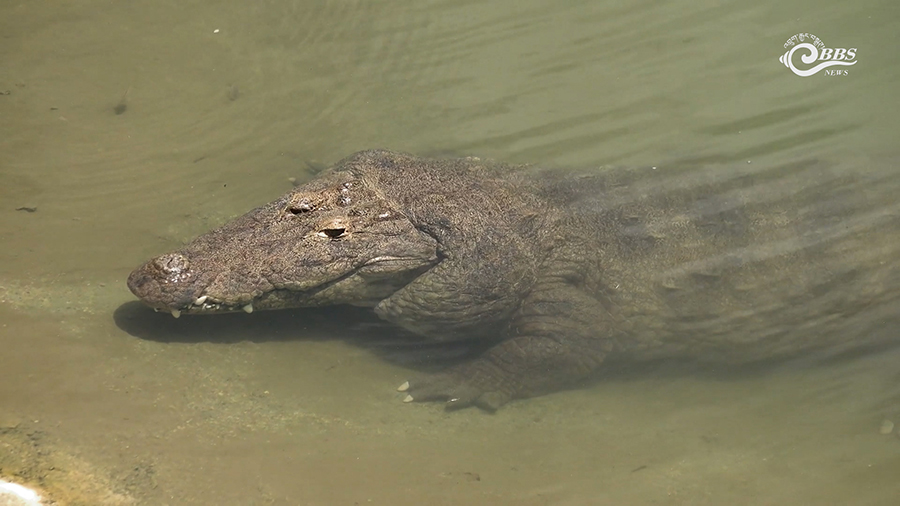 Crocodiles, bears, deer, wild boars, birds and tortoises are among the animals visitors can now see at the Wildlife Rescue and Rehabilitation Centre in Jigmeling.
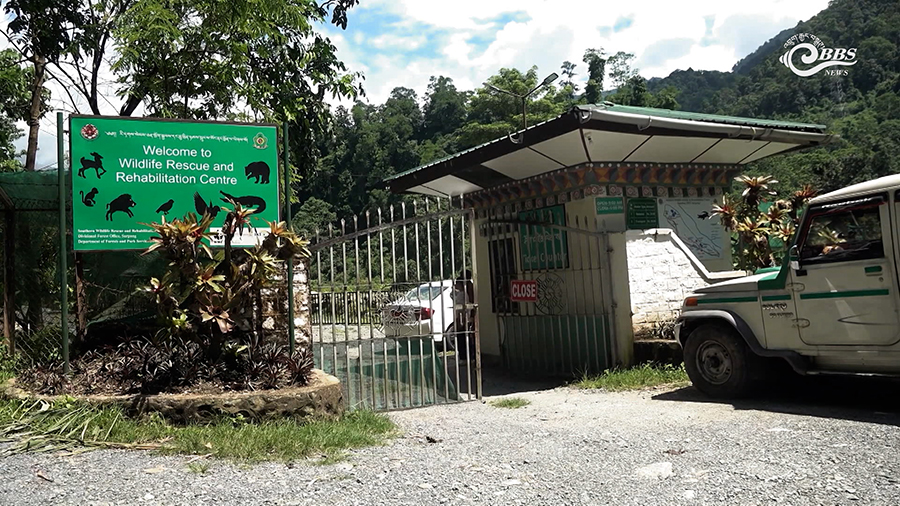 Established in 2015, the centre was set up to rescue, treat and rehabilitate injured wildlife and respond to human-wildlife conflict in southern Bhutan. Today, about four staff members care for the animals and manage the centre.
With public access now part of its role, the centre is developing the 15-acre site into a more visitor-friendly facility. Animal enclosures and viewing areas are being improved, while railings and proper footpaths are being added to allow visitors to observe the animals safely.
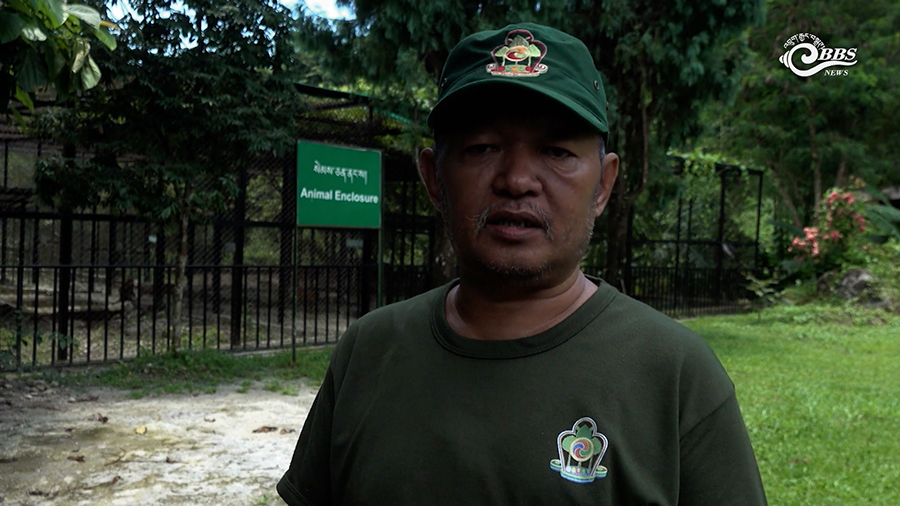
“As we open the centre to visitors, we need proper railings, footpaths and other facilities to make it suitable as an ecotourism site. This can generate some revenue to support the centre, while our rescue and rehabilitation work continues as before,” said Sangay Dorji, Focal Officer, Wildlife Rescue and Rehabilitation Centre, Jigmeling, Sarpang.
For the centre, however, opening to the public also means taking greater responsibility for visitor safety. Earlier, when it functioned mainly as a rescue facility, infrastructure to separate visitors from wild animals was limited. Now, safety enclosures and railings are being installed to maintain a safe distance between people and animals.
“Previously, our main focus was rescue and rehabilitation, so visitor safety infrastructure was not a major priority. Now that more people are coming, we have introduced railings and safety enclosures to keep visitors safe while they observe the animals,” said Sangay Dorji, Focal Officer, Wildlife Rescue and Rehabilitation Centre, Jigmeling, Sarpang.
The centre receives around 100 visitors a day on average during winter, although numbers fall during the monsoon.
Entry costs Nu 25 for Bhutanese visitors and Nu 50 for foreigners.
WWF, the International Climate Initiative, and Bhutan For Life support the development. The Bhutan Foundation has also provided one million ngultrum to build a bird enclosure.
As Jigmeling welcomes more visitors, its purpose remains rooted in wildlife protection. The centre is now trying to bring conservation, public awareness and ecotourism together, allowing people to experience Bhutan’s wildlife while continuing to provide rescued animals with care and rehabilitation.
Karma Wangdi/Passang Dorji, Gelephu