
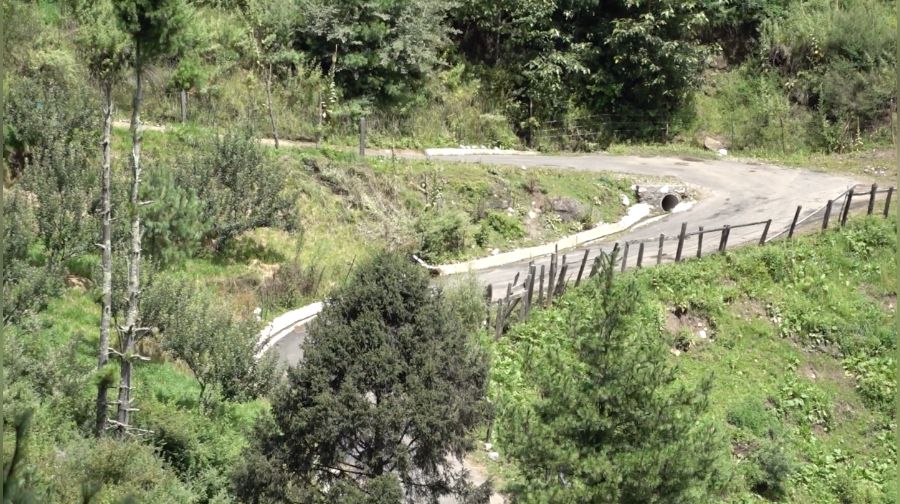
 Communities in Haa could lose future farm road development funding if they fail to maintain existing roads. The Haa Dzongkhag Tshogdu has decided to link future road funding to community responsibility, saying public resources cannot continue to be spent repairing roads that are neglected. The move is intended to strengthen community ownership and ensure development funds are used more effectively.
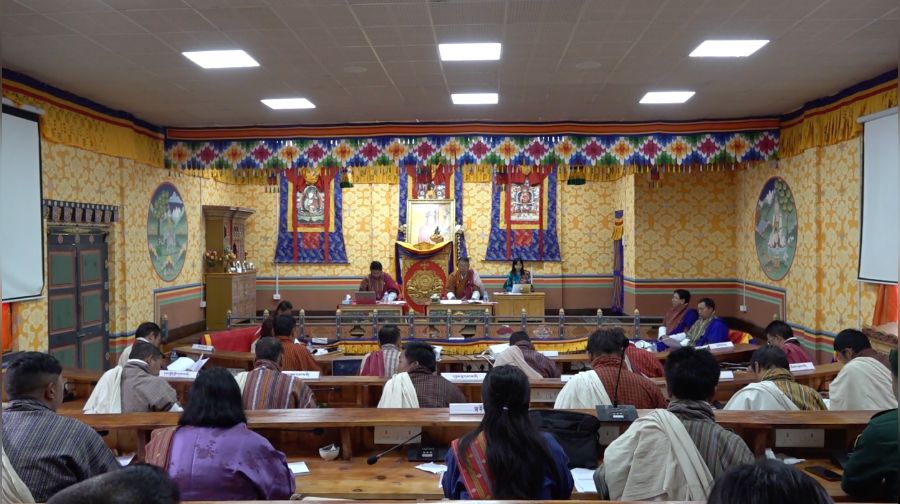
The decision was made during the recent Dzongkhag Tshogdu after members deliberated on the recurring issue of inadequate maintenance of farm roads.
 Under the district’s existing maintenance arrangement, communities are required to form a group responsible for maintaining their farm roads.
The groups are expected to carry out routine maintenance, such as drain cleaning and minor retaining wall repairs.
Currently, this is being carried out by the groups at least twice a year, once during the summer and once during the winter. In some areas, maintenance is also carried out every three months depending on the condition of the road.
Members said that while some communities have maintained their roads well, others have failed to take responsibility despite reminders from the district.
“Currently, some communities are not taking responsibility for maintaining their farm roads. As a result, roads constructed one year ago often require maintenance the very next year. This means budgets that could have been used for other development projects in the gewogs are instead being spent on repairing farm roads,” said Tenzin Jamba, the chairperson of Haa Dzongkhag Tshgodu.
Tshogdu members noted that the lack of regular maintenance causes roads to deteriorate more quickly, forcing the government to spend additional funds on repairs. They said the repeated expenditure on the same roads reduces the budget available for other development activities.
To encourage greater accountability, the Tshogdu resolved that going forward, communities which do not fulfil their maintenance responsibilities will not be prioritised for future farm road development until they demonstrate greater ownership of existing infrastructure.
“If this new rule is not followed and communities fail to take responsibility for maintaining their farm roads, any future requests for budget, whether for road maintenance or the development of new farm roads, will not be approved by the district or gewog administration,” added the chairperson.
As communities continue to rely on farm roads for agriculture and daily connectivity, the Tshogdu believes maintaining what has already been built is just as important as developing new infrastructure.
Haa hopes this approach will encourage greater community ownership and provide a possible model for other districts facing similar challenges.
Karma Samten Wangda, Haa
Edited by Phub Gyem