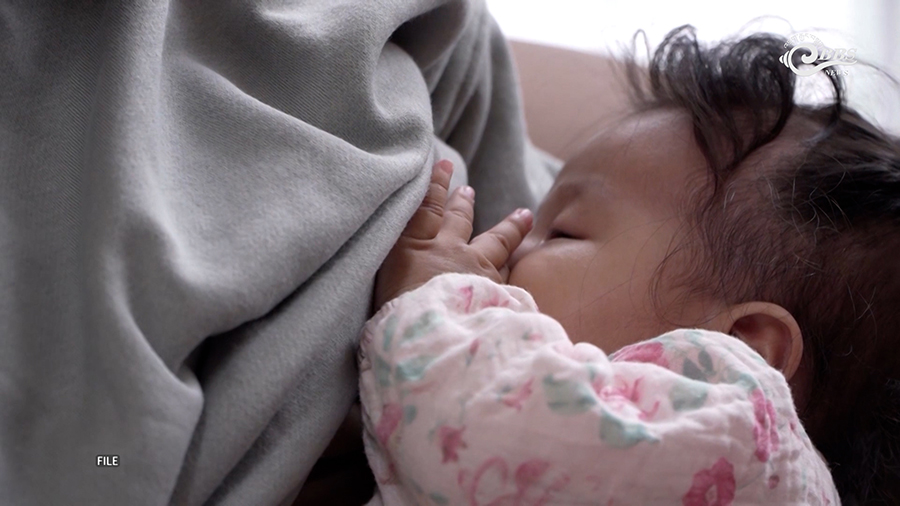
 Breast milk is often described as a baby’s first vaccine. According to the World Health Organisation, breast milk is safe, clean and rich in antibodies that protect children from infections and may lower the risk of diseases later in life. On World Breastfeeding Week, we look at why exclusive breastfeeding for the first six months remains one of the best starts a child can have.
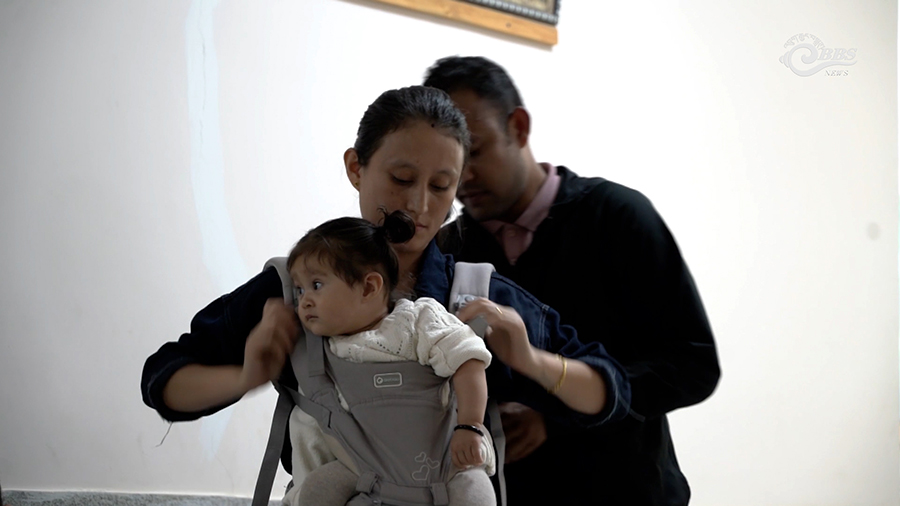 31-year-old Nisha Rai brought her 10-month-old daughter to the hospital for her monthly routine check-up.
She says her daughter has been healthy, something she credits to exclusive breastfeeding during the first six months.
“My baby is healthy. She has not been sick much. My first child, I gave him Cerelac (milk-based infant cereal) within three months. He was sick a lot of times. Right now, my daughter is not like that.”
The World Health Organisation recommends that babies be exclusively breastfed for the first six months, unless there is a medical reason not to.
Doctors say breast milk does much more than satisfy a baby’s hunger.
 “Whatever infections a mother has had, she would have produced antibodies which will pass through the breast milk and which the baby will receive. And now the latest research is also moving towards what we call bioactive components of breast milk, which help babies become more intelligent, babies not have any non-communicable diseases in future, and protect them from allergies. So when we compare breastfed babies versus bottle-fed babies, babies who have received formula. In the short term, the breastfed babies tend to have a lower incidence of infections like ear infections, diarrhoea, pneumonia, skin infections,” said Dr Dinesh Pradhan, Neonatologist, JDWNRH.
While infant formula provides nutrients, health experts say it requires careful preparation and handling to prevent contamination.
“You have to go and purchase the formula; you have to store it at the right temperature, not let infections get into the formula tin. You have to boil water, you have to mix the formula, cool it down, then feed the baby. So, all this requires a lot of work. It is a lot of work for the mother, for the family. And while doing all this, infection may be introduced at any point in time,” added Dr Dinesh Pradhan, Neonatologist, JDWNRH.
Health workers also caution against introducing other foods too early.
 “If you introduce any food other than breast milk, their tummy is not ready to accept it or digest the food. So, it will take the place of breast milk, and the body cannot absorb whatever they have fed the baby. So the baby will not get the nutrients that are required for their body. So, that’s how they lack nutrition for their baby, so they will not grow as per their age,” said Tandin Zam, Lactation Consultant, JDWNRH.
Experts say breastfeeding also benefits mothers by lowering the risk of postpartum haemorrhage, breast and ovarian cancers, heart diseases and type 2 diabetes. It also strengthens the bond between mother and baby through skin-to-skin contact.
Singye Dema
This news story is produced in partnership with the Ministry of Health and UNICEF, as part of World Breastfeeding Week.
Edited by Sonam Pem