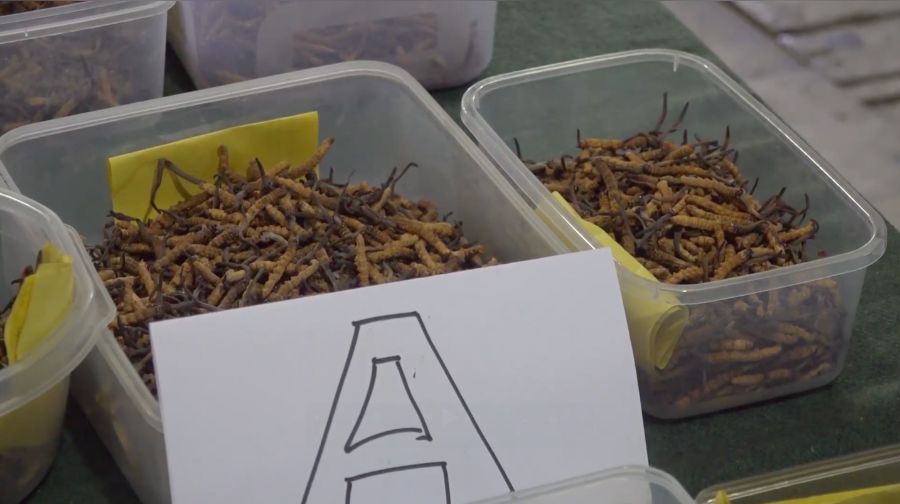
 Months of trekking through snow-covered mountains to collect cordyceps ended in disappointment for most collectors from Gasa. Dissatisfied with the prices offered at this year’s auction, most sellers chose to take their harvest back home rather than sell it.
For the past month, these collectors braved harsh weather, steep terrain and high altitudes in search of one of Bhutan’s most valuable natural resources.
Yesterday, 55 collectors from Lunana and Khamaed gewogs brought their harvest to the annual cordyceps auction in Damji, hoping their hard work would pay off. They said this year’s cordyceps harvest was both abundant and of good quality.
Nearly 30 buyers competed for the harvest.
However, as the auction progressed, one seller after another withdrew their cordyceps.
By the end of the day, only six sellers had accepted bids. The remaining 48 took their harvest back home.
The highest bid for top-quality cordyceps reached more than Nu 3.6 M per kilogram, while lower grades fetched only around Nu 200,000 per kilogram.
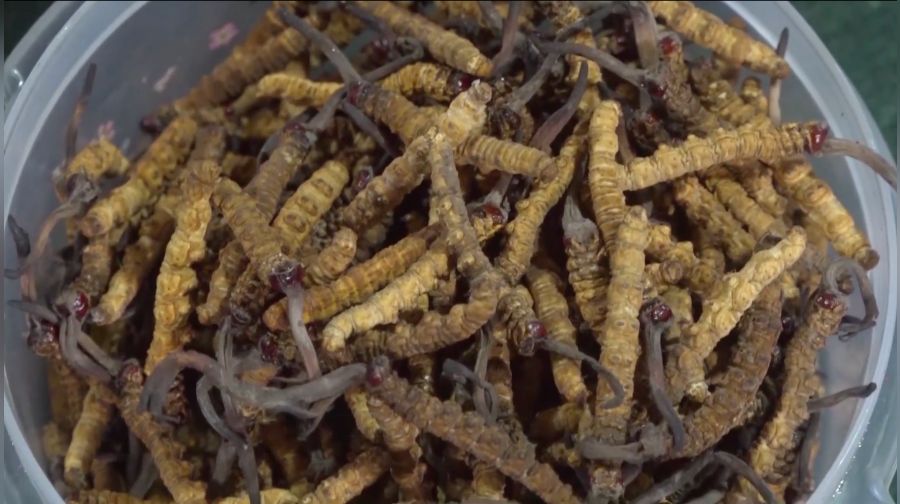 According to some cordyceps collectors, the bidding prices at the auction are lower than the prices they receive from local dealers. They added that the prices offered may not even cover the expenses they incurred to attend the auction.
“I withdrew my cordyceps because the price offered was even lower than what local traders were offering. I expected around four million ngultrum per kilogram, but I couldn’t get that price,” said Mindu, a seller from Lunana.
Other collectors said this year’s prices were significantly lower than last year’s, despite the risks involved in collecting cordyceps.
“I was expecting around Nu 3.8 to 3.9 M per kilogram for Grade A+ cordyceps, but I could not get that price. Last year, we received around Nu 4 M per kilogram for the same grade. This year, the highest offer was only around Nu 2.5 M, so I decided not to sell. Collecting cordyceps is not easy. We take great risks in the mountains, and even bringing it down safely to warmer areas is challenging,” said Jigme, who also brought his harvest to the auction.
Lunana Gup Kaka said, “The price today is much lower compared to what we received in the past five years, and it has also dropped significantly from last year. Our people take great risks to collect cordyceps in difficult mountain conditions, facing snow, harsh weather and even risks to their lives. After going through all these challenges, it is disappointing and discouraging not to receive a fair price at the end of the season.”
However, buyers said they were equally under pressure. They said weak international demand and fewer overseas buyers made it too risky to offer higher prices.
“The main reason we cannot offer a higher price this year is that exporting cordyceps has become more challenging. There are fewer international buyers compared to previous years, and demand has declined. We understand that sellers want a good price, but if we pay a very high price now, we may struggle to recover our costs when we export cordyceps,” said Dendup, a buyer from Bhutan Himalayan Organic Cordycep.
The cordyceps auction for Khatoed and Laya Gewog also witnessed a similar scenario. The highest bid did not exceed 2.5 million ngultrum per kilogram. So, most sellers withdrew their harvest after rejecting the bids.
For now, the collectors have chosen to wait, hoping that better prices will eventually reflect the risks and hardships behind every piece of cordyceps they collect.
Changa Dorji, Gasa
Edited by Sangay Chezom