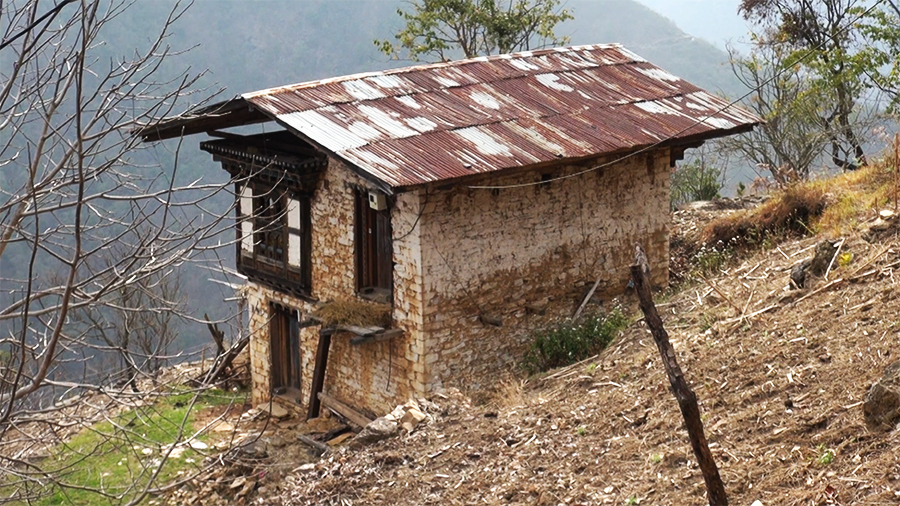
 Rural-urban migration is an old and common challenge across the country, leading to many gungtongs or abandoned homes. It is a similar story in Trashi Yangtse’s Dukti Chiwog, which borders the Indian district of Tawang. The place has been experiencing an average of two to three households emptying every year.
Dukti village is located almost seven hours on foot from the nearest road point in Yalang Gewog. Like many rural communities, migration has become a major concern.
The village, which shares its borders with Tawang, has only 14 households today, from about 35 households a decade ago.
Today, several abandoned houses remain, many damaged, some overgrown with bushes, left locked, and their keys long rusted.
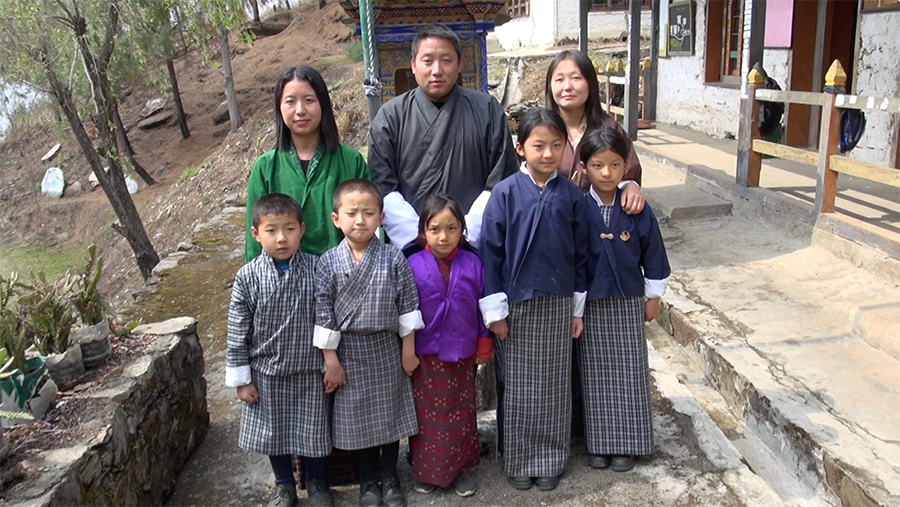 With the declining population, basic services have also been affected. The village school remained closed last year due to a shortage of students; however, it has reopened this year, but with only five students.
For residents who continue to live here, the situation is increasingly worrying, not just because of dwindling numbers but also due to its location.
“We don’t have many people living here. When people fall sick here, we have to carry them on our backs to the road point, and sometimes we don’t have enough people for that. We have only four people who can work; the rest are all old,” said Tenzin Norbu, Dukti, Yalang Gewog, Trashi Yangtse.
“When people move out of the village, their land is left fallow and slowly turns into a jungle. Wild animals then take shelter in these areas and begin damaging our crops. Earlier, when more people were living here, animals stayed away because most of the fields were used for farming,” said Jigme Dorji, Dukti, Yalang Gewog, Trashi Yangtse.
“When I first took over office as the Chiwog Tshogpa, there were around 35 households in Dukti village. Thereafter, two to three households kept on moving out each year. Last year alone, three households left, and now only 14 households remain in the village,” said Karma Tenzin, Dukti Tshogpa, Yalang Gewog, Trashi Yangtse.
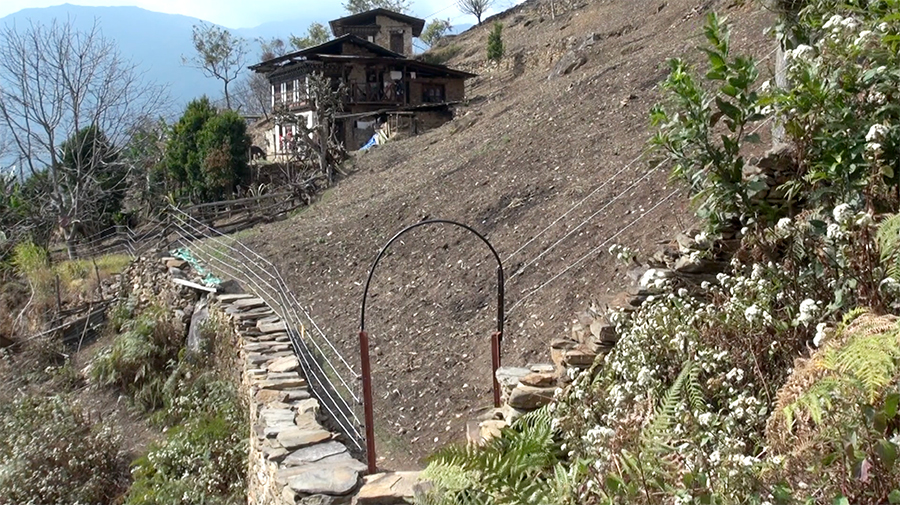 Besides the gewog office providing basic amenities, the district Forest Division, with support from Bhutan Trust Fund for Environmental Conservation, also supported the village with electric fencing to minimise human-wildlife conflict inside the biological corridor landscape.
“I feel that having some exceptions or considerations for those living along the borders, like at Dukti, is necessary. Maybe like a concession for land tax, some incentive for those living along the borders would really help,” said Sonam, Yalang Gup, Trashi Yangtse.
As more families vacate their homes each year, concerns among the remaining residents continue to grow.
Sonam Darjay, Tashi Yangtse
Edited by Yeshi Gyaltshen