
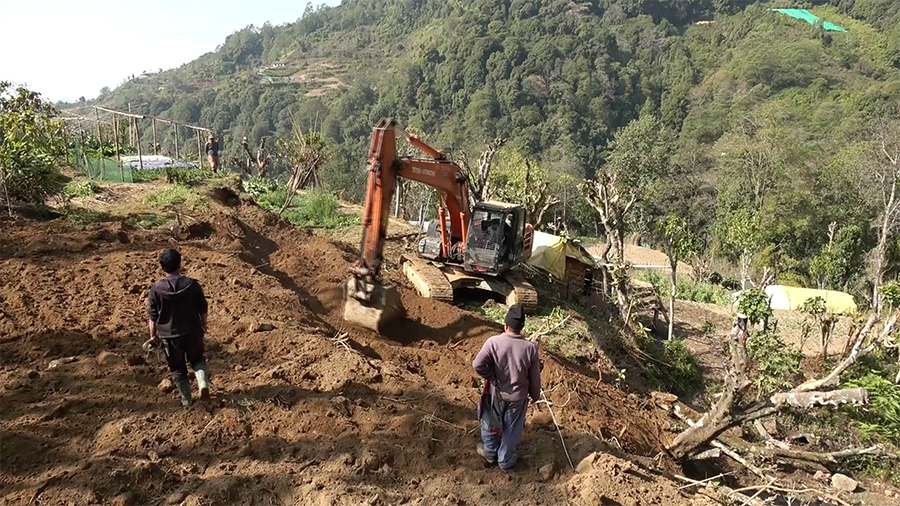
 As farm mechanisation gains momentum across the country, developing agricultural land to suit modern farming practices has become increasingly important. In Tsirang, acres of farmland are being developed to make the best use of limited land resources. The project is expected to boost agricultural productivity and ensure that no cultivable land remains fallow.
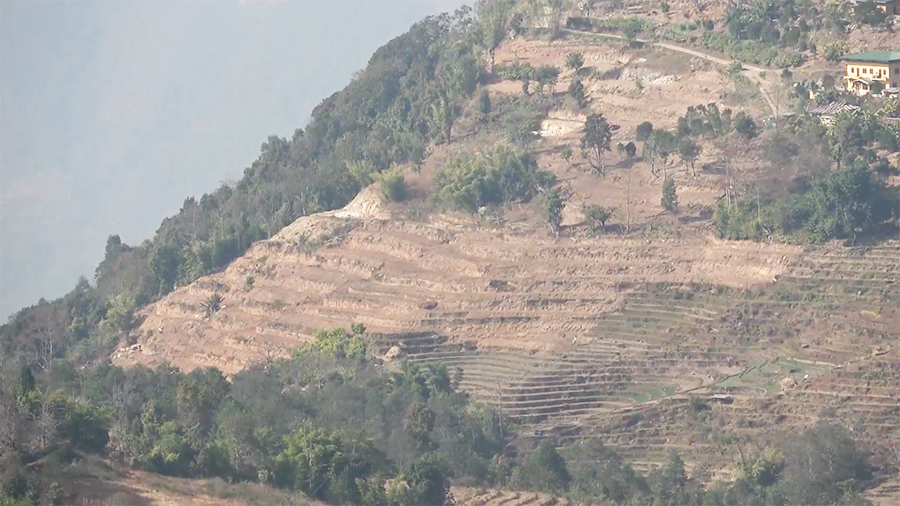 Farmlands on sloppy terrains spanning over a hundred acres are being developed in Kilkorthang and Patshaling gewogs.
In Kilkhorthang Gewog’s Maenchhana Chiwog, over 60 acres of wetland and dry land are being transformed into improved agricultural landscapes.
“Everyone is farming using power tillers. And our children are also not willing to depend on oxen to plough. Moreover, they do not even know how to make traditional wooden ploughing tools,” said Maenchhana Tshogpa, Bholanath Chapagai.
“We are committed to cultivating crops hereafter. The developed land will make farming easier. Earlier, it was difficult to retain water in dry land due to steep slope. But now water retention will improve,” added Aga Nidhi Acharya, a farmer from Maenchhana Chiwog in Kilkhorthang Gewog.
Similarly, more than 50 acres of dry land belonging to over 55 households in Chhuzomsa Chiwog of Patshaling Gewog have also been developed.
“We have limited landholdings. Due to steep slopes, we couldn’t grow more crops and vegetables as power tiller couldn’t access those areas. With the land developed, we are now hopeful of growing more,” said Pema Dorji Tamang, a farmer at Chhuzomsa of Patshaling Gewog.
Land development is expected to boost agricultural yield in these slope areas, where crop productivity remains affected due to soil nutrient loss and where the use of modern farming technologies, such as power tillers, is limited.
Farmers in Maenchhana Chiwog grow paddy on a large scale, while farmers of Chhuzomsa Chiwog grow mass cabbage and cauliflower in winter and beans and chillies in summer. However, some portions of farmland were previously left fallow due to steep slopes, which hindered mechanised farming.
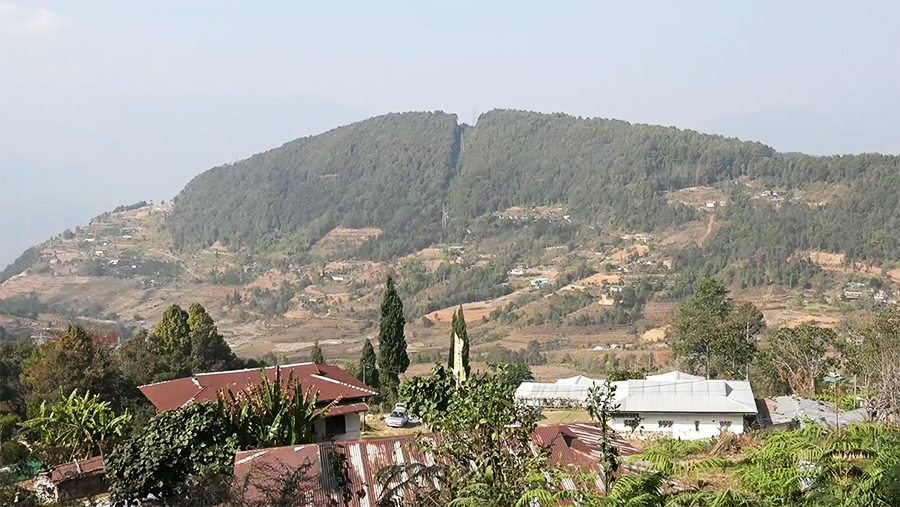 Farmers in the two gewogs say such a land development project will not only make farming easier but also encourage more youth to take up farming for their livelihoods.
The land development project is supported by the project for Advancing Climate Resilience of the Water Sector, spending over Nu 5.4 M. With significant investment made, the responsibility now lies with beneficiary farmers to make optimal use of the developed land in pursuit of the country’s food self-sufficiency goal.
Pema Tshewang, Tsirang
Edited by Phub Gyem