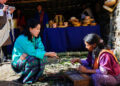
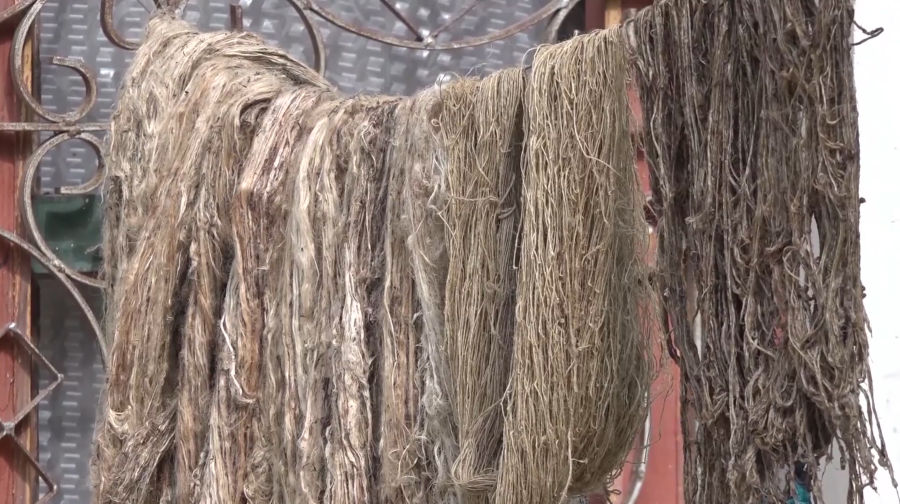
 Athang Gewog in Wangdue Phodrang is historically known as the birthplace of Adha Mathra and Adha Rachu, woven from nettle yarn. The tradition is believed to date back to the 8th century. Over time, this tradition faded. Today, the gewog administration, in collaboration with the Royal Textile Academy (RTA), is working to revive the craft through a 14-day training on nettle yarn processing and basic weaving.
The youngest participant is 13-year-old Kinley Yangden from Lomtshokha Chiwog. Despite her young age, she chose to spend her winter vacation learning to process nettle yarn alongside adult participants.
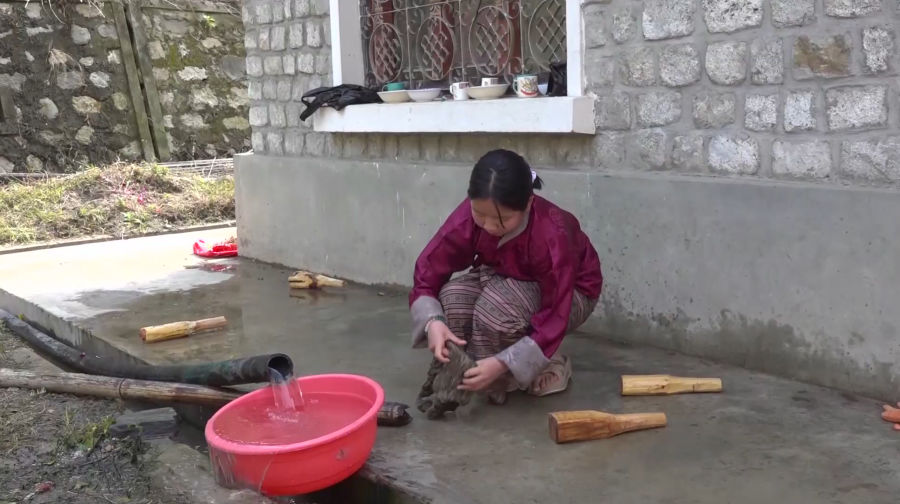 For Kinley, a Class Seven student who had never seen her village’s weaving tradition before, every step, from processing nettle fibres to learning basic weaving, has been a new and valuable experience. She says the training has opened her eyes to the income potential of locally available resources that require little investment.
She actively participates in the sessions and plans to share her skills with friends back home, viewing the training as both a learning opportunity and a step toward a better future.
Kinley Yangden says, “I joined this training to learn how to make yarn from nettle plants and to weave Adha Mathra and Adha Rachu. There are future opportunities in this field. After Class 12, jobs are not guaranteed so this skill can create employment. We can earn around Nu 1,000 from a roll of nettle yarn.”
Of the nearly 30 participants, the majority are youth, including four men, who say they feel a strong responsibility to revive Athang’s long-lost nettle weaving traditions.
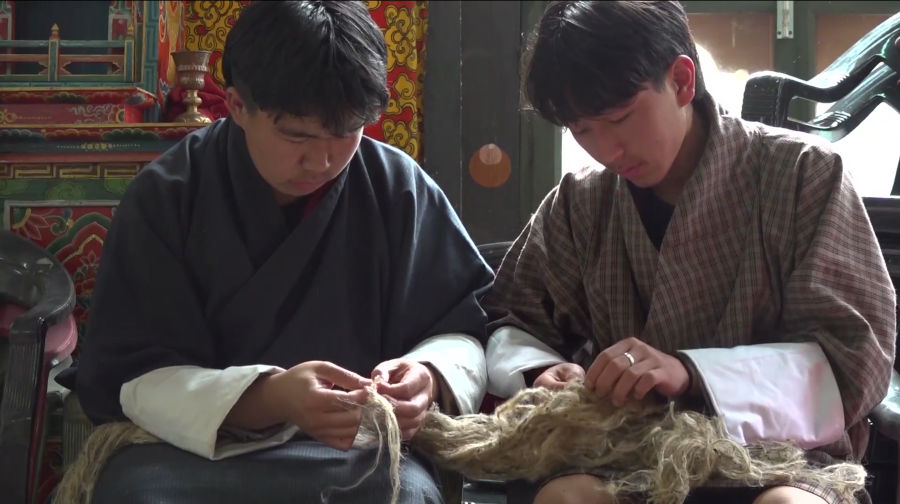 Another participant is Tandin Dawa from Lomtshokha.
He says, “This training helps us gain practical knowledge. There is good income potential from nettle yarn, and RTA has assured market support if we face difficulties selling it.”
“We are learning about our traditional culture using materials available in our forests. Since we don’t have to buy yarn, it reduces financial burden and encourages more people to take an interest,” says Tshering Choden, also a participant.
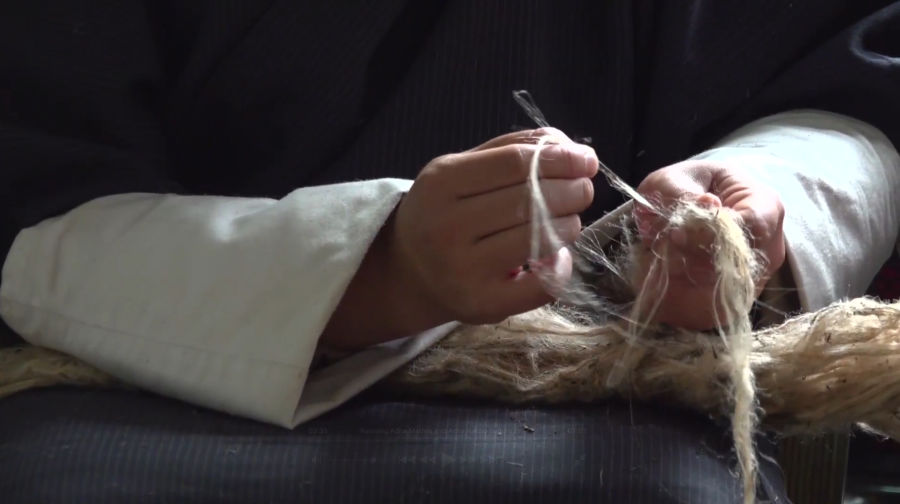 The process begins with collecting nettle plants from nearby forests. The outer bark is removed, the stalks are boiled, the fibres are scraped and washed, then dried in the sun. Some participants also dry the fibres first before softening them.
The Athang Gup Dawa Gyeltshen says that the plans may be needed to preserve and cultivate nettle plants in the future if demand increases.
“Our elders say Adha Mathra and Adha Rachu were woven here in the past. Today, the tradition no longer exists. This training aims to bring it back,” says the gup.
For participants like Kinley, the training is more than learning a skill. It is a reminder that the future can be built from the wisdom of the past, one strand of nettle yarn at a time.
Changa Dorji, Wangdue Phodrang
Edited by Kipchu