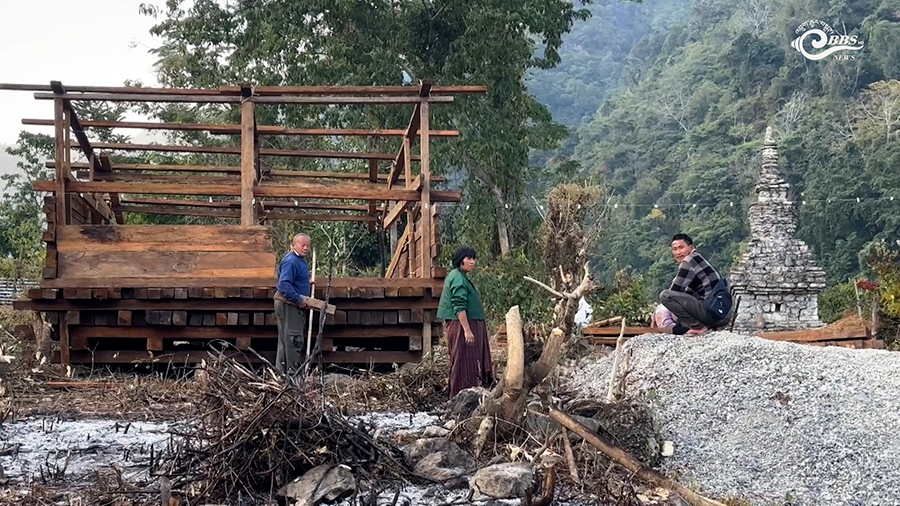
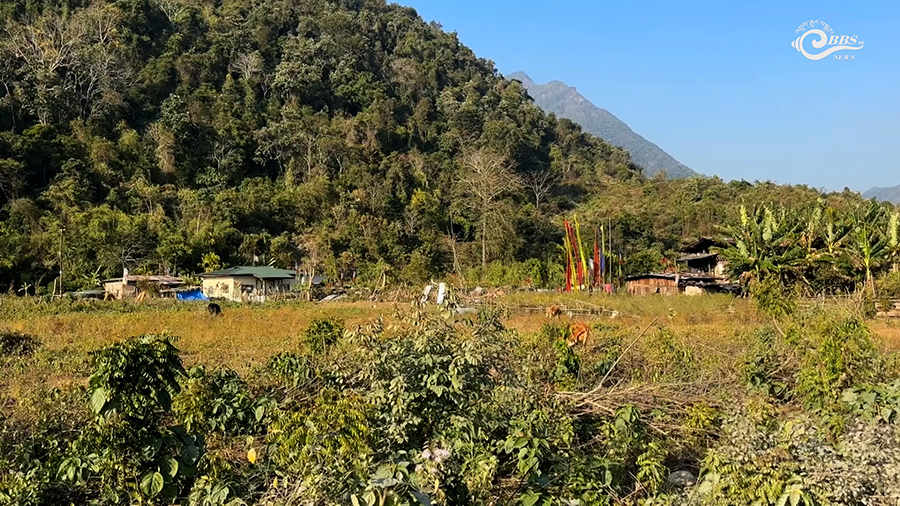
 Houses that once remained locked are now coming back to life at Yangbari in Monggar’s Gongdu Gewog.
The gewog which recorded over 50 gung-tong or empty households is now seeing a surge in construction of new houses.
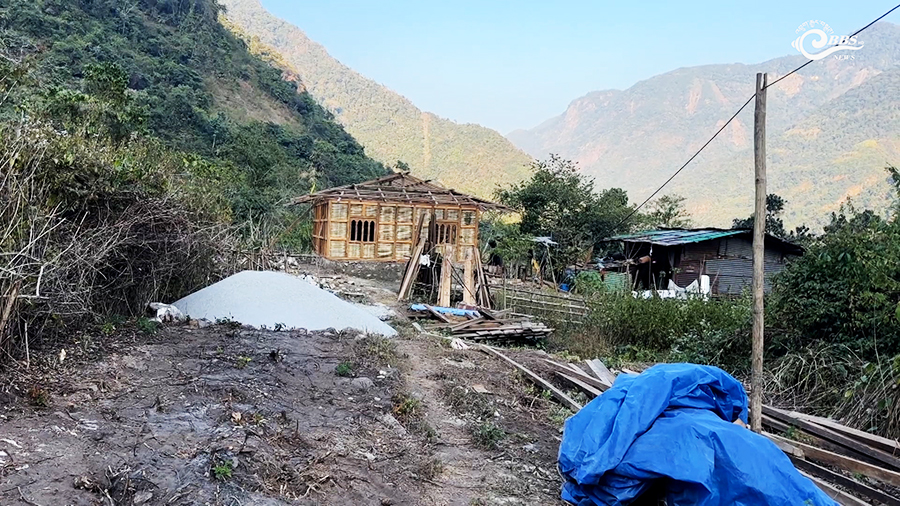 Local leaders say this construction boom is a clear indication of reverse migration, where families return from urban centers to resettle in their villages.
According to local authorities, Gongdu Gewog saw over 15 families returning to the village in the last four years.
Among them is 37-year-old Dorji Tenzin.
Born and raised in Thimphu, he worked for a private company after completing high school.
Dorji recently decided to return to village with his family.
He is now busy laying the foundation for his home in Yangbari.
“Our village was considered remote, but has gradually undergone significant development. One is road, which has been fundamental to our community’s progress. Moreover, the cost of living in the capital is high. For people like me, with limited education and work experience, life there is not easy. In contrast, here in the village expenses are manageable, with increasing opportunities and scopes to make income. That’s why we decided to return.”
Similarly, 55-year–old Rinchen Chojey, a retired soldier, is closely supervising the construction of his single-storey house.
Originally from Nagor in Silambi, he purchased a plot of land in Yangbari for its suitable climate, business prospect and better basic amenities.
“The road is better and the plot of land I bought is accessible. Similarly water is abundant here, and weather is moderate. Back in Nagor, it would be cold at this time of the year. The land is fertile. If we can work, we can grow maize, vegetable, and chili for commercial purpose.”
Beyond addressing the longstanding issue of gung tong or empty households, the shift has brought tangible benefits and opportunities for those who remained behind. They say increasing population makes it easier to propose and implement developmental plans and activities.
Sangay Chophel, Yangbari Tshogpa said, “In just four years the number of households in my chiwog has increased from 68 to 82. This growth has made it more convenient for us, especially when dealing with human wildlife conflict. As the returnees clear their lands for farming, the area around the village becomes more settled, which keeps the wild animals at bay.”
Norbu Wangdi, Resident said, “People returning to village and those who buy land and settle in Yangbari brought along many benefits. A larger population makes it easier to develop plans for our chiwog. Moreover, as more people return they clear the once barren land surrounding our farms, which reduces damage from wild animal attacks.”
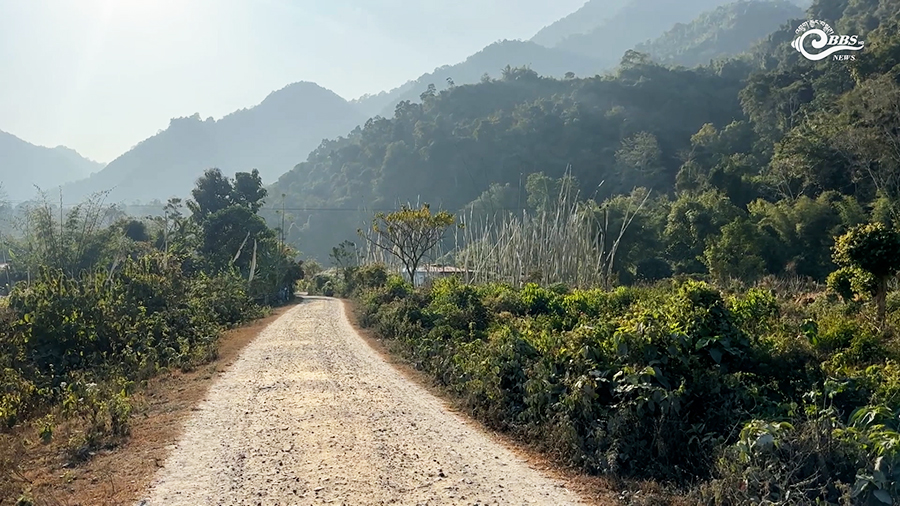 For now, with better road and market access, people of Yangbari grow pineapple as their main source of income. Areca nut farming is also gaining momentum in the community. While these commodities are among the promising business prospects attracting villagers to return, tourism is also slowly picking up in the region.
As more families return, the gewog is already working on expanding drinking water system and other services to accommodate increasing households in the community.
Yangbari’s experience offers a glimpse of how improved infrastructure and opportunity can bring families back home in Monggar which recorded over 670 empty households as of last year.
Namgay Wangchuk, Monggar