
The world has reached a critical stage in digital governance. Governments are increasingly turning to artificial intelligence to improve public service delivery and policymaking. Bhutan is no exception. To ensure responsible use of AI, Canada’s Indo-Pacific Engagement Initiative is developing an official document to regulate and guide the future development of Artificial Intelligence in five South Asian countries, including Bhutan.
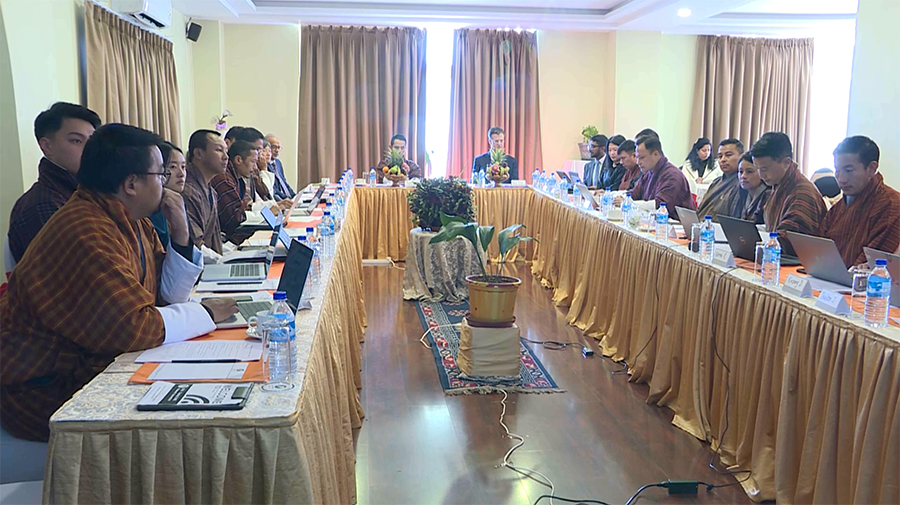 Around 15 participants attended the high-level stakeholder consultations under Canada’s Indo-Pacific Engagement Initiative. They included government officials, policymakers and educators.
The consultations focused on the use of artificial intelligence and cybersecurity. The aim was to strengthen governance systems, improve education and promote regional cooperation across South Asia.
Through the consultations, the initiative seeks to enhance Indo-Pacific cooperation on AI governance and digital diplomacy. It also aims to develop a South Asia–focused document to guide future AI policies and build practical, sustainable AI governance capacity across the region.
Mark Allen, Deputy Ambassador of Canada to Bhutan, stated that the consultations offered a valuable opportunity for mutual learning. He noted that Canada is recognised as a global leader in both AI development and governance. He added that Bhutan offers a unique perspective by combining modern technological thinking with traditional values such as mindfulness and Gross National Happiness. According to him, this balance of tradition and modernity creates important lessons for both countries.
Ali Owayid, Professor at Humber Polytechnic in Canada, said that the discussions focused on developing AI frameworks aligned with Bhutan’s national AI strategy and the philosophy of Gross National Happiness. He stressed that these principles must guide all AI-driven systems to protect Bhutan’s values, culture and well-being. He expressed hope that the sessions would generate new ideas and open opportunities for collaboration between the two countries.
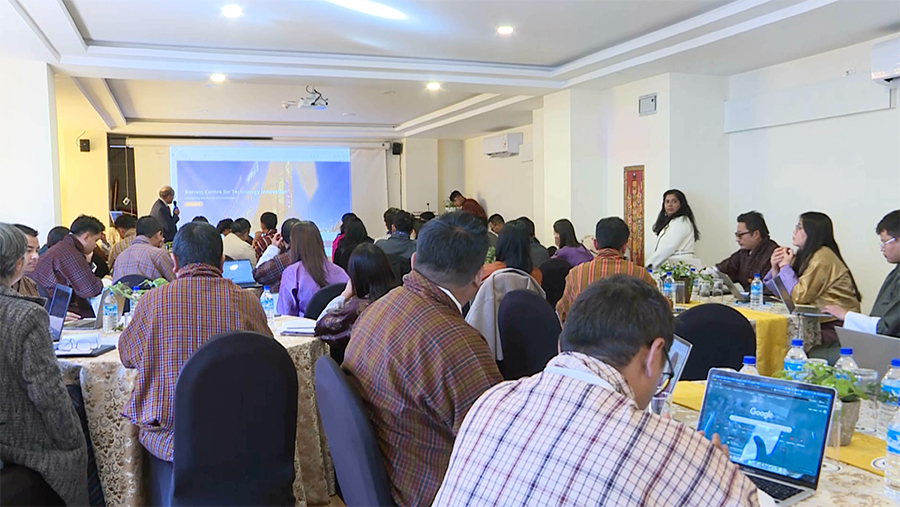 In addition, organisers conducted capacity-building workshops on AI in governance. Participants included representatives from policymaking bodies, civil society organisations and educational institutions. The workshops covered the practical and ethical use of AI in governance and education.
The regional initiative covers five South Asian countries. Workshops have already taken place in Bangladesh and Bhutan. Sessions are planned next in India, Nepal and Sri Lanka.
Namgay Wangdi
Edited by Sangay Chezom