
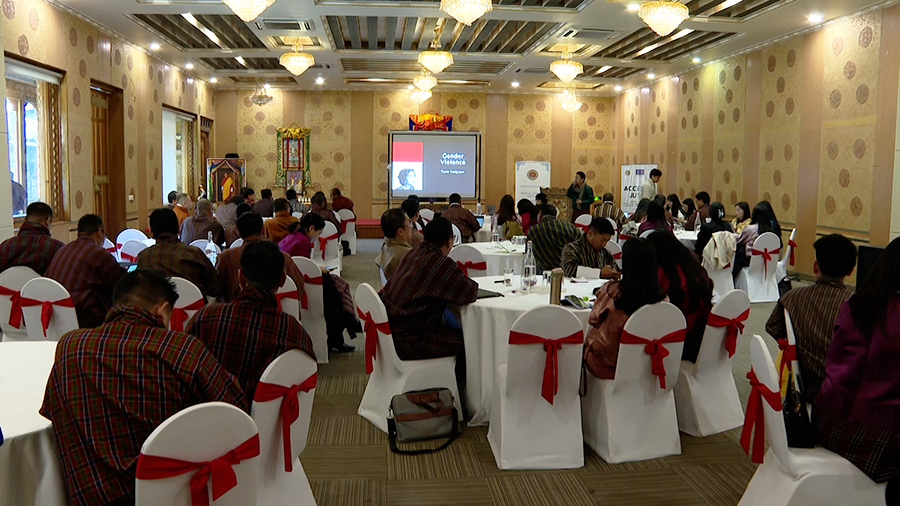
 Legal experts warn that domestic violence involving older couples is often ignored, making it one of the least reported forms of abuse in marriage. At the ongoing Bar Council’s annual general meeting, legal professionals urged courts to use protection orders extensively to provide immediate protection for domestic violence survivors.
Speaking at the Bar Council’s annual general meeting, a judge highlighted that domestic violence in marriages remains the least reported.
Similarly, Sonam Yangden Thai, a senior lawyer, says she rarely receives domestic violence cases involving older couples.
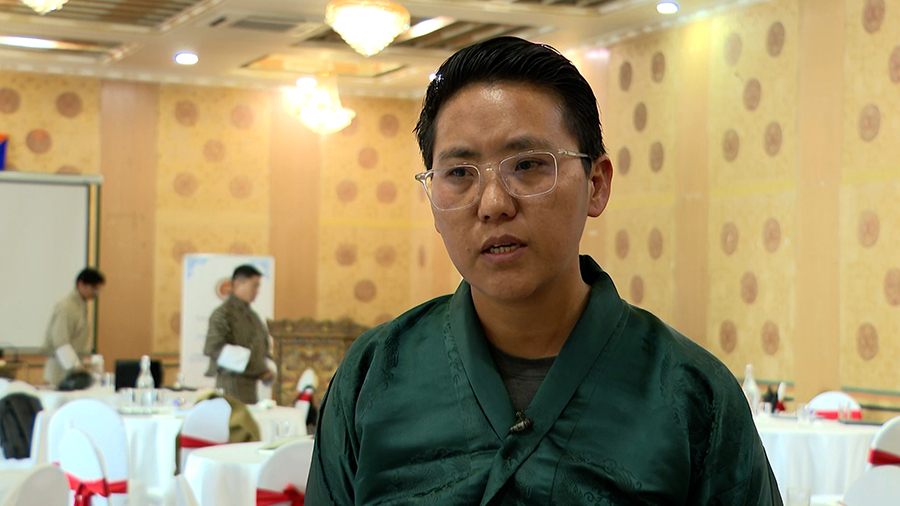
Sonam Yangden Thai said, “If a wife is being abused, there are many factors she must consider before reporting it. For instance, what will she do if her husband is the sole breadwinner on whom she depends? Another concern is that reporting domestic violence as a crime would give the father of her child a criminal record, which could affect their children’s future. I think these factors often discourage victims of domestic violence in marriage from coming forward to the appropriate authorities.”
She says Protection Orders under the Domestic Violence Prevention Act of Bhutan 2013 are critical tools to safeguard survivors in such cases.
According to the Act, a protection order is a legal mandate issued by a court to safeguard individuals within a domestic relationship. These orders are designed to provide a prompt legal remedy to ensure the safety and well-being of victims.
“There are two types of protection orders. The court can issue an interim order, which provides immediate, short-term relief for the victim. Based on the situation, the court may then extend or convert it into a full Protection Order for longer-term safety. The purpose is not to punish the abuser, but to ensure the victim’s safety and protection,” said Sonam Yangden Thai.
While the Police Yearbook 2024 does not provide specific data on domestic violence in marriages, it recorded 426 incidents under the Domestic Violence Prevention Act, accounting for 17.2 per cent of reported cases for the reporting year 2024.
Moreover, the yearbook stated that the act only addresses economic and emotional abuse, adding that cases involving physical and sexual violence are charged under the Penal Code, categorised as battery and other sexual offences, respectively. This means the actual count of domestic violence incidents is higher than reflected in the report, highlighting the urgent need for proactive preventive measures and robust support systems to aid victims.
Legal experts stressed the need for greater awareness of Protection Orders so victims know their rights and authorities can act quickly to prevent further abuse.
Tashi Dekar
Edited by Phub Gyem