
Despite ongoing conservation efforts, the number of black-necked cranes arriving in Bumdeling in Trashi Yangtse, has declined over the past few years. Records show a steady decline in black-necked crane numbers in Bumdeling since 2022.
According to records maintained by Bumdeling Wildlife Sanctuary, 70 black-necked cranes were recorded in 2022.
The number declined to 62 in the following year and 59 last year. It has further dropped to 49 this year, according to latest records.
This riverbank in Bumdeling serves as a winter roosting site for the cranes.
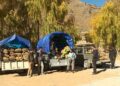
Ahead of the cranes’ arrival each year, local community together with park officials, clear bushes and ensure the roosting area is safe.
A community group, Thrung Thrung Khena Nyamsung Detshen, with around 130 households from Bumdeling, was formed in 2015 to support conservation efforts.
In addition to protecting the cranes, community members also contribute by providing supplementary feed and spreading it in the feeding areas.
The black-necked cranes usually arrive in Bumdeling towards the end of October and migrate back in February.
Singye Dorji from Bumdeling said, “For almost five years, our group members have been collecting feed for the cranes. We have an internal agreement where each member provides around three to four kilogrammes of feed, which we then spread in the cranes’ feeding areas during their stay.”
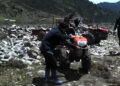
Ugyen Tshering who is also from Bumdeling said, “We do not allow people to move freely in the roosting area, and vehicle movement is strictly restricted. Earlier, we piled up boulders to prevent vehicles from entering the habitat, and now we have also placed notice boards along the way.”
Officials from Bumdeling Wildlife Sanctuary said the gradual decline in black-necked crane numbers is mainly due to the loss and degradation of feeding areas, particularly paddy fields, compared to the 1990s and early 2000s.
They added that infrastructure development, increased human disturbance near feeding sites, and the impacts of climate change have further affected the habitat.
Officials said that the cranes prefer Phobjikha valley, which has extensive natural wetland, compared to the largely man-made wetland in Bumdeling.
Officials said more cranes may still arrive as the winter season continues.
Sonam Darjay, Trashi Yangtse