
 The National Council adopted the review report of the healthcare system yesterday. The report, which proposes eight measures to strengthen the country’s healthcare system, will now be forwarded to the government for implementation. The Economic Affairs Committee presented the review report outlining recommendations focused on managing and retaining human resources, healthcare policies and financing, advancing digital healthcare, and the procurement system, among others.
The recommendations were largely centred around strengthening human resources. The committee proposed revising the existing service obligations for doctors and other health professionals. The committee noted that MBBS graduates enrolling in post-graduate programmes at Khesar Gyalpo University of Medical Sciences of Bhutan have declined over the years, largely due to long years of service obligations.
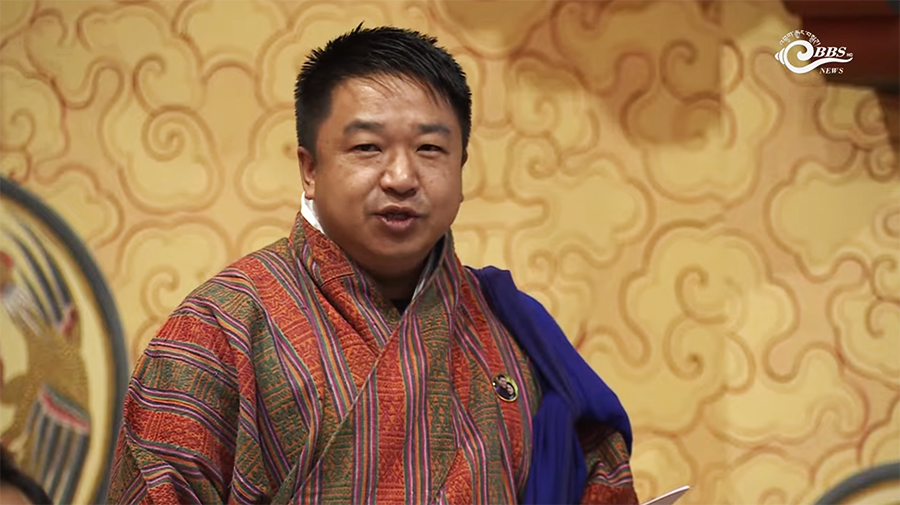 The committee also proposed competitive remuneration packages and career development opportunities, especially for critical healthcare professionals. Committee member Jamyang Namgyal said, “When we talk about retaining specialist doctors and experts in the country, we can only keep them through incentives. It is not feasible to create laws that will restrict them from doing anything. That’s why, even if the pay commission comes in the future, this is a priority to keep them motivated.”
While the house endorsed all these proposals, some members expressed their concerns over how effectively these recommendations would ensure the retention of health professionals.
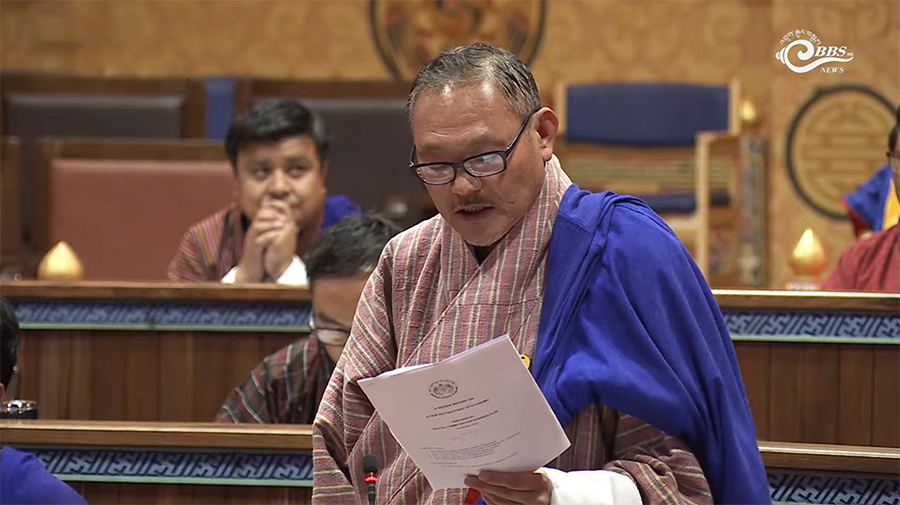 “The highest attrition rate is observed in the health sector, followed by education. Despite providing professional allowances from the country’s already limited resources, many have still chosen to resign. Therefore, when we propose additional professional allowances, how certain can we be that they will remain in service and perform their duties with dedication?” questioned Eminent Member Phuntsho Rapten.
The eminent member also proposed privatising certain healthcare services as an additional recommendation, which the committee approved. “This approach is referred to as sustainable health financing or partnership in health, which involves handing over certain healthcare services to private clinics. If implemented, treatments can be provided within the country, reducing the need for foreign currency expenditure on overseas treatments and creating job opportunities domestically,” said eminent member Phuntsho Rapten.
The house endorsed all seven recommendations of the Economic Affairs Committee along with the additional recommendation submitted by emiment member Phuntsho Rapten. 22 MPs of the 23 present during the deliberation voted in favour of the adoption of the review report.
Singye Dema & Namgay Dema
Edited by Phub Gyem