
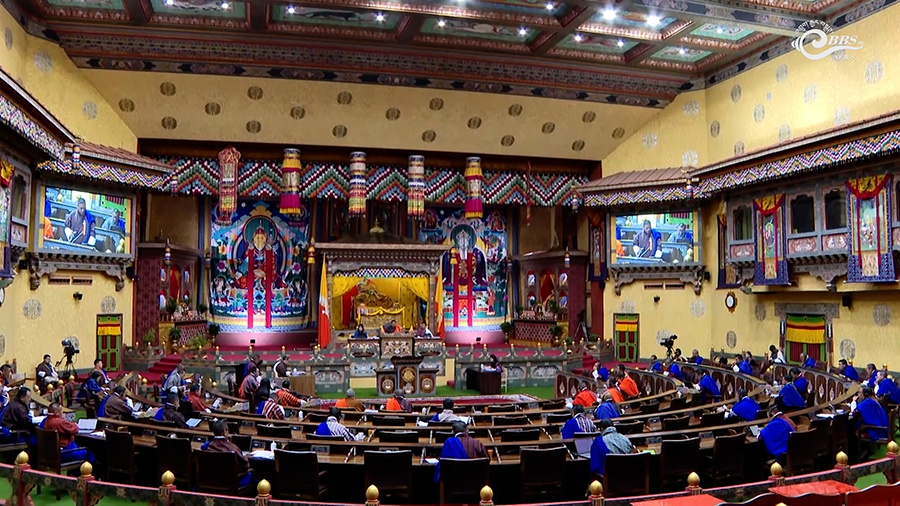
 Bhutan’s tourism sector is struggling to regain momentum. A review report by the National Assembly’s Economic and Finance Committee shows that frequent SDF changes, revenue leakage and weak regional distribution are hindering tourism growth. The committee has provided nine recommendations to restore stability and revive the tourism industry.
The tourism policy review report highlighted that the frequent revision of the Sustainable Development Fee has created uncertainty in the market.
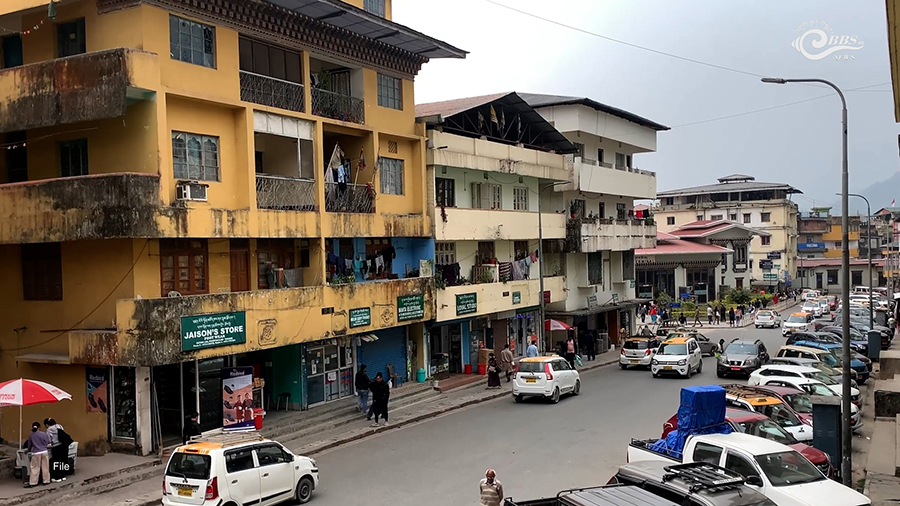
The committee said border towns continue to struggle as the current 24-hour SDF waiver has failed to boost local businesses. To fix this, they recommended extending the waiver to 72 hours or three days to encourage overnight stays and stimulate hotel and restaurant activity.
The report also points to revenue leakage due to the liberalized booking system, which allows tourists to arrange travel directly through foreign platforms, bypassing local operators.
To address this, the committee recommended reviewing the Tourism Levy Act 2022.
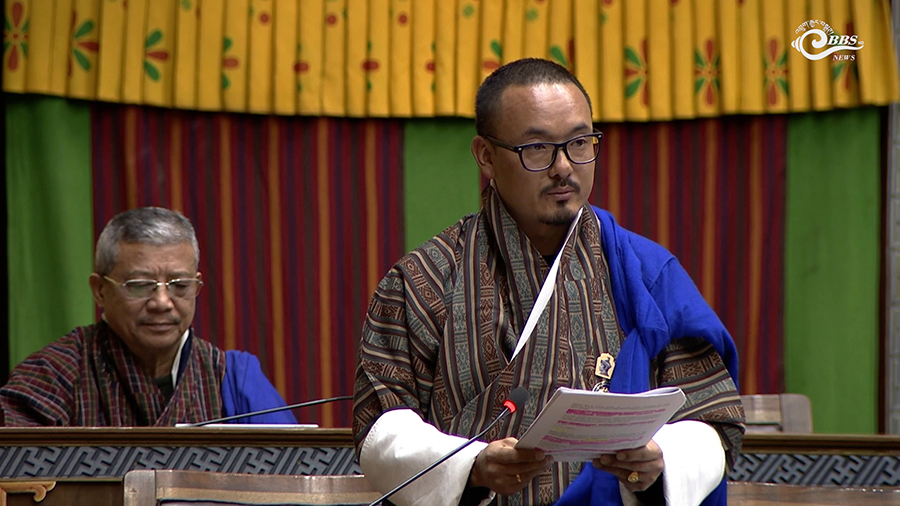
Kuenzang Thinley, the Deputy Chairperson of Economic and Finance Committee said, “We recommend reviewing the Act and making it more comprehensive by clearly defining institutional roles, pricing instruments, licensing processes, regional development guidelines, and governance and accountability mechanisms.”
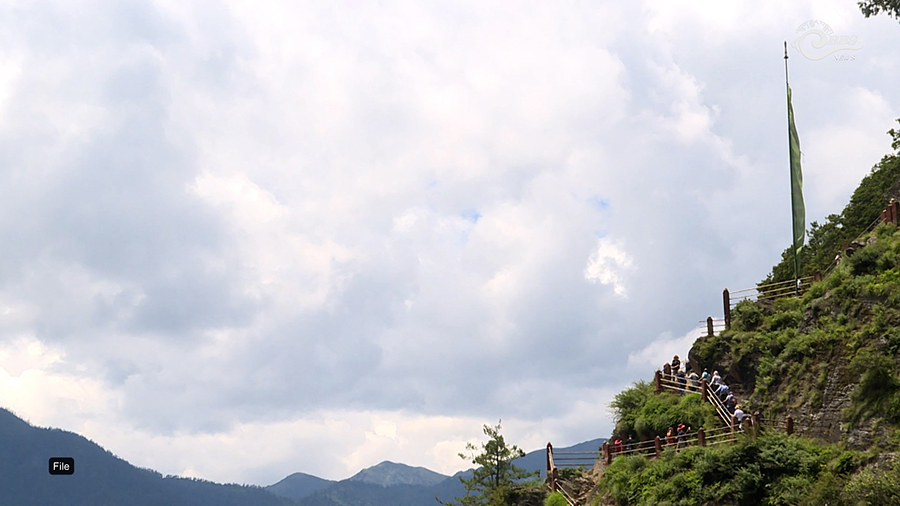 Another issue is the uneven regional distribution, where more than 95 per cent of tourism activity is concentrated in western districts. Central and eastern regions continue to see limited impact due to infrastructure gaps and low number of visitors.
The deputy chairperson said, “We recommend developing targeted programmes to diversify Bhutan’s tourism offerings. Participation by artisans, home stays, and community-based tourism should be strengthened through tailored incentives and capacity-building initiatives.”
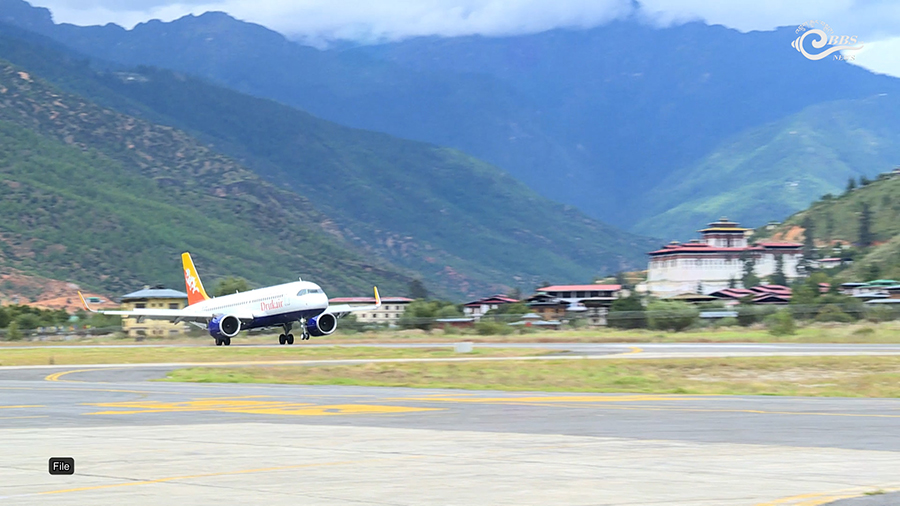 The report also found that the current three-tier airfare pricing system, which charges different rates for Bhutanese, SAARC, and other tourists, creates confusion and discourages international tourists who already face high travel costs.
The committee is now recommending airfare rationalisation.
Kuenzang Thinley, Deputy Chairperson, Economic and Finance Committee said, “We recommend the adoption of a uniform airfare rate irrespective of nationality to improve tourist arrivals. This should be done in collaboration with the airlines.”
Despite the challenges, the committee remains hopeful that its recommendations will help build a more resilient, equitable, and competitive tourism industry.
Deki Lhazom