Bhutan’s sheep population has dropped, while goat farming continues to struggle with poor breeds, limited fodder and low productivity. The decline is now raising concerns about food security. As the country looks for ways to revive both sectors, the Department of Livestock is meeting experts from across the SAARC region to find solutions.
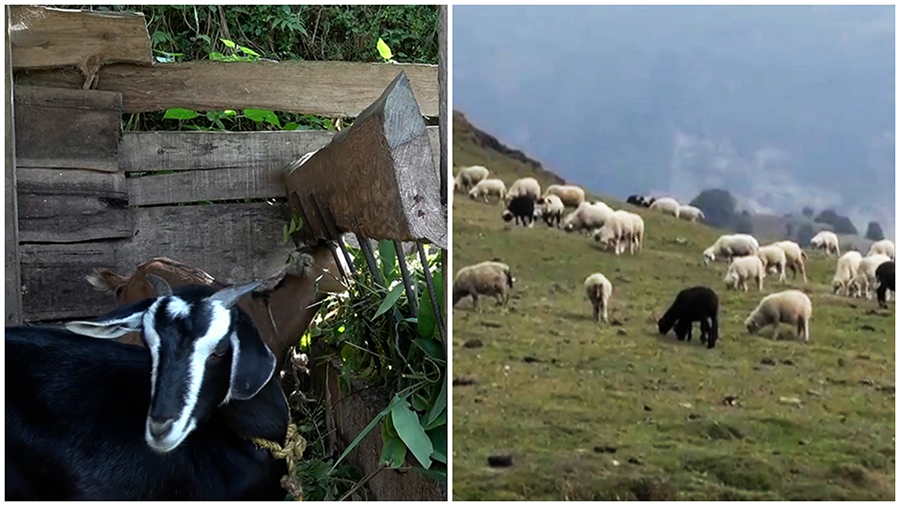 Sheep and goats have long supported rural livelihoods in Bhutan, providing meat, milk and extra income. But fewer and fewer farmers are rearing them. Bhutan now has fewer than 10,000 sheep and around 53,000 goats.
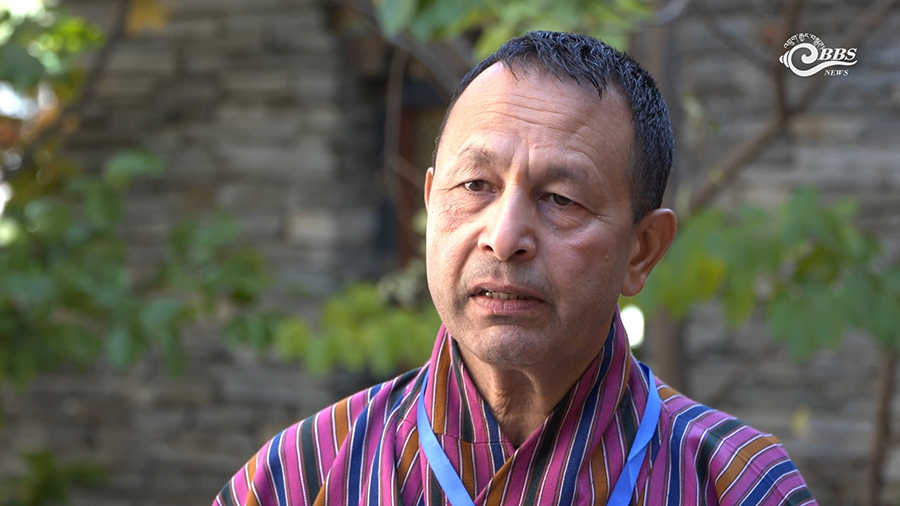
Dr Min Prasad Timsina, Specialist, Department of Livestock, Ministry of Agriculture and Livestock, said predation by wild animals and declining fodder are among the reasons for the decline. “More importantly, the genetic resources have also been deteriorating because we only have a native sheep breed, and we could not introduce improved sheep breeds in order to increase productivity.”
Bhutan has four sheep breeds, all of them indigenous. Farmers rear them mainly in the central and southern regions.
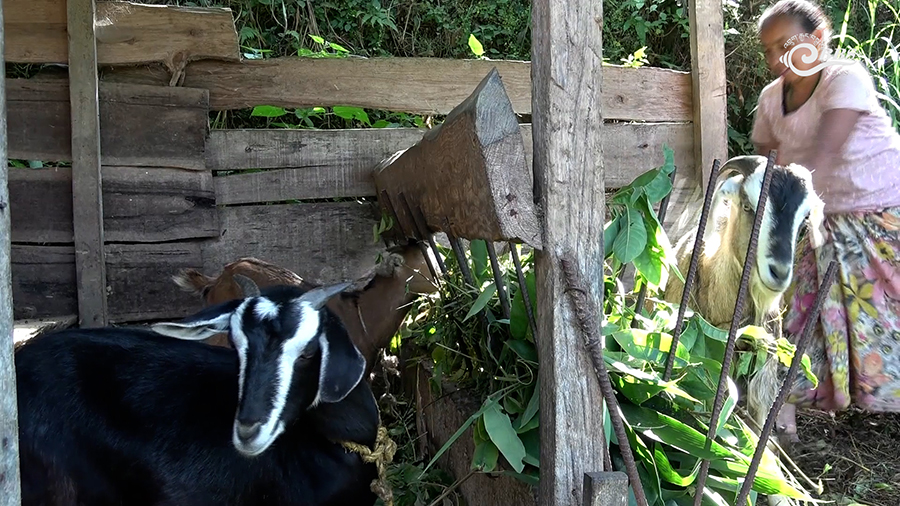 Goats are a different story. The country has no distinct indigenous breed, and most farmers keep the small Black Bengal, which limits meat production. To encourage farmers, the department imported nearly 100 Beetal goats from India in 2016 and 2017. But more than 30 of them died from climate-related diseases and old age.
The department now plans to introduce improved breeds, increase fodder supply and strengthen animal health services.
These challenges are not unique to Bhutan. Livestock farmers across South Asia face similar challenges.
 At the two-day SAARC regional workshop on “Small Ruminant Value Chains for Food Security”, experts also called for stronger breeding programmes, wider vaccination coverage, and better technical and financial support for farmers.
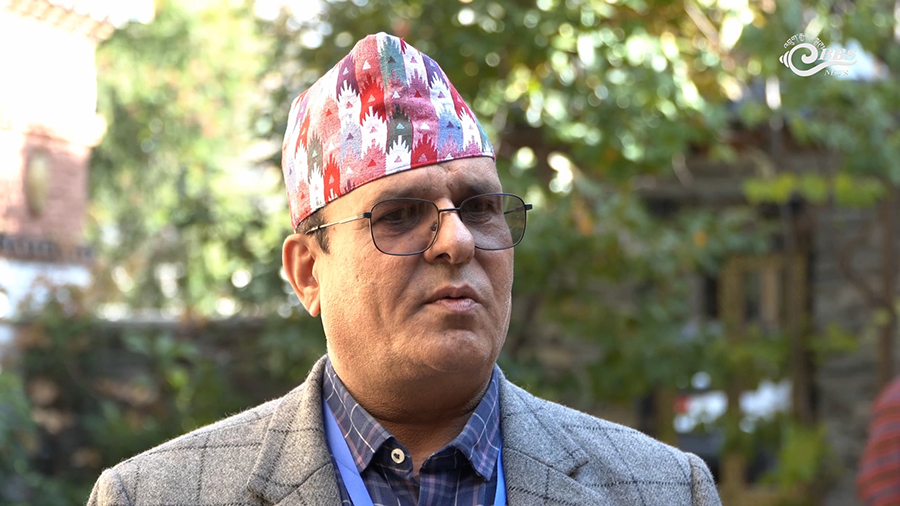
“Research and innovation is one area. Strengthening farmer organisations is another area. Making farmer-friendly, smallholder-friendly policy is another area. So in these areas we can work together, and we can bring changes for the smallholder farmers of the country,” said Tirtha Raj Regmi (PhD), the country director of Heifer International, Nepal.

Md. Younus Ali (PhD), Senior Programme Specialist, SAARC Agricultural Centre, Bangladesh, said sheep and goats are a main instrument for reducing poverty, and that farmers especially need good breeds, vaccination, feed and technical support. “If you provide that support, I think farmers’ income will increase, and poverty will also be reduced.”
Experts also stressed the need to link farmers directly to markets. Fragmented supply chains and middlemen, they said, often reduce the prices farmers receive.
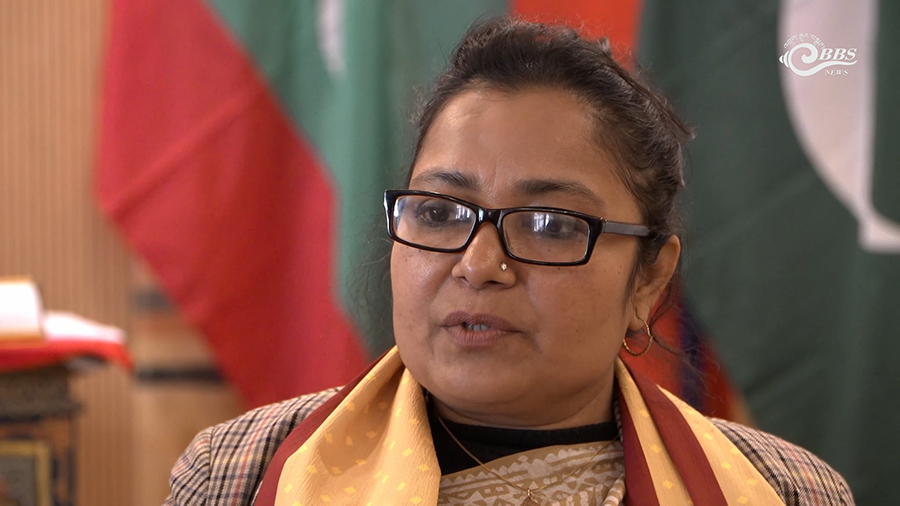
Baby Rani Karmakar, Joint Secretary, Ministry of Fisheries and Livestock, Bangladesh, said some farmers keep four or five goats in small sheds, and this can become part of rural life while creating employment and encouraging entrepreneurship. “To achieve this, farmers need support to improve their services and sustain production along the small ruminant value chain.”
For Bhutan, the road to reviving sheep and goat farming will take better breeds, more fodder and stronger animal health care. With lessons from its neighbours, the department hopes to give farmers a reason to stay in the business.
Anita Chhetri
Edited by Sangay Chezom