
If you are planning to attend the raising of the 108 Jangchub Chorten and fear running into elephants during your stay, forest officials say you can rest assured. Teams have been deployed across key areas to monitor wildlife movement and help prevent potential human-elephant encounters.
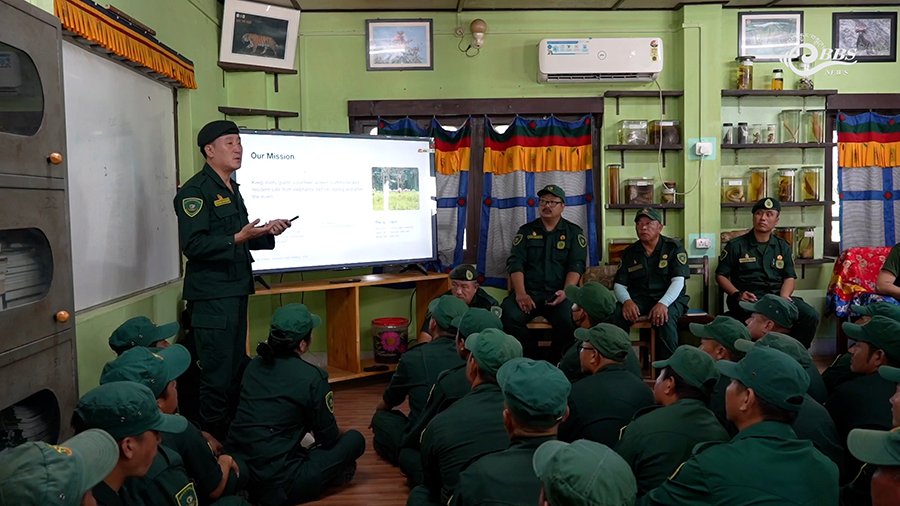 A total of 125 forest officials are deployed across 17 areas. They monitor elephant movements, share information on sightings and coordinate responses based on GPS collar data.
According to officials, areas west of Gelephu towards Samtenling and the Chhuzergang corridor are among those where elephants are frequently sighted. Past human-elephant conflict records also show clusters around Gelephu town.
To manage potential risks, officials have classified areas into three zones, green, amber and red, based on their level of risk. This allows teams to adjust their presence and monitoring according to requirements.

Phub Dhendup, Chief Forestry Officer at the Divisional Forest Office in Sarpang, said, “With the number of visitors to Gelephu expected to increase, the likelihood of human-elephant interactions is also expected to rise. We surveyed the entire landscape and used GPS collar data, along with records of human-wildlife conflicts, to identify and map hotspot areas.”
Officials have also strengthened early-warning measures to track elephant movements more closely. GPS collar updates for elephants in high-risk areas are now being received every ten minutes, giving teams more frequent information on where the animals are moving.
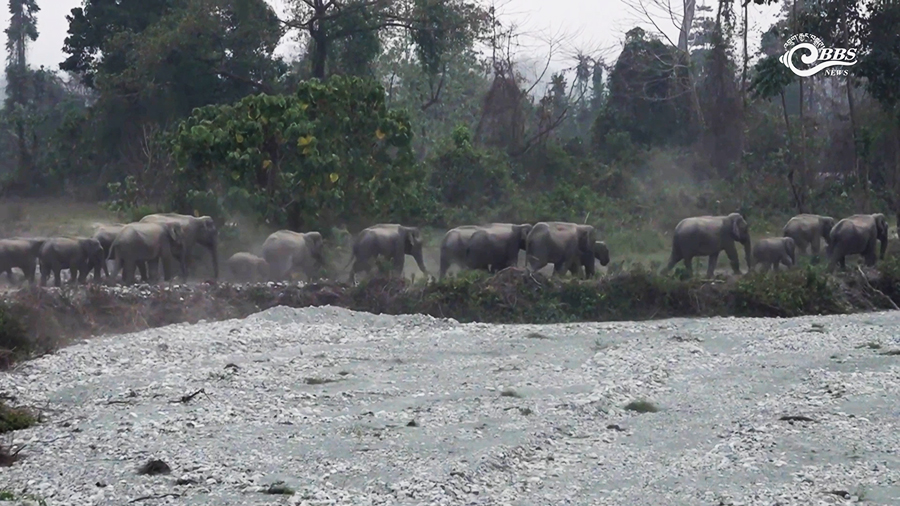 Officials say elephant numbers in the area have not increased significantly. However, they stress that continued monitoring is important as human activity intensifies during the event period.
Besides monitoring elephant movements, officials are also working to improve habitats away from settlements, encouraging elephants to remain in areas where the likelihood of human encounters is lower.
“We have enhanced the terrain and carried out enrichment planting, whereby we try to enrich the habitat with salt licks, water holes and the plantation of palatable species. We also plan to supply some of the most preferred fodder, Karma Feed, which the elephants really like, in far-flung areas away from settlements. We are going to try to attract the elephants towards those areas so that interactions with visitors coming here can be minimised,” said the Chief Forestry Officer.
While forest teams monitor wildlife movements, public cooperation remains crucial. Visitors and residents are urged to dispose of waste properly, as discarded food can attract elephants into settlements and areas frequented by people.
People are also advised to remain alert near wildlife crossings and avoid areas where elephant activity has been reported, particularly at dawn and dusk, when encounters are more likely.
Officials caution the public against approaching, chasing or surrounding elephants, or attempting to photograph them at close range. Any sighting near the event area or along routes used by attendees should be reported immediately so response teams can assess the situation.
“The immediate step anyone should take upon encountering an elephant is to call 108. Forest rangers are stationed in the control room, and the quick response teams deployed in the area will be activated immediately. They will respond to the situation, assess the risk and take the necessary steps to de-escalate the situation and ensure public safety,” Phub Dhendup added.
As thousands gather for the 108-stupa event, the priority is to keep attendees safe while minimising disturbance to the wildlife that shares this landscape. Forest teams are already on the ground, but public cooperation and timely reporting of elephant sightings will be just as important in protecting both people and elephants.
Tashi Dekar
Edited by Phub Gyem