
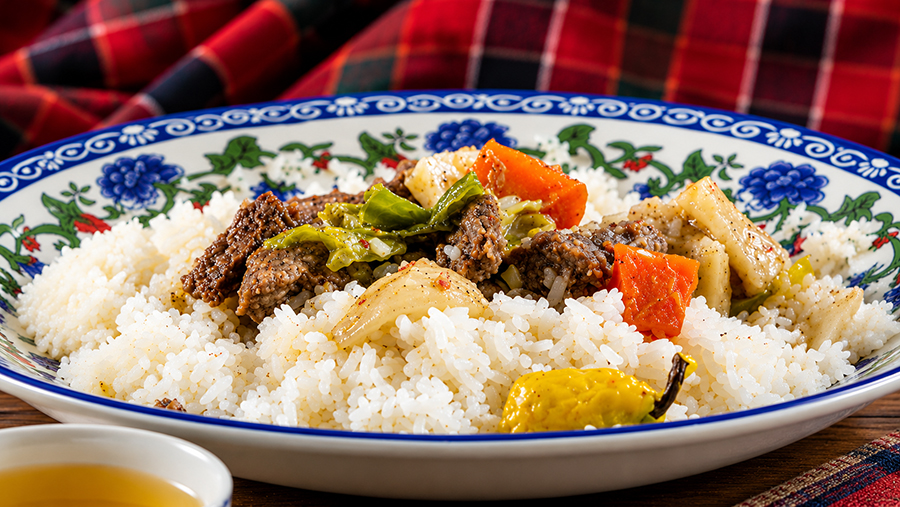
 What you eat today could raise your risk of developing a lifelong disease in the coming decades. Health experts identify unhealthy diets as a major risk factor for noncommunicable diseases (NCDs), including diabetes, heart disease and some cancers.
Unhealthy diets are not only about eating too much or eating too many snacks. They also include consuming too much salt, sugar and unhealthy fats.
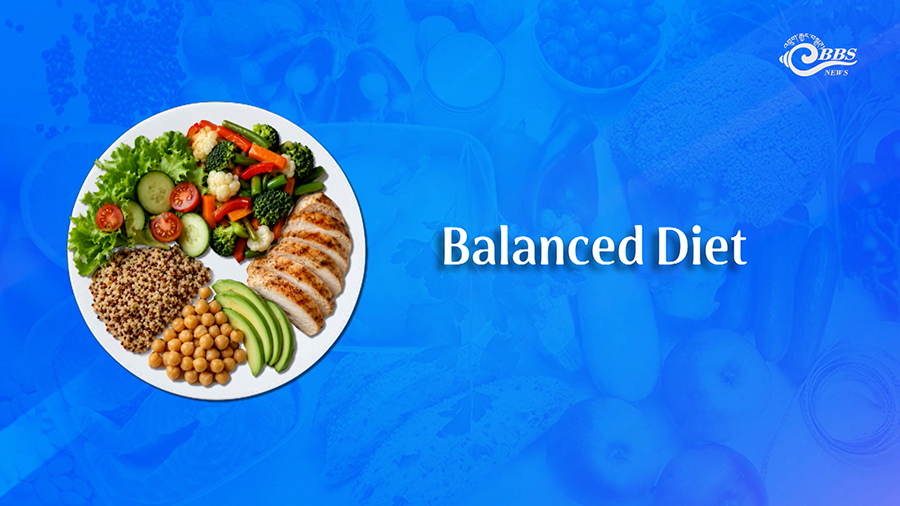 A balanced meal should include plenty of vegetables and fruits, whole grains, and protein-rich foods such as eggs, fish, meat, beans or lentils.
However, nutritionists say Bhutanese especially lack dietary diversity.
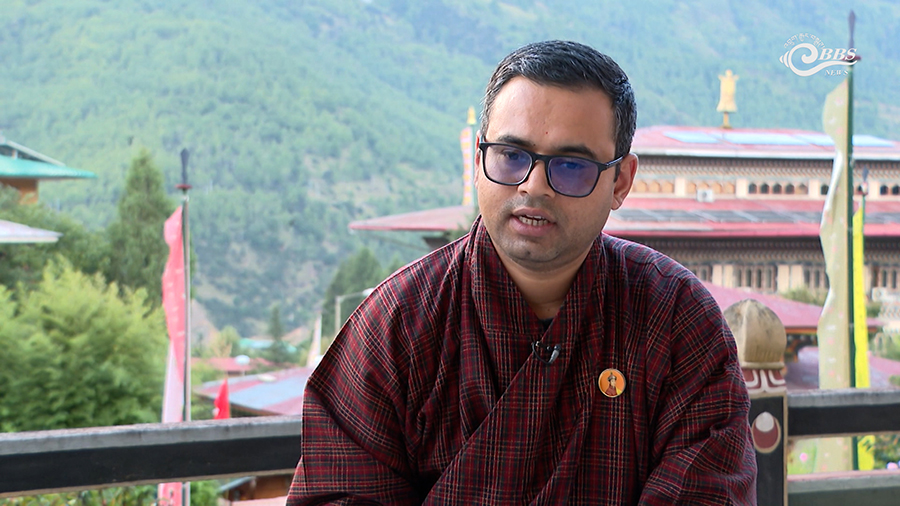
“We have seen that the food pattern remains fairly homogeneous across all sections and dietary diversity remains a big problem, with carbohydrates being the most consumed food item and limited consumption of fruits and vegetables and limited consumption of meat and other animal food items,” said Hari Prasad Pokhrel, Nutrition Specialist at the Ministry of Health.
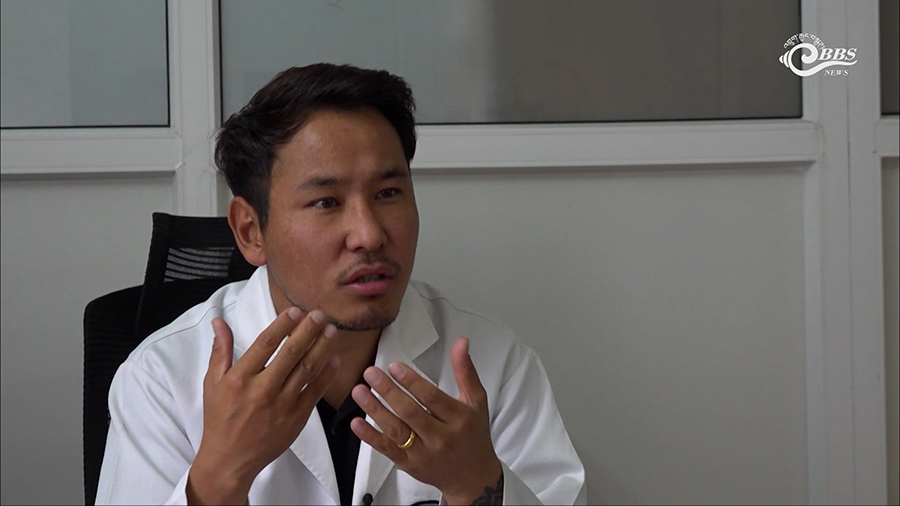
Tenzin Wangchuk, Clinical Dietician and Head of the Department of Nutrition and Dietetics at JDWNRH, said many people do not consume enough protein-rich foods such as meat, fish, eggs, cheese, curd, chickpeas and pulses. “This can lead to deficiencies in essential nutrients needed to strengthen our blood, bones, and provide vital minerals and vitamins for our eyes and brain,” he said.
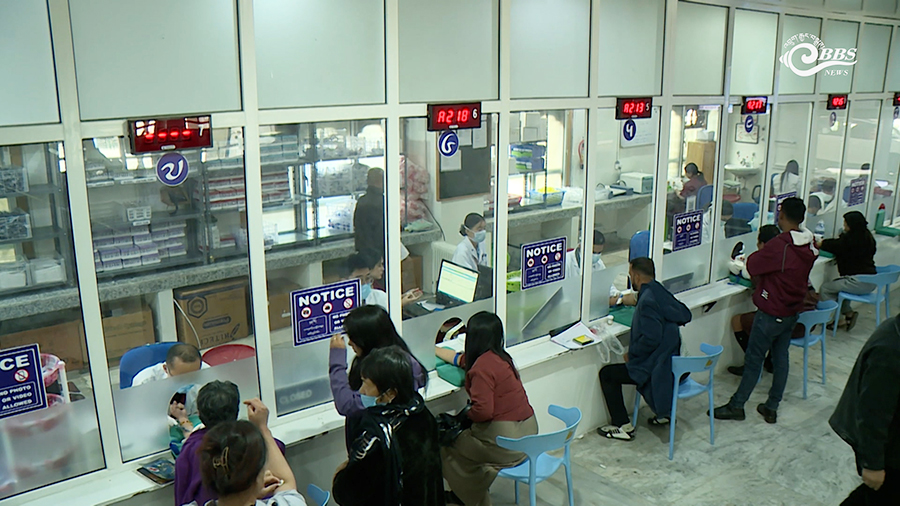 These dietary habits can increase the risk of NCDs, which often develop over many years.
NCD indicators on the rise
According to the National Health Survey:
- The prevalence of reported high blood pressure increased from 28 per cent in 2019 to 30.1 per cent in 2023.
- The prevalence of raised blood sugar among people aged 18-69 years increased from around 2 per cent to 5.8 per cent.
- The share of people aged 40-69 years with a 30 per cent or higher risk of cardiovascular diseases rose steadily from 4.9 per cent in 2019 to 6.2 per cent in 2023.
The Ministry of Health says that if the trend continues, it will put more pressure on the health system to treat and manage these diseases.
“Chronic conditions require lifelong attention. If it is an infectious disease, you may get hospitalised, get treated, and you recover and then you are okay. But when you get a non-communicable disease, you have this condition for life, and it requires lifelong attention,” said Hari Prasad Pokhrel.
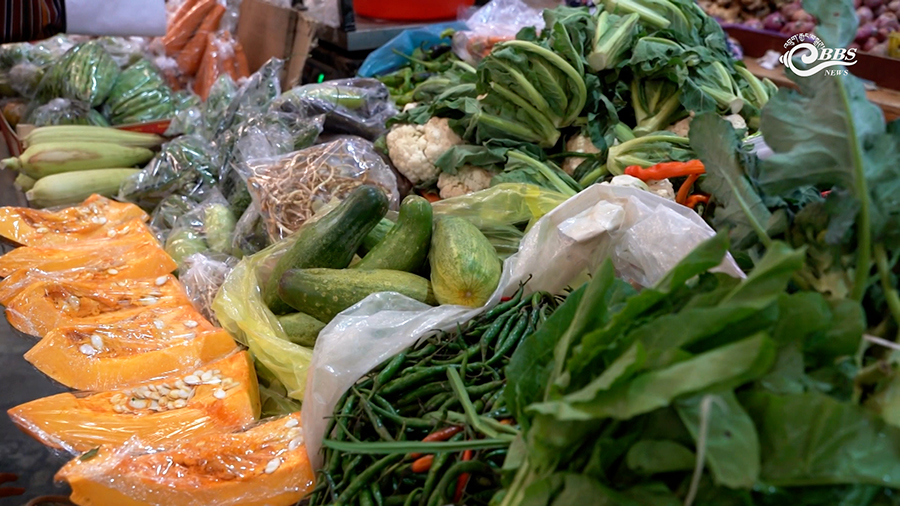 He added that the Ministry is working with the Ministry of Agriculture and Livestock to improve dietary diversity by increasing the production and availability of cereals, fruits and vegetables. It is also improving storage facilities and market linkages to make food more affordable throughout the year.
Health experts say families, schools and health services play a key role in promoting healthier food choices. Simple steps, such as eating more fruits, vegetables, whole grains and protein-rich foods, can make a difference to your health today and in the decades ahead.
Singye Dema
Edited by Sangay Chezom
This news story is produced in partnership with the Ministry of Health and UNICEF.