
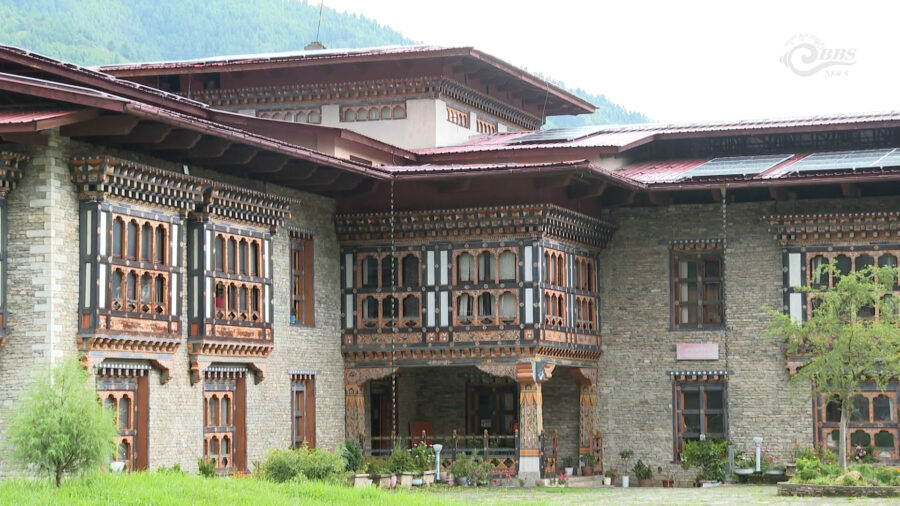
 Someone drops a bank account number in a group chat with a voice note saying it is to raise funds for a temple construction project. Within minutes, people start transferring money and sharing screenshots of their contributions. This is how some donation drives, particularly for religious and cultural activities, are now being organised through messaging apps. But existing rules do not recognise these platforms for such drives. The Commission for Religious Organization and the Department of Culture and Dzongkha Development say donation drives require prior approval and are subject to reporting and monitoring.
Fundraising happens quite often, and without approval, on Telegram, WhatsApp, WeChat and other messaging apps, despite existing rules not allowing organising such drives on social media.
To raise funds for religious projects, the Commission for Religious Organization has to verify the proposed project before granting approval.
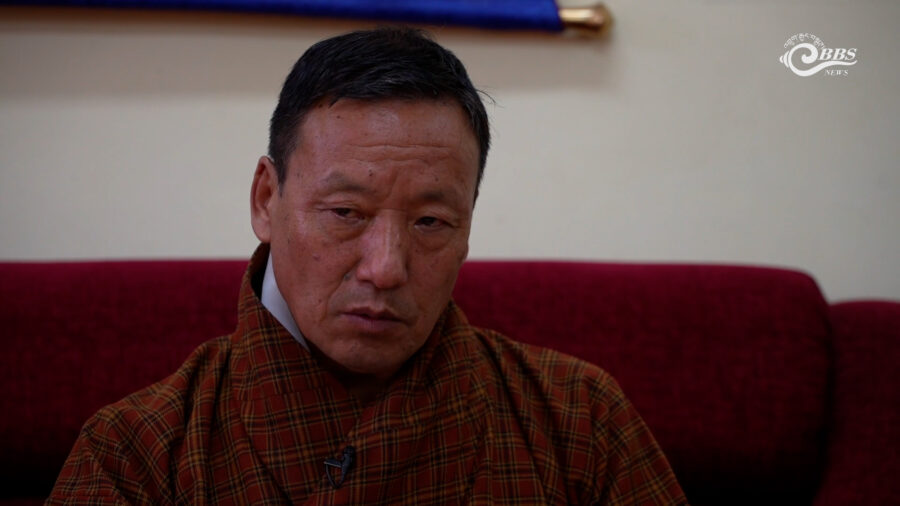
“Firstly, the project needs to have an estimated cost. Based on the estimated cost of the project, we give them approval to collect the amount. We give them a six-month period to collect the money. After the six months, we ask them to submit a report within a month on how much money has been collected. Then, after the initial report, we also ask them to submit another report six months after collecting the money. Then we see if they have used the donated money for the intended purpose,” said Sangay Dendup, Chief Programme Officer of the Commission for Religious Organization.
Fundraisers must also submit receipts and other financial records showing how the funds were collected and spent.
“Once a religious organisation is registered with us, it must operate in accordance with the rules and regulations and the Act we have. If a donation drive is conducted without approval and comes to our attention through a complaint or report, action can be taken in accordance with the relevant laws and regulations. This may include requiring the funds collected to be refunded or, in certain circumstances, transferring the funds to the government,” added Sangay Dendup.
There are around 116 religious organisations registered with the Commission. Only one currently holds approval for a donation drive.
The Commission says it is mostly unregistered individuals or groups conducting donation drives without approval, and a lack of awareness may be one reason this is happening.
For cultural projects involving individuals or groups not registered under the Commission, approval is handled by the Department of Culture and Dzongkha Development.
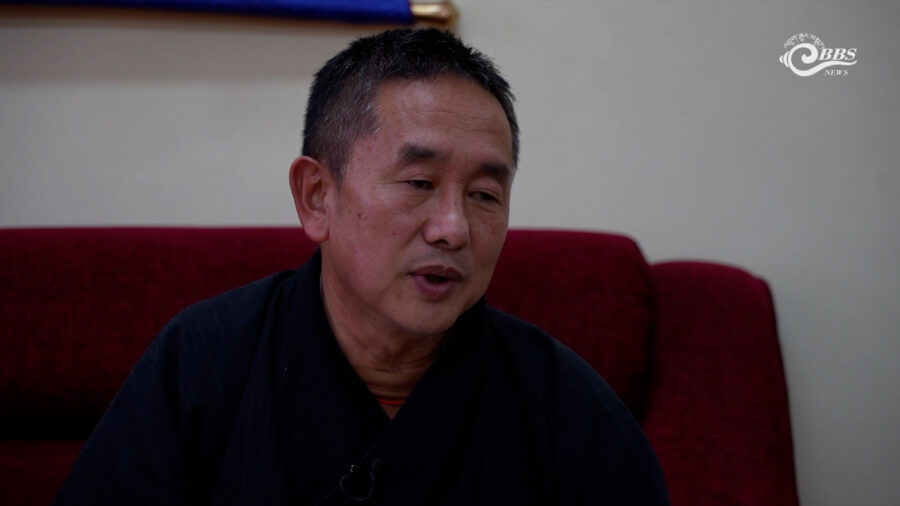
“In general, donation drives are done by the agencies. These are the CSO, Department of Law and Order, Commission for Religious OrganiZation and the Department of Culture and Dzongkha Development. The Department of Culture and Dzongkha Development permits those donation drives which are culture-related, specifically to those who are not registered under the Commission for Religious Organization,” said Singye Samdrup, Culture Specialist with the Department of Culture and Dzongkha Development.
The Department says it also examines the agreement between the person or group initiating a project and those carrying out the work, particularly for statues and other cultural structures. This is to ensure the work is carried out by people with the necessary experience and meets the required standards.
“When it comes to monitoring, we ask for a report on whether the project is completed or not. If it is not completed, we give them an extension of time to complete the project. If the project is completed, we check whether the money has been used for the intended purpose. We have a group that monitors it,” added Singye Samdrup.
The Department has so far approved six donation drives by unregistered individuals or groups between January and August this year.
But monitoring becomes more complicated when fundraising moves online. The Department is clear that social media is not recognised as an officially approved platform for organising a donation drive under existing rules.
“According to the donation policy, social media is not the officially approved platform to conduct a donation drive. If the donation drive gets our approval and they use social media as a platform to conduct the donation, we will stop the drive. We do not legally accept the platform,” said Singye Samdrup.
In 2019, the Commission for Religious Organization issued a circular asking people to refrain from using social media platforms for donation drives.
With donation drives increasingly moving online, the challenge for regulators is not only determining whether a campaign has been authorised, but also whether the existing rules are equipped to regulate fundraising on platforms they do not recognise.
Sonam Yuden
Edited by Phub Gyem