
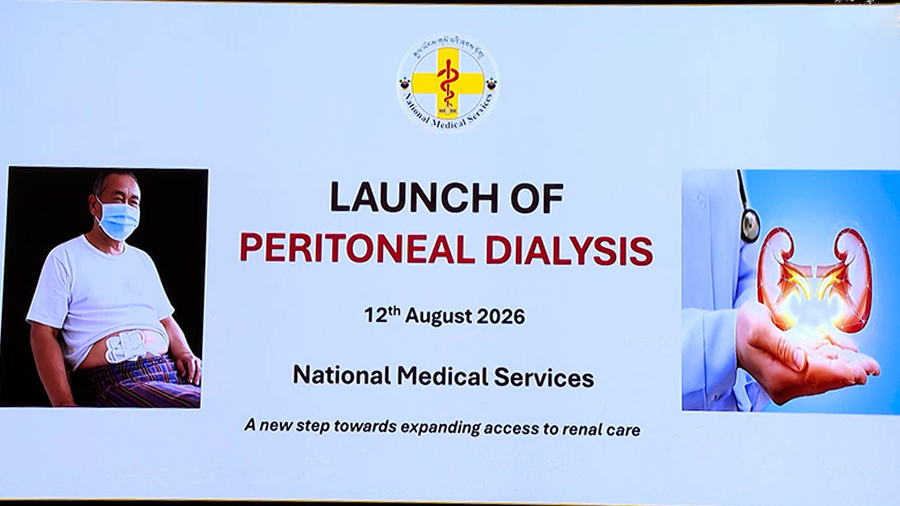
 Kidney patients in the country can now undergo dialysis from the comfort of their home, at a lower cost. Peritoneal Dialysis, or PD, was launched in the capital today, offering an alternative to hospital-based haemodialysis. According to the health ministry, there are over 450 patients with kidney failure in the country who require dialysis.
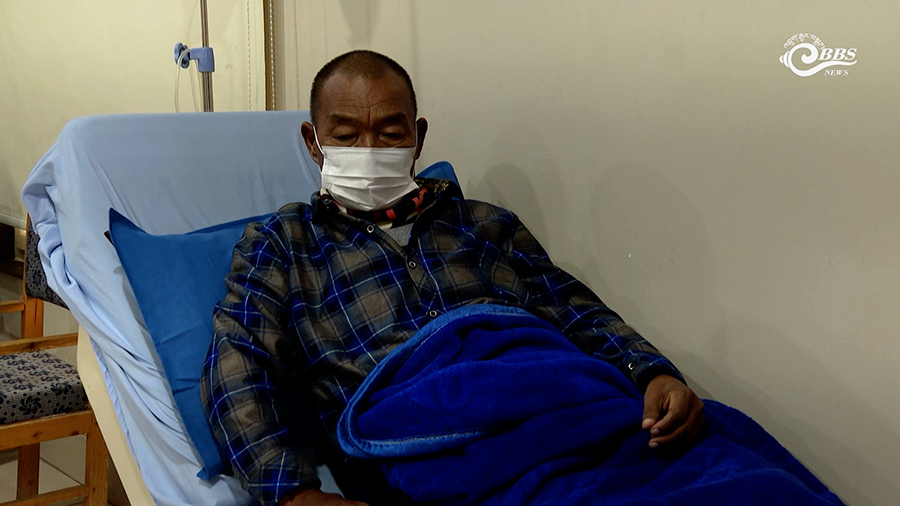
70-year-old Rinchen Choygal is one of the first two patients to undergo surgery for peritoneal dialysis. He has been travelling from Serzhong to Central Regional Referral Hospital in Gelephu for the past nine years, making the journey two or three times a week. It takes about an hour to reach the Central Regional Referral Hospital in Gelephu from Serzhong.
He said PD will save him both time and the cost of travelling.
“If I don’t have a vehicle, I have to commute by taxi or sometimes even by bus. PD will make a significant difference, as it used to take a lot of time. Now, we can do dialysis at home ourselves, which will be much more convenient.”
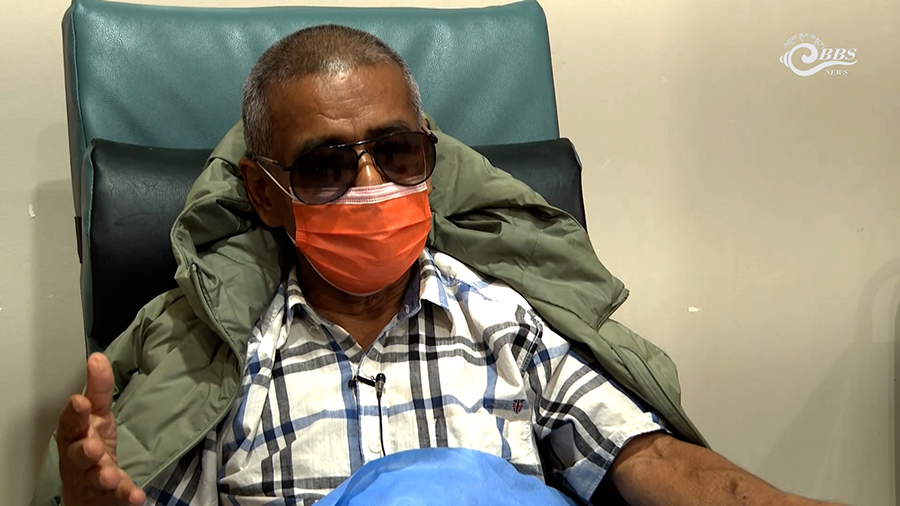
69-year-old Mohan Prasad Gurung is another patient who underwent the procedure.
“Before, they said I could do this only abroad. But if I do it there, it will cost a lot of money, more than 300,000 ngultrum. When I heard that the service is available here in the country, I decided to do it. I found that the procedure was much more comfortable.”
The Bhutan Kidney Foundation, a civil society organisation, says PD can ease many of the challenges faced by kidney patients, particularly those who have to travel long distances for regular dialysis.
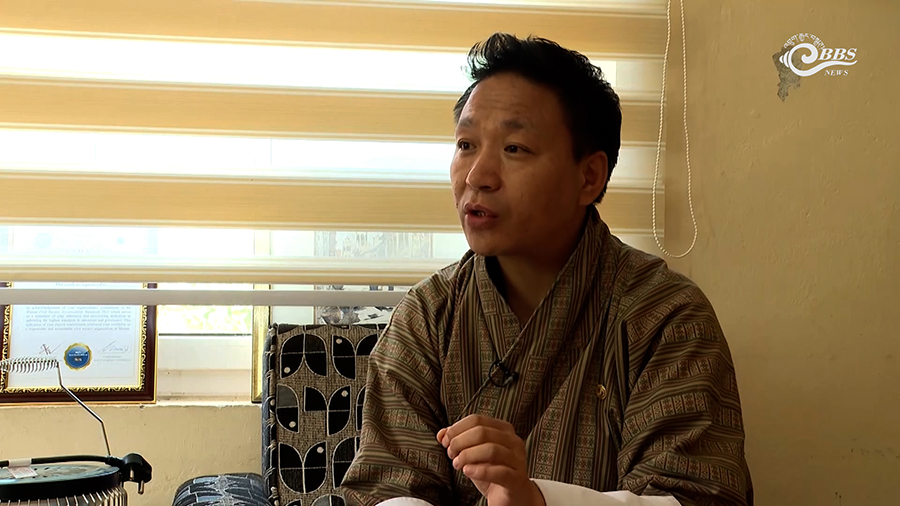
”They can stay closer to their families with this opportunity. They can even avoid mental health issues. Until now, when they undergo dialysis, they have to search for a place to stay, so we had to establish shelter for them. When they don’t have money, it’s harder for them to travel for dialysis. This will solve many problems for us,” said Tashi Namgay, Executive Director, Bhutan Kidney Foundation.
Haemodialysis is currently available in eight hospitals, requiring patients to travel to these centres. PD, however, can be done at home. It uses the lining of the abdomen to clean the blood.
First, a small tube called a catheter is placed in the abdomen through minor surgery. The wound takes about two weeks to heal before dialysis can begin. A special dialysis fluid is then put into the abdomen and left there for a few hours. The lining of the abdomen absorbs waste and extra fluid from the blood. The used fluid is then drained out and replaced with fresh fluid. This process is repeated several times a day, depending on the patient’s condition.
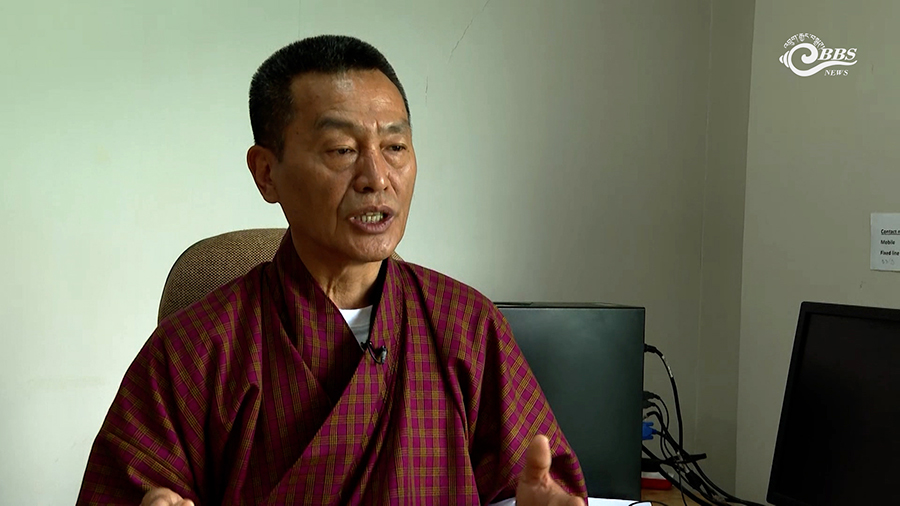
“Depending on how much residual function your kidney has, the prescription of the number of sessions will depend on it. So if someone is having residual renal function like around 10 to 12 residual kidney function, 10 to 12 percent, then we need fewer exchanges; that means maybe 2 to 3,” said Dr Minjur Dorji, Nephrologist, JDWNRH.
He added that PD is gentler on the body and gives patients more freedom to move around. However, the service will not be available to those with certain medical conditions.
According to the National Medical Services, this service was previously unavailable due to a shortage of trained professionals. However, ten professionals were recently trained in Thailand on PD.
The health minister said the government plans to make the service available in all the gewogs.
With kidney and other non-communicable diseases on the rise, authorities say expanding PD will help decentralise healthcare and bring dialysis closer to patients and their families.
Singye Dema
Edited by Sonam Pem