
Breastfeeding is often spoken about as a mother’s responsibility. But for many women, especially in the first weeks after childbirth, breastfeeding can come with pain, exhaustion, sleepless nights and emotional strain. The support a mother receives from her husband, family, health workers and those around her can make that difficult period a little easier. This year’s World Breastfeeding Week highlights that support as part of a “warm chain” around every mother.
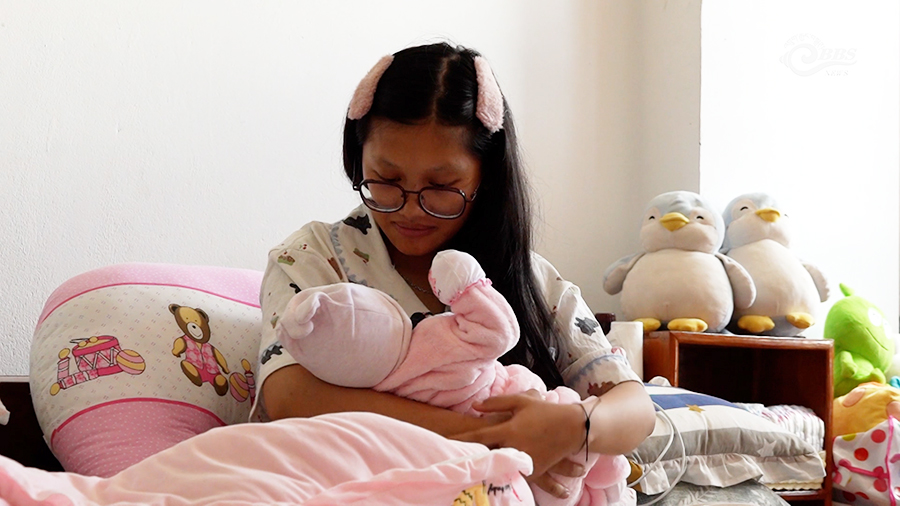
For 23-year-old Tshering Lhamo, becoming a mother for the first time was not quite what she had imagined. The joy of holding her baby came with pain, exhaustion and uncertainty.
After a C-section, even something as basic as sitting up to breastfeed became difficult.
Tshering Lhamo said, “At first, I couldn’t feed the baby well. It was tough for me. I couldn’t stand up. I couldn’t even sit and feed the baby.”
There was another worry. She felt she was not producing enough milk. “It was also hard for me as the milk production was not enough. But as time progressed, I adapted to it. But it was a very painful experience.”
Childbirth triggers major hormonal shifts. Researchers say oestrogen and progesterone levels drop sharply after delivery, while prolactin and oxytocin, the hormones that drive milk production and release take over. At the same time, she’s recovering from surgery or labour, learning to breastfeed, and running on almost no sleep. Together, these changes can hit her both physically and emotionally.
For Tshering, the people closest to her carried her through those days.
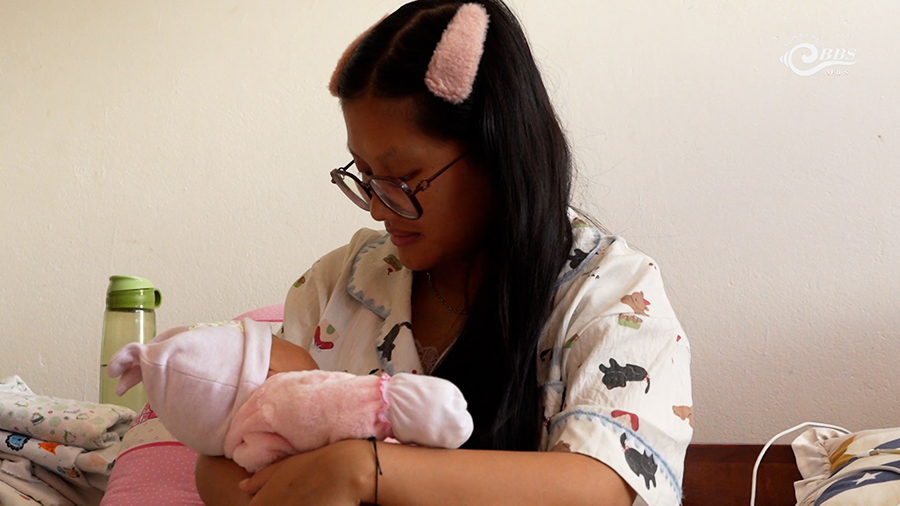 She said, “I had good support from my husband and my mother. They were with me throughout this journey. Had I not been with them, I wouldn’t have made it this far. I am very grateful to them.”
For 33-year-old Sangay Wangdi, supporting his wife means understanding that breastfeeding may be her role, but caring for their baby is a shared responsibility.
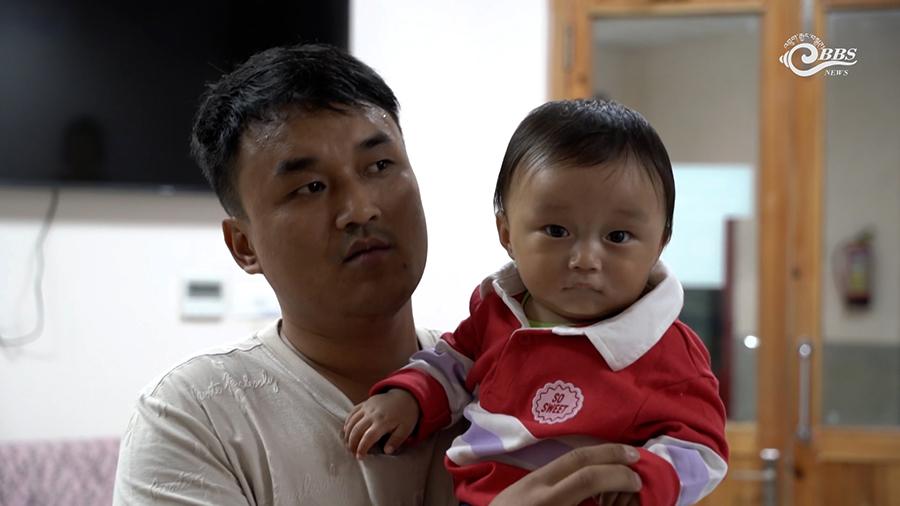
“It is my first child, and I feel that it is an equal responsibility for both parents to cater to the baby. When my wife is tired with the baby, I keep the baby with me. When she is breastfeeding, I give them the full time to bond and help my wife do other household chores such as washing clothes, changing diapers and all,” he said.
Sometimes, support can be as simple as taking the baby for a while. It can be doing the dishes, preparing a meal or changing a diaper. And sometimes, it is simply giving a tired mother the space to rest. Because while only a mother can breastfeed, doctors say she should not have to carry everything else alone.
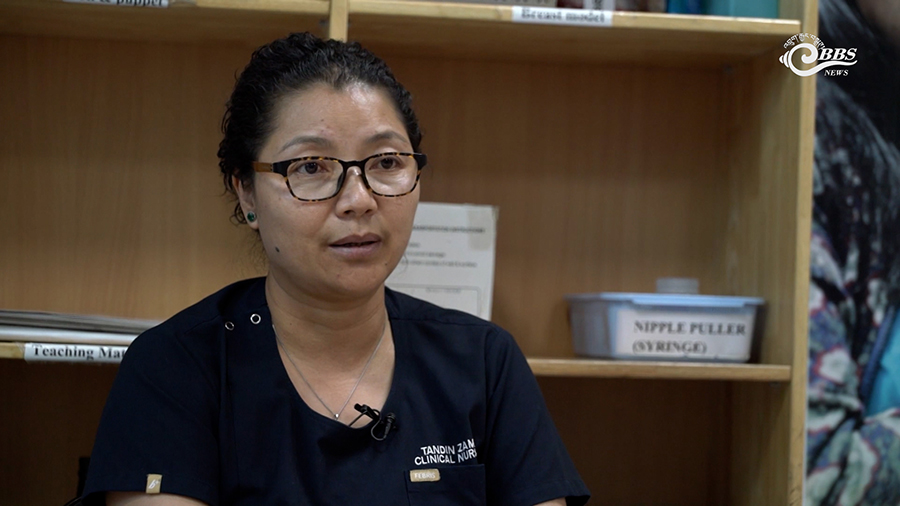
“Since she has gone through a lot of hormonal changes, her role is changing,” said Tandin Zam, a lactation consultant at the JDWNRH. ”
Similarly, the father’s role also changes. So, if he can support her with household chores, such as cooking, doing the dishes or changing the baby’s diaper, that also helps the mother a lot.”
Support, she says, is not simply about making the mother’s day easier. It can give her time to rest, recover and cope with the emotional demands of caring for a newborn.
Doctors say stress, exhaustion and lost sleep can undermine breastfeeding itself.
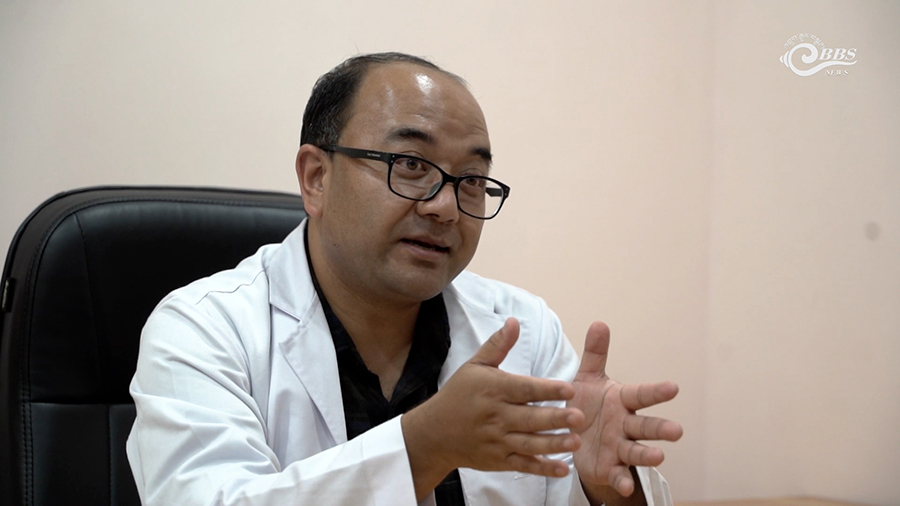
Dr Dinesh Pradhan, a neonatologist, said, “So, at any one point in time, if she’s struggling and the baby is crying all the time, it has a lot of mental toll on the mother. First of all, the baby is hungry, the baby is crying, and it puts stress on the mother.”
“There are also those inherent feelings of guilt. The nine months are over. Now the baby is in front of me, and I’m not able to breastfeed. The baby is crying. Maybe I’m a failure as a mother,” said the doctor.
During follow-up visits, health workers assess not only whether the baby is gaining enough weight, but also the mother’s physical and emotional wellbeing.
“From a medical point of view, during pregnancy, after delivery and even in the postnatal period, our aim is always to support the mother to breastfeed. And it should not be the responsibility of health workers alone. It should be the husband, the whole family, and I would also say a whole-of-government, whole-of-country approach to supporting breastfeeding,” added Dr Dinesh Pradhan.
Since 2016, the Royal Civil Service Commission has extended maternity leave from three to six months and paternity leave from five to ten working days.
The Commission has also extended the baby-feeding break from the child’s first year to the first two years, giving mothers more time and support to continue breastfeeding after returning to work.
A husband who takes on the chores. A mother who checks in. A workplace that gives her time. Each is a link in the warm chain, and health workers say none of them can afford to be missing.
Sonam Yuden
Edited by Sangay Chezom
Produced in partnership with the Ministry of Health and UNICEF as part of World Breastfeeding Week.