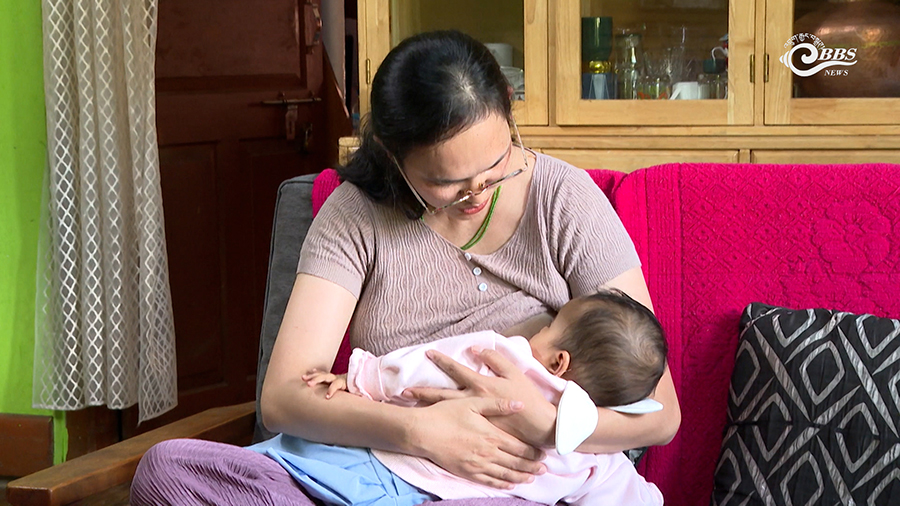
 A single policy gave Bhutan’s civil servants half a year at home with their newborns and, with it, the ability to breastfeed the way doctors advise. For the mothers it reaches, it has changed everything. For those it does not, the choice is starker: a job, or a baby’s best beginning.
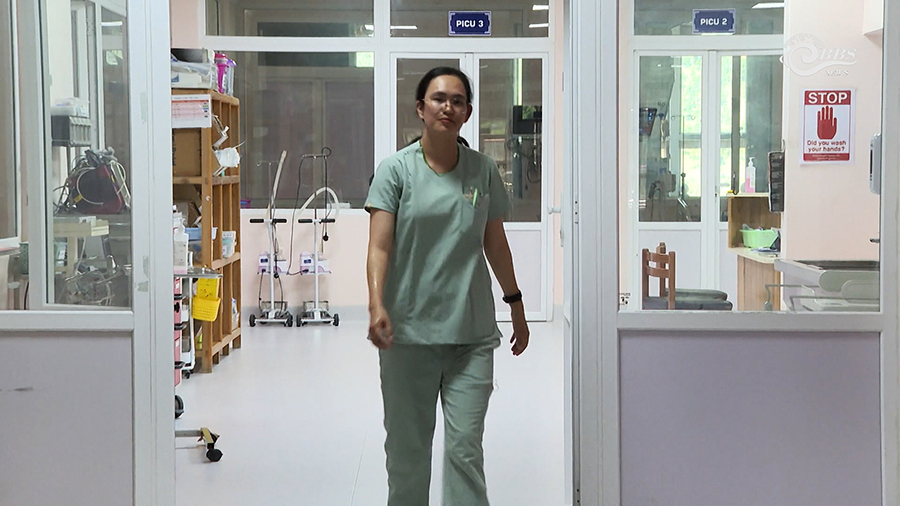
It is around 1 PM. Manju Rai is going home to her daughter.
A nurse at the Jigme Dorji Wangchuck National Referral Hospital in Thimphu, she just finished her shift. Two weeks ago, she returned to work for the first time since her baby was born. She is, she knows, one of the fortunate ones: her leave lasted exactly as long as her daughter needed her.
“After becoming a mother, I realised it’s not enough,” she says.
“Staying with the baby, taking care of her, breastfeeding, time just goes in a snap. Coming back to duty, you even think, should I take extraordinary leave for two years? Because we stayed six months, we became their safe place.”
Even those six months took planning.
“It was quite stressful. We didn’t have a babysitter or anyone to look after our baby,” she recalls.
“It helped when my mom stepped up. She left her shop behind and said she would be there till afternoon for my baby.”
Why the number matters
Behind Manju’s six months lies a figure doctors do not choose lightly.

“Our national policy, which is also the international recommendation, is to exclusively breastfeed for six months,” says Dr Dinesh Pradhan, a neonatologist at the hospital.
“That means only mother’s milk. The baby needs no other nutrition in that period. At six months you begin complementary feeds, because breast milk alone is no longer enough, but you continue breastfeeding to two years.”
It is a deceptively simple instruction. Its difficulty lies not in the science but in the calendar because for six months to be possible at home, a working mother must first be given six months away from work.
The policy that changed the maths
Bhutan drew that line in 2016. The Royal Civil Service Commission extended paid maternity leave for civil servants from three months to six, to make exclusive breastfeeding possible. It also granted mothers extended feeding breaks until their child turns two. In 2018, state-owned enterprises were directed to match it.
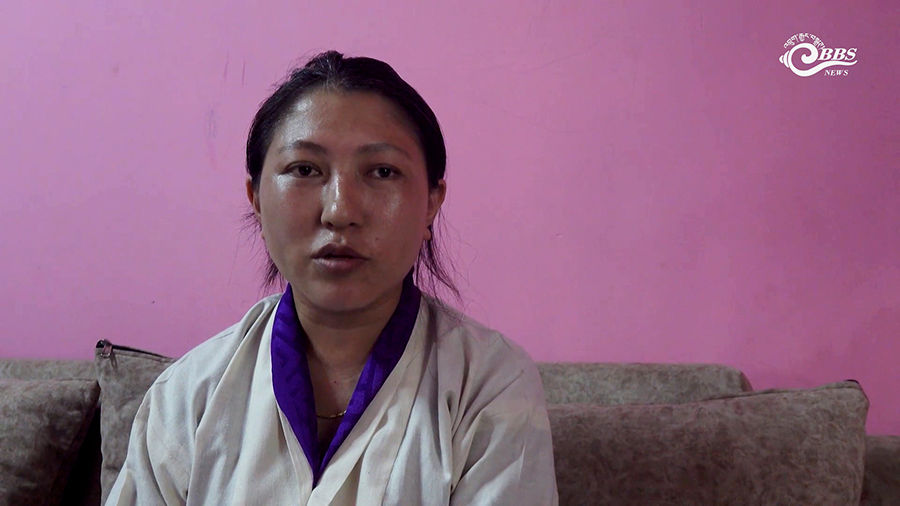
For Dechen, another mother, the difference is measured in daily journeys down a school corridor. The 33-year-old teacher at Gelephu Higher Secondary School returned to work after her six months’ maternity leave. She still checks on her 11-month-old son during school hours to keep breastfeeding him.
“Six months allowed me to follow that recommendation without worrying about returning to work too soon,” she says.
“It gave me time to recover, to care for my baby, and to adjust to our new family routine. If it had been just two or three months, it would have been very difficult. I am grateful for the policy intervention. It benefited not only my baby’s health but my well-being too.”
The mothers on the other side of the line
Outside the public sector, the arithmetic changes.
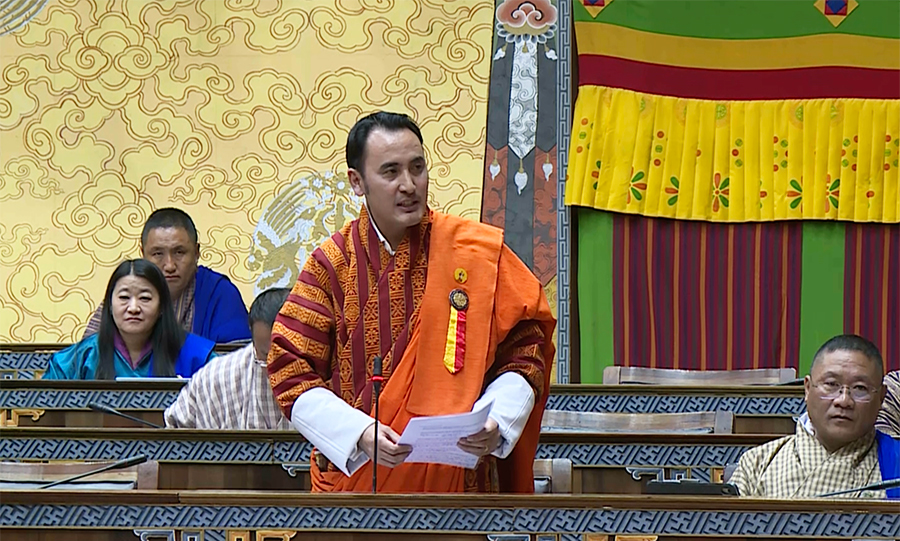
The Labour and Employment Act guarantees a private-sector employee a minimum of two months of maternity leave. In practice, most mothers get three and some as little as one. In the Parliament last year, the Minister for Industry, Commerce and Employment, Namgyal Dorji, explained that it is internal service rules, developed in line with the Act, that formalise such benefits, from leave entitlements to workplace support.
For one mother, the gap was too wide to cross. Working in the private sector, with six months out of reach, she faced a choice between caring for her newborn and keeping her job. She chose her child, and resigned.
Doctors see where these compromises end up.
“We see these babies given formula or home foods early, and then admitted with diarrhoea, pneumonia and other infections,” Dr Pradhan says.
“The recurring infections mean they don’t grow well, and the repeated hospital stays affect their development. We did advocate for all, the corporate and private sector too, to give at least six months, like the government.”
It is the quiet argument at the heart of this story: that breastfeeding, so often framed as a private act of motherhood, is in truth decided long before a mother ever holds her child – in the terms of her employment.
An unfinished question
The reach of the reform is not small.
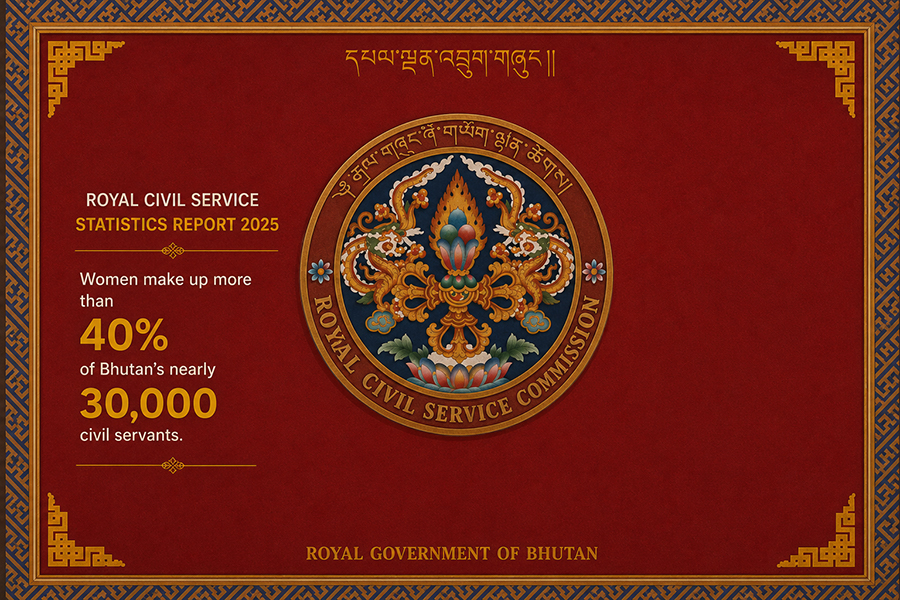 According to the Royal Civil Service Statistics Report 2025, women make up more than 40 per cent of Bhutan’s nearly 30,000 civil servants. For many of them, six months of leave has turned exclusive breastfeeding from a sacrifice into an ordinary possibility.
The unfinished question is what happens to everyone else? The mothers for whom the best possible beginning for a child still comes at the price of a career.
Meanwhile, Manju has made it home. For six months, she was her daughter’s safe place. The policy simply gave her the time to be one.
Devika Pradhan
Edited by Sonam Wangdi
Produced in partnership with the Ministry of Health and UNICEF as part of World Breastfeeding Week.