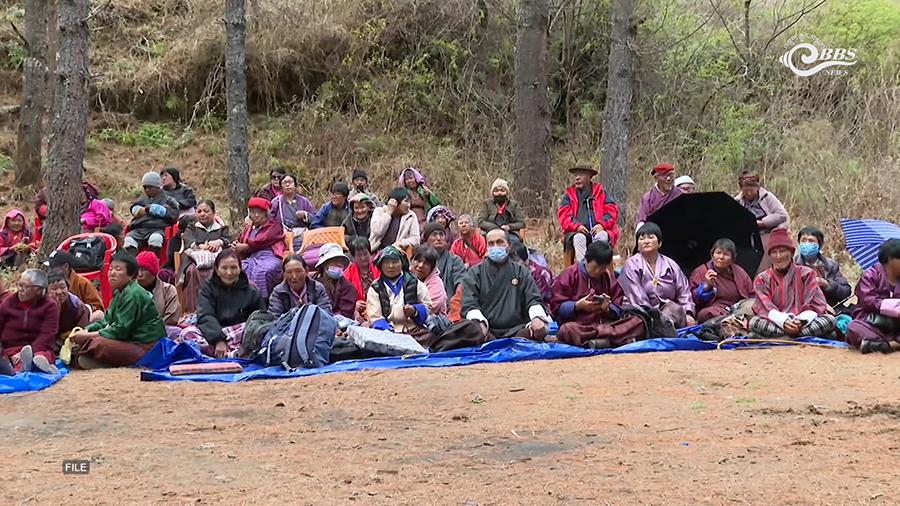
 Bhutan is said to transition into an ageing society by next year. For many senior citizens, growing old can also mean spending more time alone, stepping away from work, declining physical health and becoming increasingly dependent on others. Health professionals say these changes are contributing to a growing number of elderly people seeking help for mental health conditions.
 Many Bhutanese have looked forward to old age as a quieter chapter of life. A time to pray, reflect and find peace after years of working and raising a family.
But behind these familiar scenes, not every elderly person finds comfort.
As children move away, spouses pass on, and physical health begins to decline, some older Bhutanese are left battling loneliness, anxiety and depression in silence.
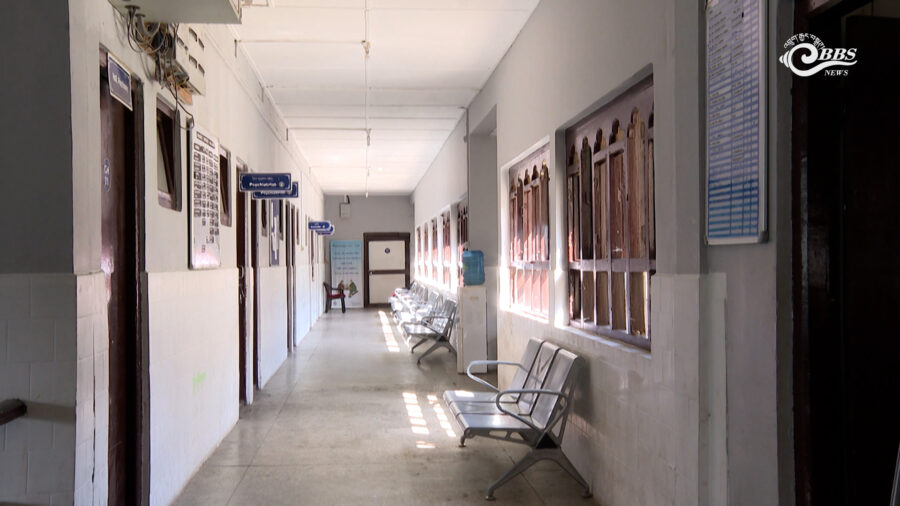 At the national referral hospital, psychiatrists see four to five new elderly patients with mental health conditions every month.
They say dementia is the most common condition among older patients, often causing memory loss, confusion and behavioural changes.
“Some develop persecutory delusions, believing their family members are trying to harm them. This can put both the elderly person and their caregivers at risk,” said Dr Ngawang Samten, a psychiatrist with JDWNRH.
He says dementia is only one part of the picture. They are also treating depression, anxiety and alcohol-related disorders among older adults, with chronic illnesses often making mental health problems worse.
World Health Organisation identifies loneliness and social isolation as major risk factors for mental health problems in later life.
The Royal Society for Senior Citizens, a civil society organisation, says changing family dynamics and increasing migration has left some seniors spending more time alone.
Royal Society for Senior Citizens’ Executive Director Tshering Namgay said, “One of the challenges the country is facing today is outmigration. As people leave, many senior citizens are left alone at home.”
The organisation says strengthening family bonds remains one of the most effective ways to protect the mental wellbeing of older people.
It also believes stronger social protection and community care services are becoming increasingly important as Bhutan’s population ages.
The executive director said, “If we have a strong social protection system that takes care of older people, as well as persons with disabilities, it can help address many of the mental health challenges they face. Financial support will also benefit them.”
Moreover, the National Statistics Bureau found that nearly 40 per cent experience multidimensional insecurity, including challenges related to income, health and social support. These further increase the risk of mental health problems among senior citizens.
To bridge these gaps, community organisations and health workers are expanding support services.
The Royal Society for Senior Citizens runs a home and community-based long-term care programme, allowing elderly people to receive care in the comfort of their own homes.
“We call it ‘home community-based’ care out of respect for our senior citizens. The service is delivered in the comfort of their own homes, and that’s the whole purpose of the programme,” said Gyembo Dorji, the project coordinator for the Royal Society for Senior Citizens.
“At the hospital, elderly patients are given priority for registration and services. Besides that, we also go to Goensho Tshamkhang once a month, where a psychiatrist and counsellor provide support and care,” said the psychiatrist.
However, these services are centralised. Many elderly people, especially those living outside the capital city, still struggle to access support.
With the elderly population projected to reach over 7 per cent of the total population next year, ensuring senior citizens are not just physically cared for but also supported in maintaining their mental health and wellbeing is essential.
Singye Dema
Edited by Sangay Chezom