 Farmers in Monggar are increasingly shifting to large-scale fruit cultivation, moving away from growing maize and other traditional crops. This is because, unlike other farm commodities, fruits have a guaranteed buyer. The Bhutan Agro Industries Limited buys all their fruit harvests to process into juice and pickles. According to district agriculture officials, fruit production, particularly pineapple and mango in Monggar has increased significantly in the past two years.
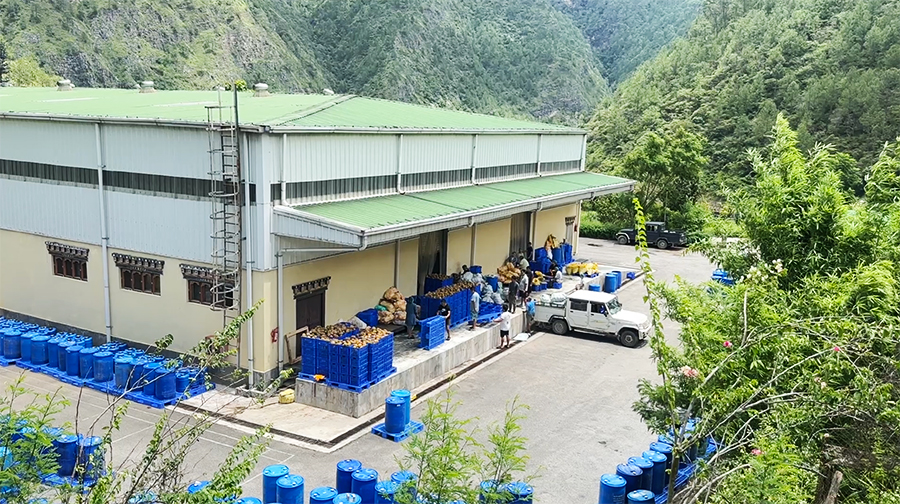
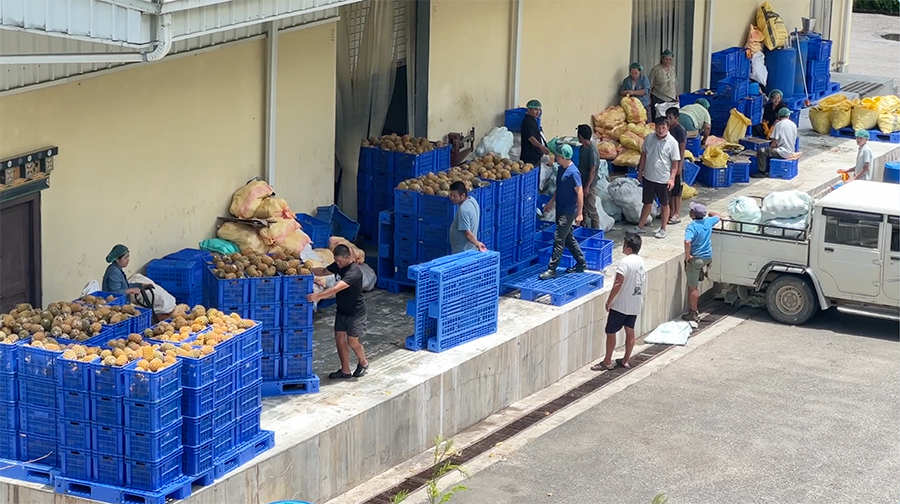 Bhutan Agro Industries Limited’s processing plant in Lingmithang is busy with farmers bringing in their fresh harvests. It is the peak harvest season for mango, pineapple, and passion fruit in Monggar.
Members of Yangbari Pineapple Group arrived at the plant with three bolero truckloads of pineapple. The company pays around 44 ngultrum for a kilogramme of pineapple. After deducting transportation and labour costs, farmers receive around 37 ngultrum per kilogramme.
To encourage organic farming, the company pays an additional Nu 2.5 per kilogramme for organic certified produce.
Although they could earn slightly more in local markets such as Lingmithang and Gyalpozhing, where a single pineapple fetches 50 ngultrum, farmers prefer the processing plant.
They say it saves them the hassles of finding buyers and reduces the risks of produce going unsold or spoiling.
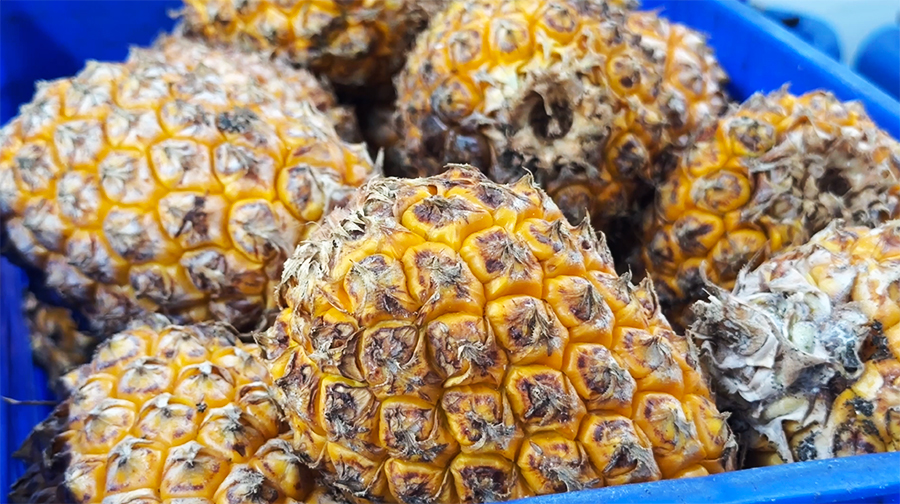 Pineapple production, mostly from Gongdue and Thangrong Gewogs, increased from around 14 metric tonnes in 2024 to over 60 metric tonnes last year.
“Since we partnered with Bhutan Agro Industries, we have not faced any problem selling our produce. During the peak harvest season, it gets busy as many farmers bring their pineapples here. So, to avoid inconvenience, we communicate with the officials here and bring our harvest as and when required,” said Norbu Wangdi, a member of Yangbari Pineapple Group.
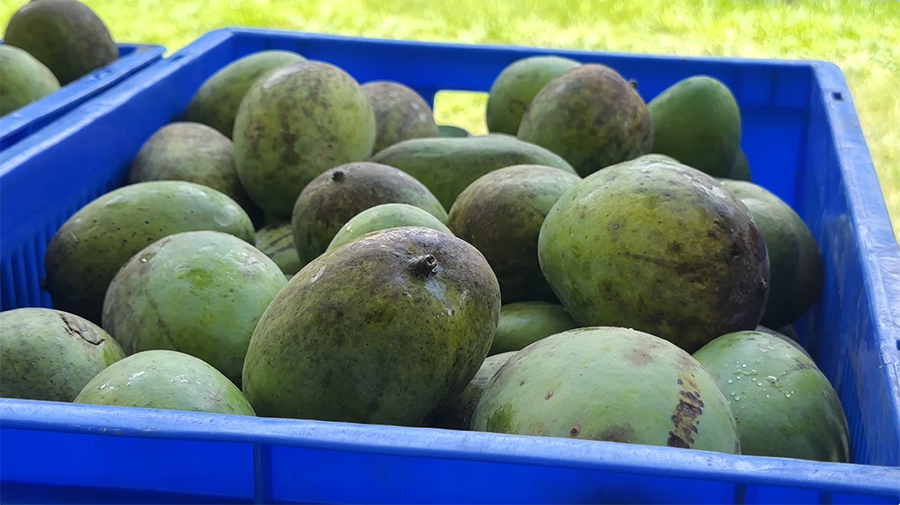 Similarly, mango cultivation has also expanded.
Production increased to over 110 metric tonnes last year, up from around 87 metric tonnes in 2024. The district agriculture sector distributed over 20,000 mango saplings in 17 gewogs between 2022 and 2025.
While they earn Nu 100 a kilogramme of mango in local markets compared to over 50 ngultrum at the processing plant, they choose the plant as it allows them to sell large volumes at once.
“During harvest season, manpower is a challenge because once the mangoes ripen, they will rot within a day or two. We have to rush against time. Here we can sell in bulk, and that is why I say it is reliable here,” said Lhawang Norbu, a mango grower in Khalangzi, Monggar.
The company buys oranges, passion fruit, mango, and strawberries from farmers.
Since its establishment in 2019, the company has partnered with 200 farmers’ groups, covering around 200 acres of farmland, mostly in the eastern region. It also provides farmers with technical assistance to ease farming and improve production.
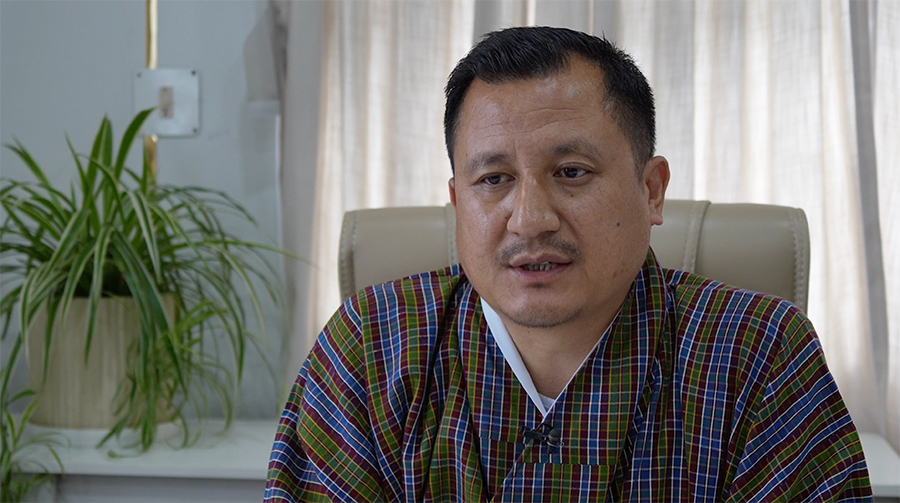
“Bhutan Agro has been a reliable partner for our farmers. It is a win-win. Now, we are working on manufacturing premium products. We have a few already, and we are working to develop more for the domestic market and export. We are also working towards developing premium products for Gelephu Mindfulness City. We are focusing on juice, jams, pickles, and water products. Therefore, cooperation with the farmers’ groups is important for raw materials,” said Sherab Namgay, the CEO of Bhutan Agro Industries Limited.
District officials attribute the increase in fruit production to assured market provided by the processing plant and technical assistance from agriculture officials and improved saplings provided through the Million Fruits Tree Plantation Initiative.
Farmers also receive technical support from the Agriculture Research and Development Centre in Wengkhar and from gewog extension officers to manage orchards and boost production.
Namgay Wangchuk, Monggar
Edited by Phub Gyem