 Plastic bottles and cans that were once thrown away are now putting money back into people’s pockets. Across Gelephu, Paro and Phuentshogling, millions of plastic bottles and cans are being returned through Reverse Vending Machines instead of ending up as litter. But while the initiative is showing promising results, the company behind it says stronger government policies are needed to make recycling sustainable in the long run.
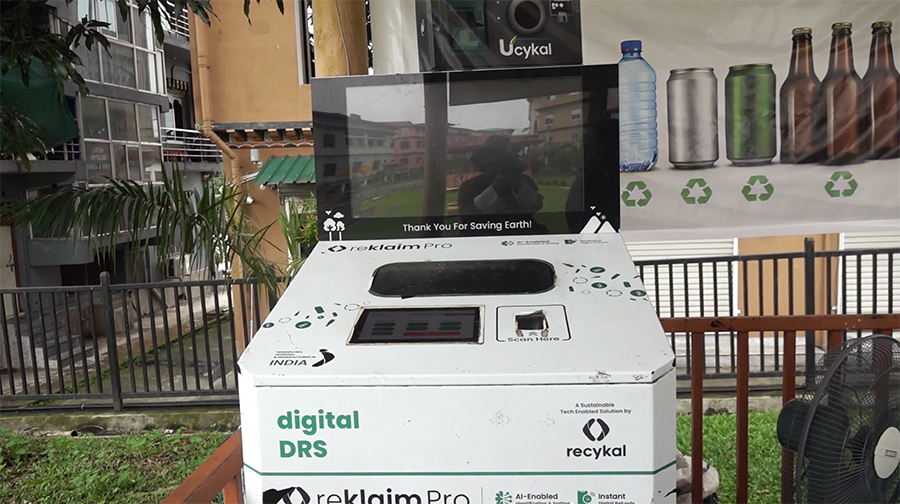
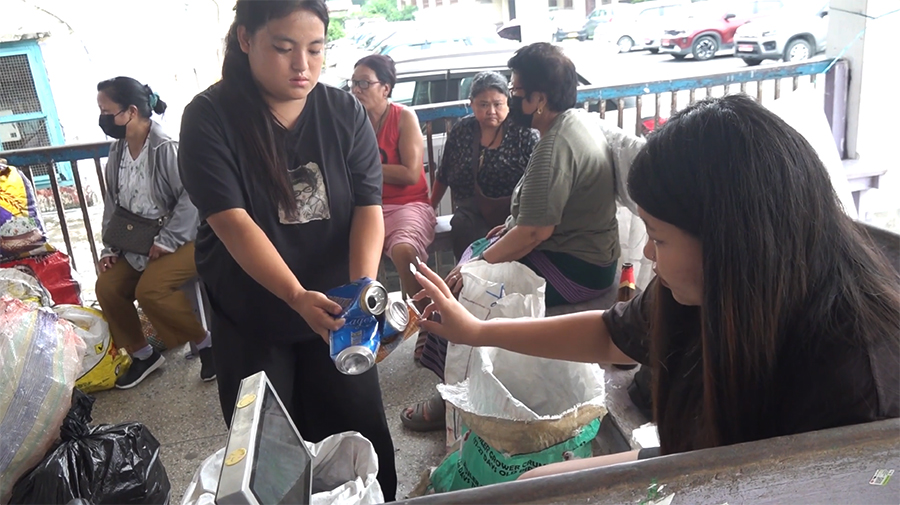 The Reverse Vending Machine at the Gelephu Regional Referral Hospital stays busy throughout the day. Schoolchildren, office workers and elderly residents arrive with bags of plastic bottles, metal cans and glass bottles collected from their homes and public places.
“We come here quite often to sell the bottles that we collect. It is a very good initiative. It helps keep the environment clean and at the same time allows us to earn some money to support our children,” said Tshering, a resident of Gelephu.
Each plastic bottle is worth Nu 1, while each metal can earns Nu 2. Users can return up to 50 plastic bottles and 200 metal cans a day. There is no limit on glass bottles.
Ucykal has installed four Reverse Vending Machines in Gelephu. Together, they collect around 5,000 items each day.
The machines in Phuentshogling and Paro are also seeing steady use. Nationwide, the company has recovered more than seven million containers, with PET bottles accounting for nearly 60 per cent of the total.
Since launching operations in 2024, Ucykal Private Limited has paid over Nu 14 M to users.
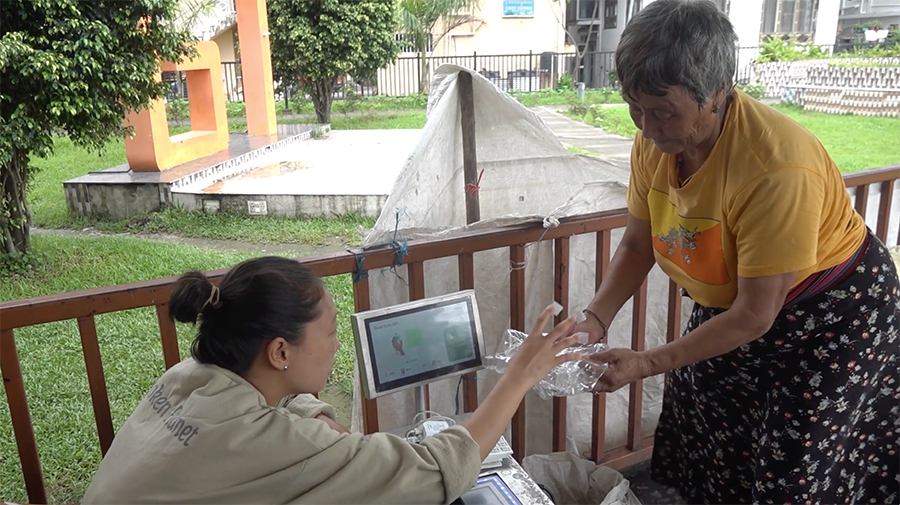 Metal cans are baled and stored for future recycling, while plastic waste is shredded and further processed with bottle caps and necks separated due to different material types.
As Bhutan currently lacks full recycling facilities for PET bottles and cans, UcykaL is exploring partnerships and plans to eventually establish its own recycling unit to produce value-added products such as T-shirts and decorative items.
“We are talking to NGOs who are active in the waste management sector to collaborate with them so we do not duplicate their work and we do not impact their work stream. There is a SheCycle. We have had meetings with SheCycle. They are active in Paro. We will be collaborating with them in terms of how we turn the waste into valuable raw materials for making handicraft items and shopping bags,” said Sangay Dorji, CEO, Ucykal Private Limited.
However, the company says recycling cannot depend on technology alone.
It is urging the government to introduce policies that make producers responsible for collecting and recycling the packaging they put on the market.
“The world is moving towards Extended Producer Responsibility and container deposit schemes because they work. Once you assign value to these containers, people have an incentive to return them. Without that value, many containers simply become litter,” said Sangay Dorji, CEO, Ucykal Private Limited.
The company is also calling for a deposit refund system, under which consumers pay a small refundable deposit when buying a drink and receive the money back when they return the empty container.
It says countries such as Germany, Ireland and Australia have adopted deposit return schemes that have significantly improved recycling rates.
Every bottle returned means one less piece of litter and a little extra income for someone.
But while the machines are proving that waste has value, operators say Bhutan’s recycling efforts will only reach their full potential with stronger policy support and continued public participation.
Passang Dorji/Karma Wangdi/Anita Chhetri
Edited by Sangay Chezom