
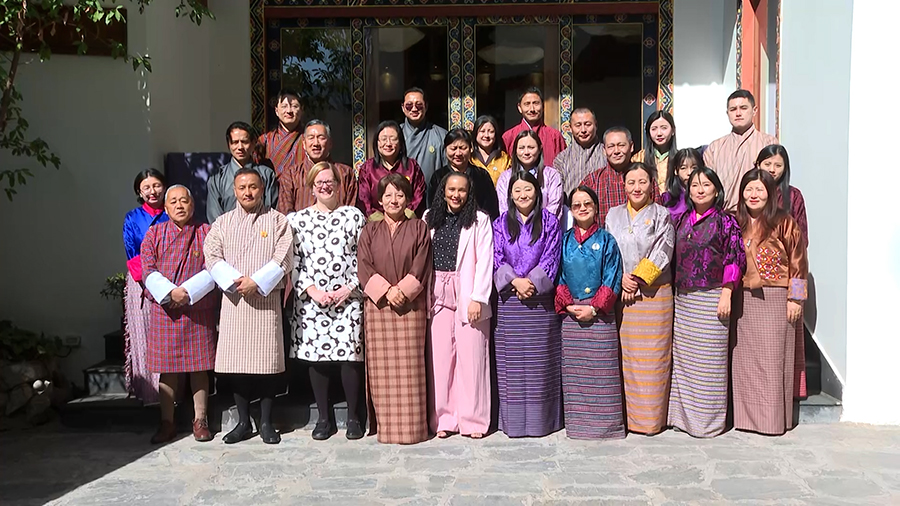
 Why are there still few women in Bhutan’s politics? That question took centre stage at a stakeholder consultation yesterday, where new ideas were discussed. These include reserved seats for women, a best loser system for those who narrowly lose, unpaid leave for civil servants to contest elections and incentives for parties that nominate more women. The Parliament of Bhutan and the Inter-Parliamentary Union jointly organised the meeting.
Speaking at the event, an expert from the Inter-Parliamentary Union said reforms such as reserved seats and incentives for political parties through quota systems could help close the gender gap, but only if they are done right.
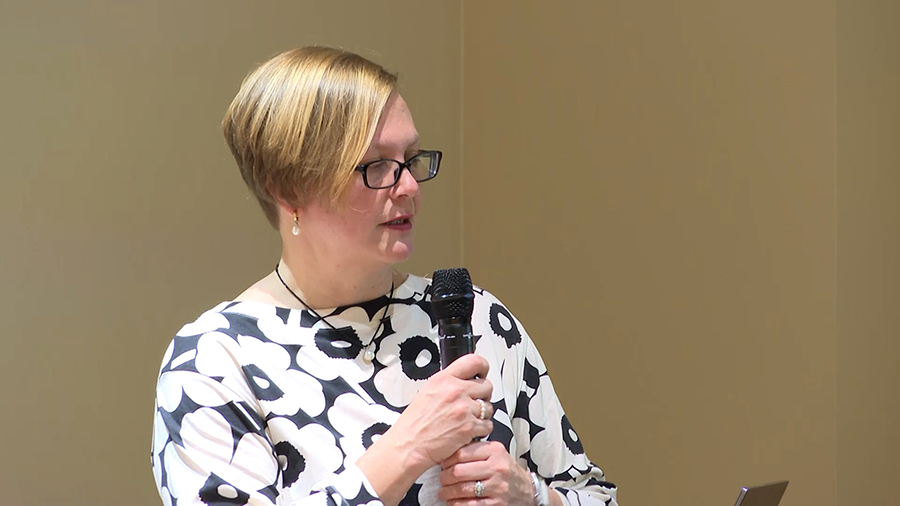
“I think what I heard from the discussions here was that putting political parties in charge of that commitment is really the way forward. For example, if you require them to nominate 30 per cent women candidates, then it’s their responsibility to find the good women, to invest in women’s candidacies, to define the districts where there are really promising women who’ve maybe been overlooked until this point,” said Mona Lena Krook, International Expert, Inter-Parliamentary Union.
She added that Bhutan could also consider a legislative quota ahead of the next elections, both at the national and local levels.
But not everyone was convinced about quotas. Some participants said that quotas or reserved seats could risk undermining the credibility of women politicians, a debate Bhutan has had for years.
However, some viewed these measures as a practical way to accelerate progress.
“Quota is an interim measure, firstly. Secondly, I think this is also based on the last 15 to 16 years of experience, looking at how the number of elected women in parliament has decreased instead of increasing as we had expected. So, looking at that, perhaps if we would like to expedite the process, an interim measure may be an option, and this is also looking at a lot of experience from around the world that was presented by the international expert,” said Sangay Khandu, Former Member of Parliament.
“To enhance women’s participation in politics, I believe there should be electoral reforms, such as introducing a gender quota to ensure a minimum number of women in parliament. Another important aspect is strong political commitment. We should not act or speak on this issue merely for the sake of it; we must truly walk the talk,” said Phuntsho Dendup, Member of Parliament, National Assembly.
Today, women remain significantly underrepresented in Bhutan’s political landscape.
According to a study on Barriers to Women’s Political Participation, the number of women elected in the National Assembly dropped from 10 in 2008 to 7 in 2018 and just two in 2024. In the National Council, only one woman was elected in 2023. On average, only four women have been elected across the four election cycles.
Alongside the discussions, the Inter-Parliamentary Union launched a global campaign titled “Achieving Gender Equality: Action by Action.”
The campaign outlines 10 steps for parliaments, including enacting laws to ensure equal representation, promoting women in leadership roles, and eliminating violence against women in politics and making institutions more gender-sensitive.
Tashi Dekar
Edited by Sonam Pem