
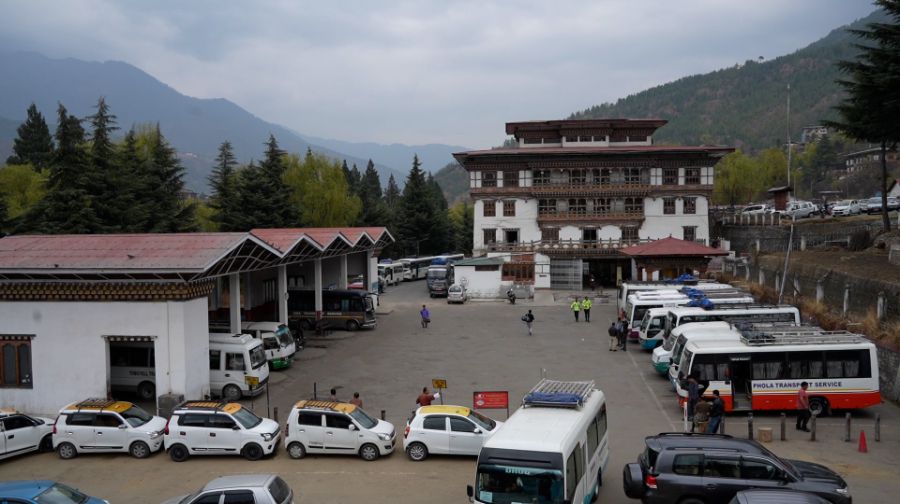
 Starting July this year, passengers will be allowed to carry up to 30 kilograms of accompanied luggage on both long-distance and local buses, excluding city buses. This change is part of the Road Safety and Transport Rules and Regulations 2026. Until now, passengers were allowed only 20 kilograms.
Travelling to other districts often meant paying extra for luggage. Several people BBS spoke to complained that they were often overcharged for carrying extra bags.
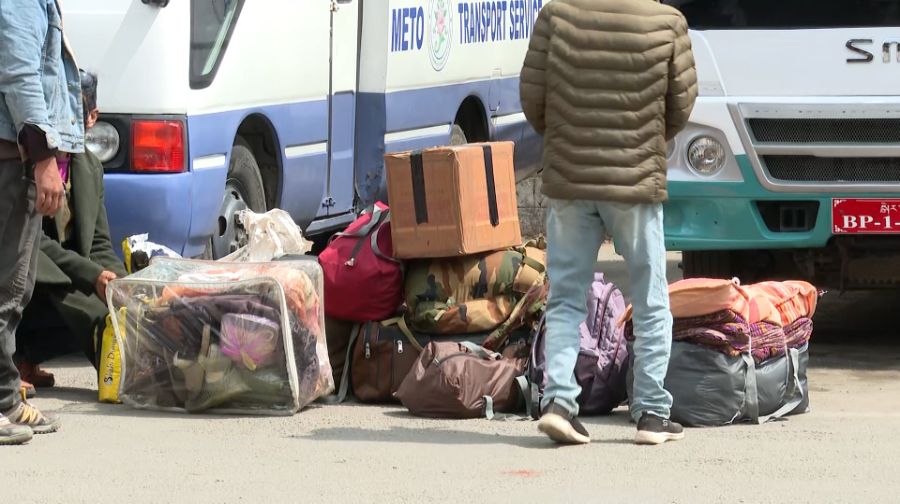
“Even a small carton is charged Nu 500 to 600. Bigger cartons are charged higher. The sacks are not even weighed. The drivers simply decide and charge us,” said Pema Yangchen, Trashigang.
“I recently travelled by bus to college. The driver charged me Nu 150 for each small carton box and Nu 300 for a carton of Maggi, saying it was large. One of my friends was also charged Nu 300 for a suitcase just because of its size,” said Leki Dorji Tamang, Samtse.
“Some charge us Nu 100 to 150 even if we carry about 20 kilograms or just small items. It varies from driver to driver. They do not even have a weighing machine. They just estimate,” said Sherub Dorji, Tsirang.
“When people carry sacks of rice, betel nuts, radish, or potatoes, there isn’t enough space inside the bus. The bags are placed on the rooftop. The driver then says the luggage is too much and charges extra,” said Kelzang Wangdi, Paro.
Drivers, however, say the situation is not as one-sided as passengers claim.
“Passengers are allowed to carry up to 20 kilograms of luggage. But some people carry more than 30 kilograms, especially sacks of rice. I don’t charge for one bag, but if they carry more than one, I charge depending on the journey, Nu 200 for a day trip and double for two days,” said Pema Dorji, Driver.
According to the new regulations, drivers or conductors can charge additional fees only if the luggage exceeds the 30-kilogram limit. The additional fee is set at Nu 0.1 per kilogram per kilometre.
For instance, if a passenger carries 31 kilograms of luggage from Thimphu to Phuentshogling, the luggage exceeds the limit by one kilogram. For a 149-kilometre journey, the passenger would pay an additional Nu 14.9 for an extra kilogram.
For unaccompanied luggage or parcels, transport will depend on the availability of space after accommodating passengers’ luggage. Commercial consignments will not be allowed on passenger buses.
Meanwhile, the authority plans to conduct ad hoc inspections and take action on complaints of overcharging.
To make the system fairer, the authority also plans to repair existing weighing machines and install new scales at bus terminals where they are currently unavailable.
So far, the authority has conducted sensitisation programmes in 15 districts and four dungkhags about the new regulation.
Sonam Yuden
Edited by Sonam Pem