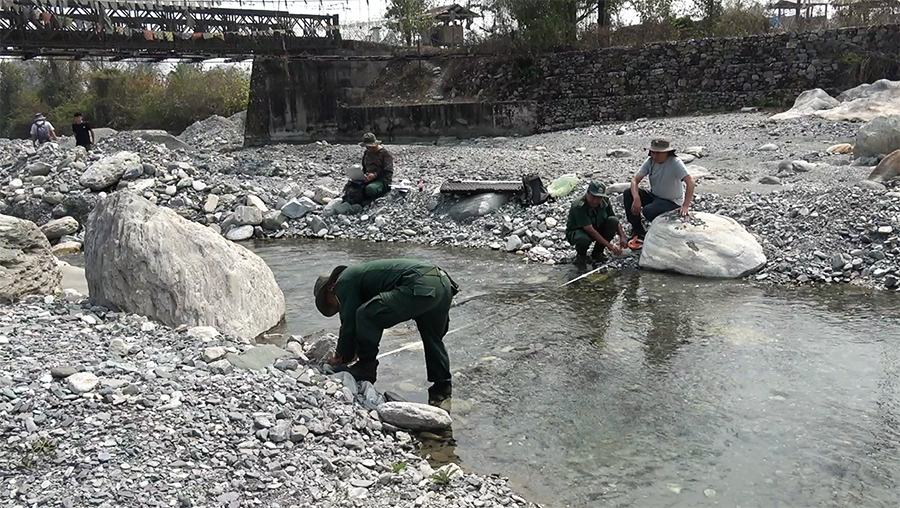
 As concerns grow over drying streams and springs across the country, a nationwide water resource inventory is underway to document water sources. Officials say the study will help build proper records to understand why many water sources are disappearing.
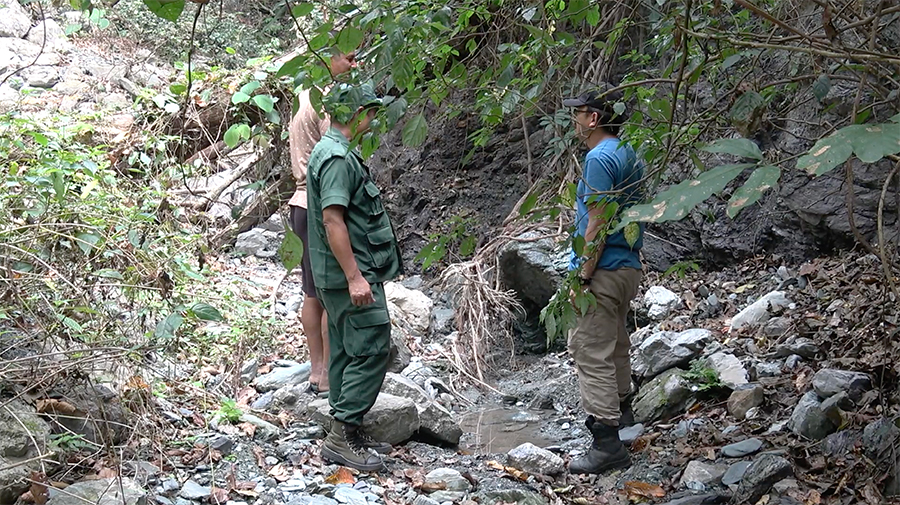 In Shompangkha Gewog of Sarpang, Kamli Khola stands as a reminder of the growing concern over drying water sources.
Once a key water source for Shompangkha village, the stream today has only a small amount of water flowing. It not only served as a source of drinking water but also for irrigating fields.
Shompangkha Tshogpa Chandraman Rana said,“In the dry season, we face water shortage for about four to five months. During the monsoon, the water supply is better with rainfall. But when there is no rain, there is hardly any water, and it becomes difficult for the villagers.”
Shompangkha is one of the 12 gewogs in Sarpang, where the Department of Water under the Ministry of Energy and Natural Resources has conducted a water resource inventory.
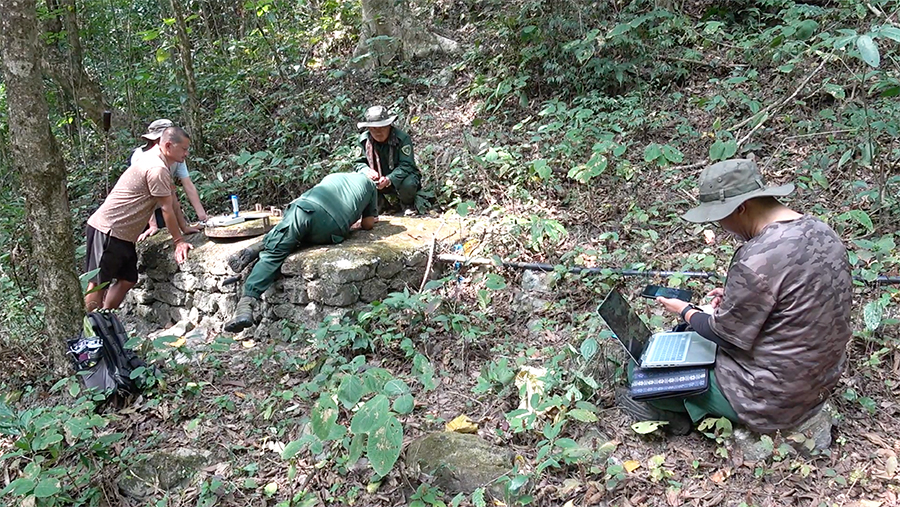 Officials from the department, along with district forestry officials, visited water sources located in remote areas and deep forests to collect information.
The teams assessed the condition of the sources, recorded their discharge levels, checked water quality, and documented how the water is being used for drinking, irrigation, and industries.
“We are documenting water sources used for drinking, irrigation, and industries. At the moment, Bhutan does not have a comprehensive record of its water sources. Through this study, we aim to identify the sources and assess their quality,” said Rinchen Namgay, the chief programme officer of the Water Resource Management Division.
According to records, Sarpang has more than 300 water sources. Officials say the ongoing inventory will help update such records and provide more accurate data on the status of water sources.
The inventory will serve as a database for developing policies related to water.
Currently, the study is being carried out in Sarpang, Dagana, Tsirang, and Samtse.
The Water Resource Inventory will eventually cover all 20 districts by the end of the 13th Five-Year Plan.
Once complete, the study is expected to produce a nationwide list and map of water sources, while also helping experts better understand the reasons behind the increasing number of drying streams and springs in the country.
Karma Wangdi/ Passang Dorji, Gelephu