 Global warming and climate change are making the planet increasingly vulnerable to disasters, with natural hazards expected to become more frequent. For Bhutan, located in the young and fragile Himalayan range, the risks are even greater. In response, the country has taken a step to strengthen disaster preparedness.
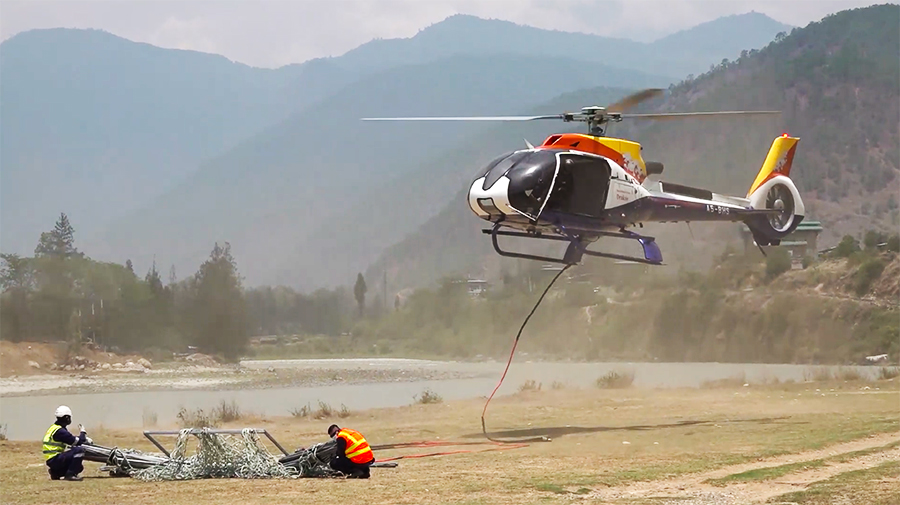 Transporting relief materials is a challenge in mountainous terrain. Aerial service like this has made it easier and faster. But arranging transport during an emergency takes time and must follow some procedures.
 But that is expected to change. Nearly 70 procurement officers attended the sensitisation programme on the newly launched Emergency Logistics Preparedness Procurement Manual. It is planned to ensure that procurement remains transparent, accountable, and efficient during a crisis.
The Department of Procurement and Properties, with support from the World Food Programme, developed the manual to close institutional gaps before a disaster strikes.
“So, what we are doing now is preparing them to be ready for an emergency, so that you know minimum time is lost in getting a response to wherever the need is. And once you have this system in place, it will be easier for all districts to be able to respond very quickly,” said Peter Rodrigues, Representative and Country Director, UN World Food Programme, Bhutan.
The manual will improve preparedness through advanced planning, identified suppliers and service providers, and clear procurement procedures during emergencies.
“Delay of even one day is going to cost many more lives. So the procurement team, which is here, is going to work on finding ways to shorten the time to be able to respond in any emergency. So, when they go back, they will have a pre-contract sign with suppliers to be able to meet the needs of the people in case of an emergency, which is caused by natural disasters,” added Peter Rodrigues, Representative and Country Director, UN World Food Programme, Bhutan.
The manual will come into force from the next financial year.
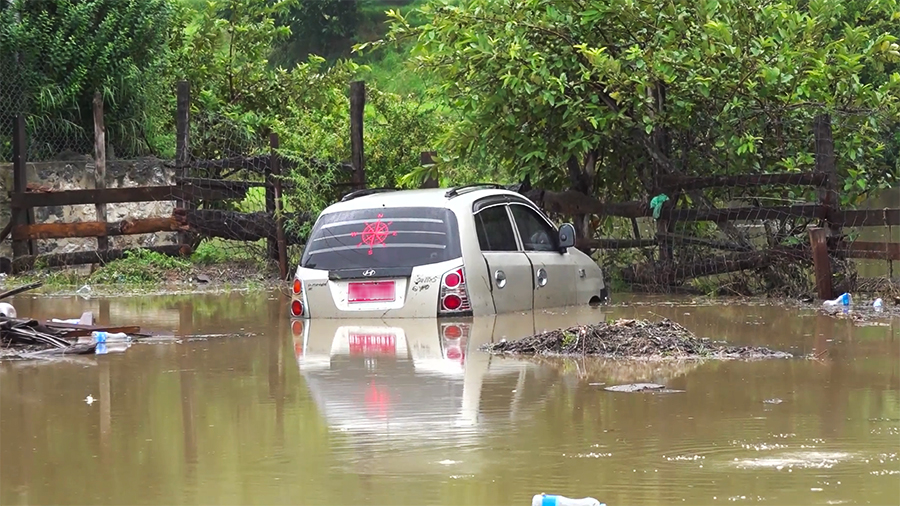 With disaster risks on the rise, officials say it could help Bhutan ensure faster response and minimise losses when floods and other emergencies strike.
Changa Dorji, Punakha
Edited by Tandin Phuntsho