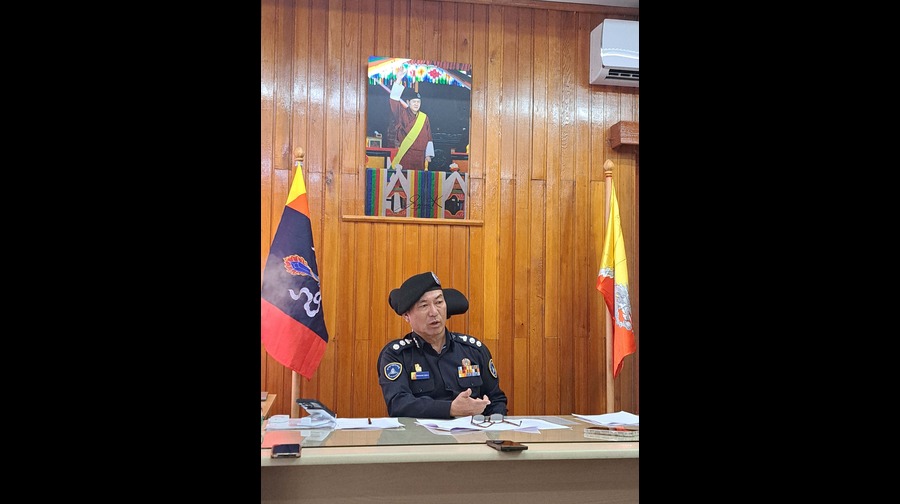
Police say Bhutan is increasingly being misused as a transit route for drug smuggling. According to the Deputy Chief of Police, consignments are now coming from third countries and routed through Bhutan before being illegally delivered to neighbouring states in India, often by exploiting Bhutanese individuals. This year alone, as of earlier this month, the police registered nearly 300 cases of drugs.
Police seized more than 33 kilogrammes of cannabis from separate consignments that arrived from Bangkok, Thailand recently. This led to the arrest of four Bhutanese and two Indian nationals.
According to the Police, more than 15.6 kilogrammes of cannabis were hidden inside air compressor equipment. In another case, 12.9 kilogrammes were concealed in gym equipment like rubber drums and inside canned beans.
Meanwhile, more than 4.7 kilogrammes of cannabis were also found hidden inside other gym equipment.
All the cases are currently under investigation.
Police say drug traffickers are increasingly using courier, postal and cargo services to transport narcotics across borders.
The drugs are often concealed inside ordinary goods to avoid detection.
Deputy Chief of Police, Colonel Passang Dorji said trafficking networks are misusing the names, addresses and taxpayer numbers of Bhutanese individuals and business entities to receive such consignments.
Some individuals may be misled or unaware, while others are offered financial incentives to receive or forward the packages.
The Deputy Chief of said once consignments reach the southern belt, they are illegally transported to neighbouring states in India without following proper customs and legal procedures.
Police is urging public to remain vigilant and avoid receiving parcels on behalf of unknown persons or individuals abroad.
They also advised people not to allow their addresses, phone numbers or taxpayer identification numbers to be used by others for receiving packages.
The Royal Bhutan Police, in coordination with the Department of Revenue and Customs and other agencies, are calling for stronger cooperation from courier, postal and air cargo service providers to enhance inspection and security checks.
Karma Wangdi