
 Across Bhutan, small-scale entrepreneurs are transforming what grows in their backyards into sources of income. But while passion and skill may be abundant, access to the right tools and markets often determines whether small dreams flourish or ferment.
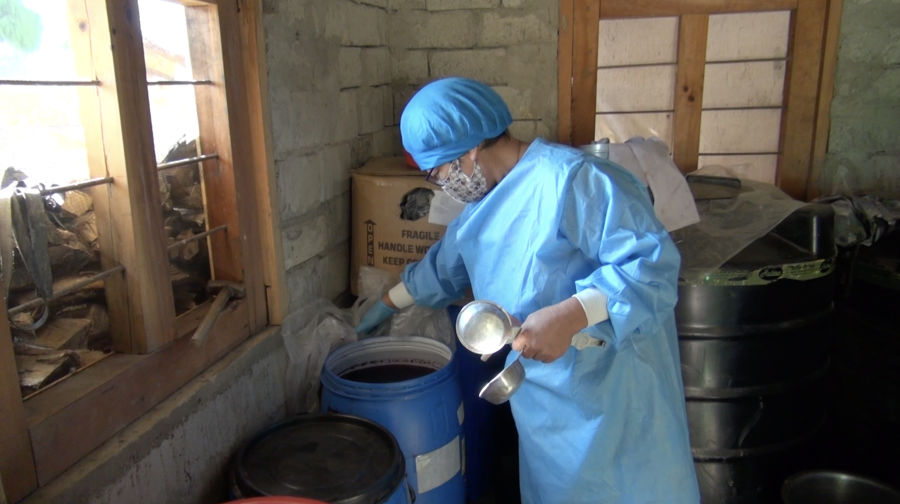
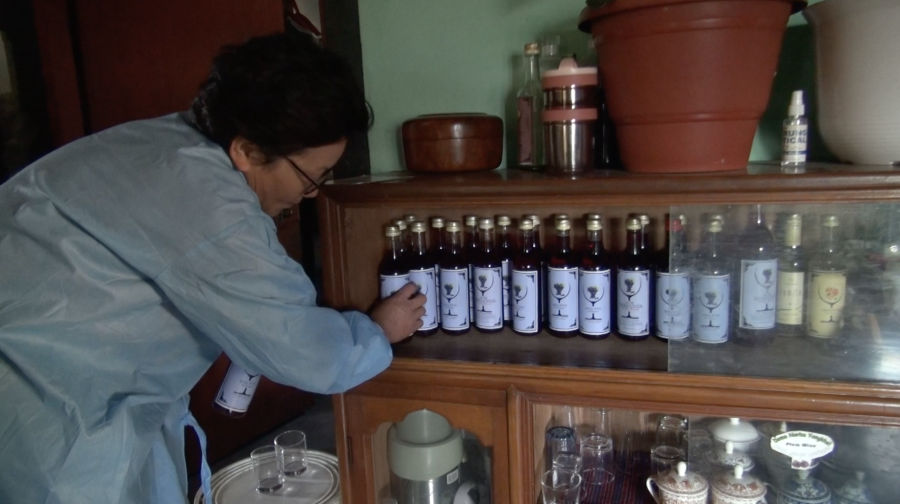
In the quiet hills of Yangtse Gewog in Trashi Yangtse, 54-year-old Dema has turned her home into a modest winery. Inside, rows of bottles line wooden shelves, each filled with handcrafted wine from seasonal fruits.
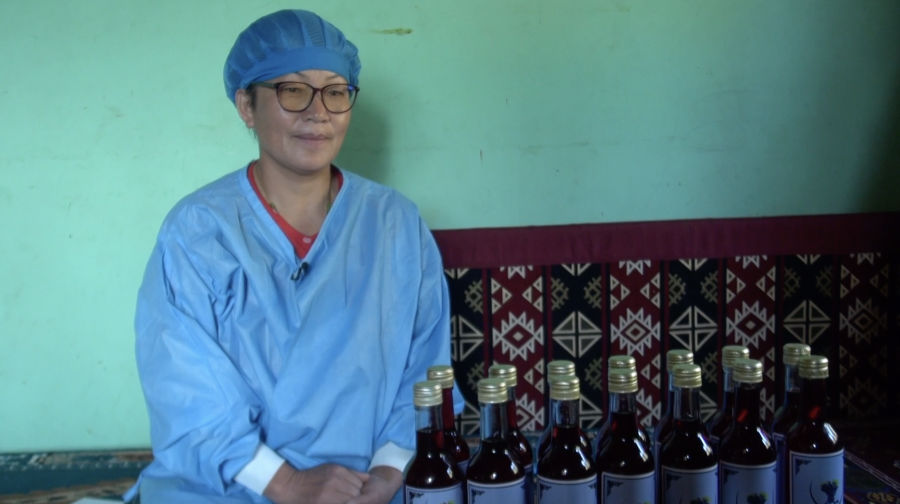
For Dema, winemaking is not new. She first learned the art as a teenager, working beside her mother. What began as a household tradition slowly matured into a livelihood. Decades later, she strengthened her skills further through a month-long wine processing training – refining both technique and confidence.
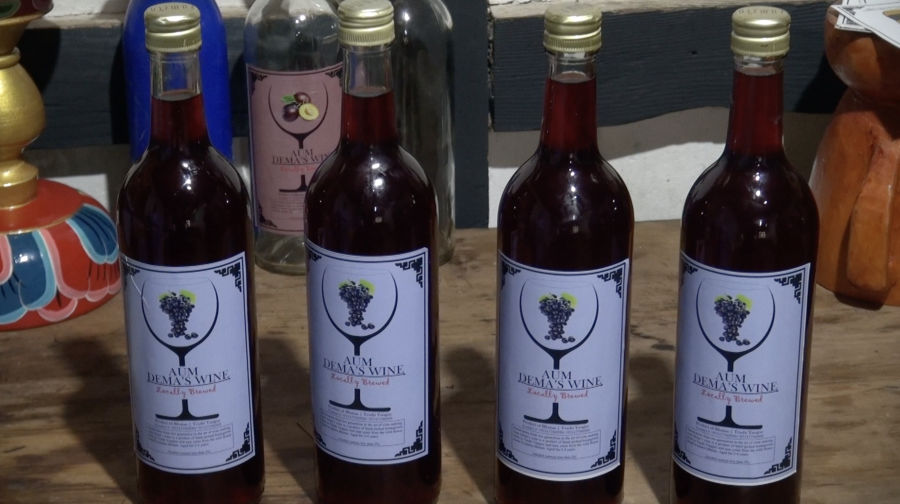
Today, her small enterprise produces four varieties of wine: peach, grape, kiwi, and plum. They are priced between Nu 170 and Nu 400, depending on the aging period. Each bottle is filled, labelled, and displayed at her shop, and occasionally during local events and festivals.
The fruits do not come from her orchard alone. She buys them from her neighbours, quietly supporting other households in the community and creating a local value chain.
But her journey has not been without setbacks. “Initially, lockdowns impacted my business. Later, getting bottles and caps was a challenge.”
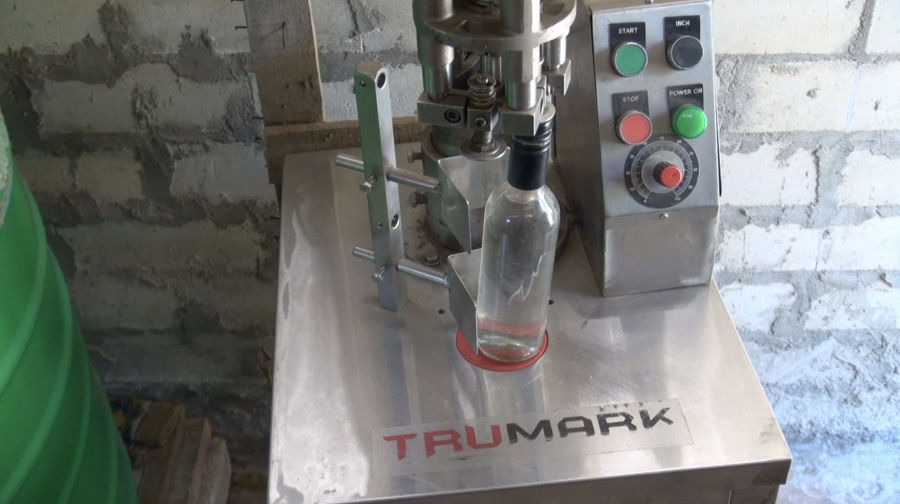
About four years ago, hope for expansion arrived in the form of a bottle-capping machine. The district administration provided it on a cost-sharing basis. The equipment was meant to help her meet market standards and supply beyond her locality.
It did not work as expected.
“The machine broke down, and sealing the bottle caps became challenging. Improper sealing poses a risk to the quality and safety of the wine.”
Attempts were made to repair the machine, but the issue remains unresolved. Officials are exploring alternatives to address the issue.
Meanwhile, Dema has to seal each bottle by hand. It is slow, meticulous work. The income from the business also reflects the struggle.
“I earn around Nu 10,000 annually from selling wine,” she shares.
“The income is not enough to repay my monthly loan installment, which is double of what I earn from selling wine in a year.”
To make ends meet, Dema tends her orchard, cultivates additional crops, and looks for supplementary income wherever she can find it. The winery may be her passion, but survival requires diversification.
Still, the bottles continue to line her shelves. Each one represents more than fermented fruit. It carries years of tradition, resilience, and belief in the value of what grows close to home.
For now, her business remains small. Her earnings remain modest. The faulty machine sits unused. But her optimism has not faded.
Dema hopes that one day she will expand her enterprise. More than that, she dreams that her children will carry forward the legacy she has carefully nurtured from her backyard – turning seasonal fruits into bottled hope.
Sonam Dargay, Trashi Yangtse
Edited by Sonam Wangdi