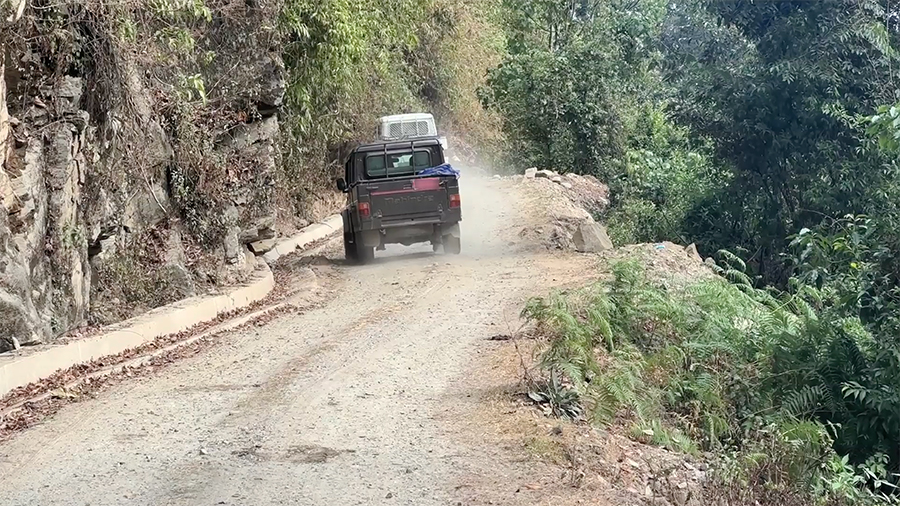
 The government has selected 146 Dzongkhag roads nationwide for upgrades under the 13th Five-Year Plan. Previously managed by the Gewog Administration offices and known as Gewog roads, these routes are up for improvement by the Department of Surface Transport. Work has commenced on 63 roads, nine of which have been completed.
In 2019, the previous government handed over Dzongkhag roads to the respective gewog administrations. However, gewogs faced several challenges in managing them, including limited budgets, a shortage of manpower, and a lack of machinery.
In 2024, the Department of Surface Transport under the Ministry of Infrastructure and Transport took over the roads.
Since then, the department has identified 146 Dzongkhag roads covering nearly 2,000 kilometres for improvement. The works include blacktopping, widening, construction of bridges, and other related infrastructure.
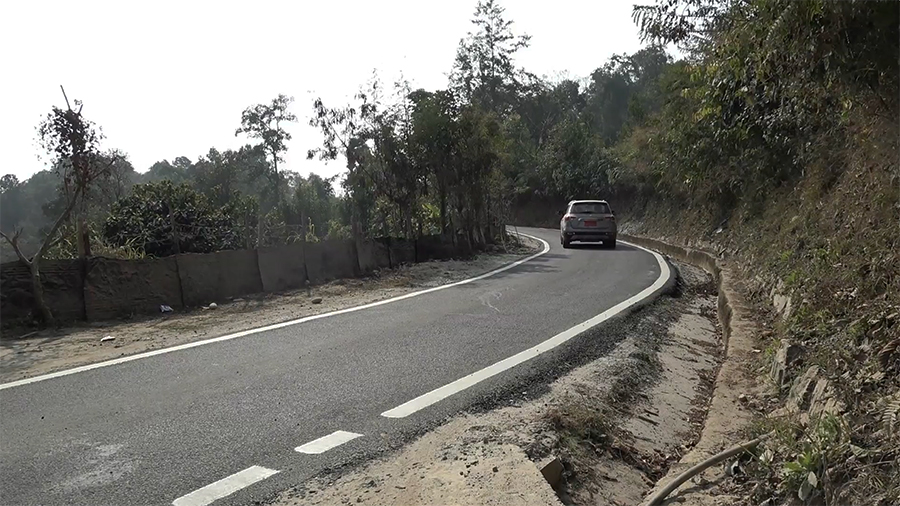 During the 2024–2025 financial year, the department selected 23 Dzongkhag roads for improvement and blacktopping. It has already completed nine roads across eight districts. The remaining works are expected to be completed by 2028.
This financial year, the department has started improvement works on 40 more Dzongkhag roads. It aims to complete 12 roads within the year, while the rest will continue into the following financial years.
The Government of India has approved more than Nu 4.8bn under its Project Tied Assistance to support these road improvement works.
The Ministry of Infrastructure and Transport said that improvement works on the remaining roads will be carried out as and when funds are available.
“We will address the remaining roads as and when funds become available, either from our national budget or through development partners, particularly the Government of India. We estimate that upgrading the 79 roads will cost just over three billion,” said Ugyen Norbu, the chief programme officer with MoIT.
For thousands of residents who rely on these roads every day, timely completion of the works will mean safer travel, reduced vehicle damage, and improved access to markets, schools and health services.
Pema Tshewang, Tsirang
Edited by Sangay Chezom