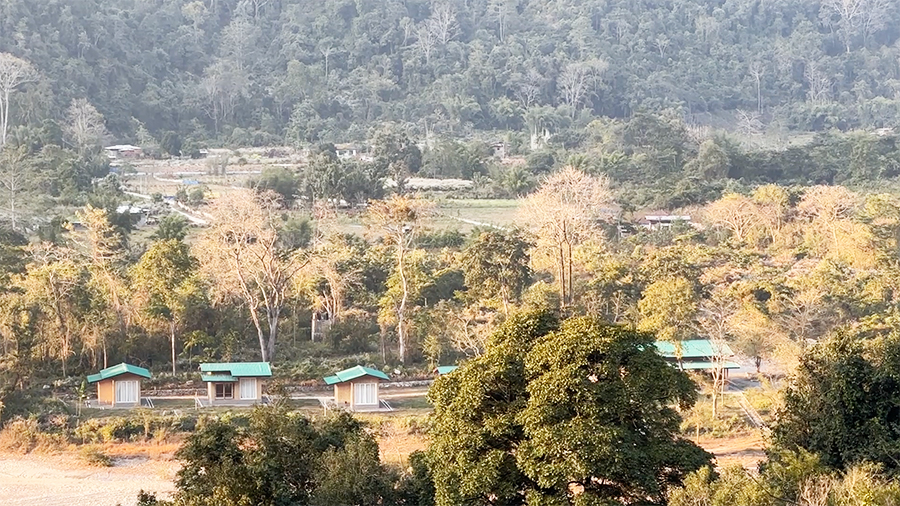
 Yangbari in Monggar is set to become a tourist destination, a move that could promote tourist visits in the east. Capitalising on the pristine Drangmechhu, the divisional forest office in Monggar has constructed an eco-lodge for Golden Masheer fly-fishing enthusiasts with plans to turn the area into a full-fledged nature-based tourist attraction.
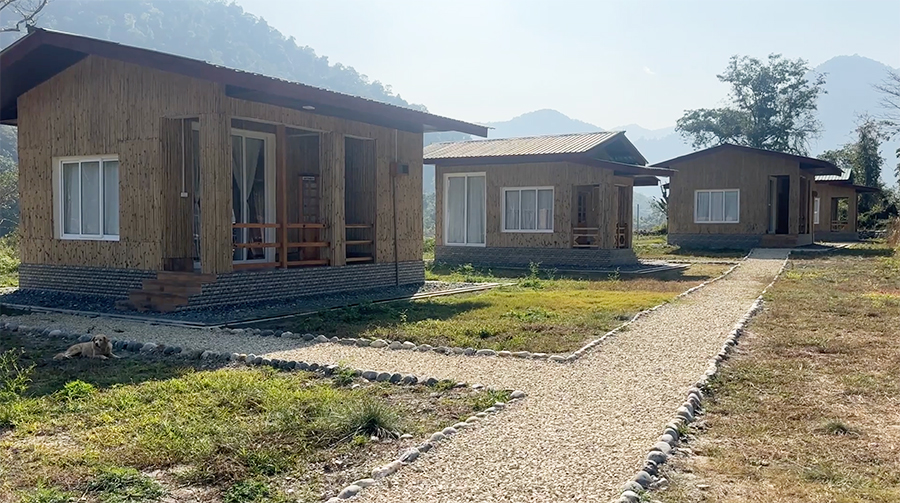 Spending your days in a well-furnished cottage in the middle of a wilderness and going fly-fishing for leisure while you are out there in the wild, if this sounds like your idea of a getaway, look no farther than Golden Masheer Lodge in Yangbari when you are in Monggar.
The establishment features seven furnished cottages, a dining room, and an outdoor campfire in a peaceful natural setting right next to the Drangmechhu.
Visitors can access these amenities as a package.
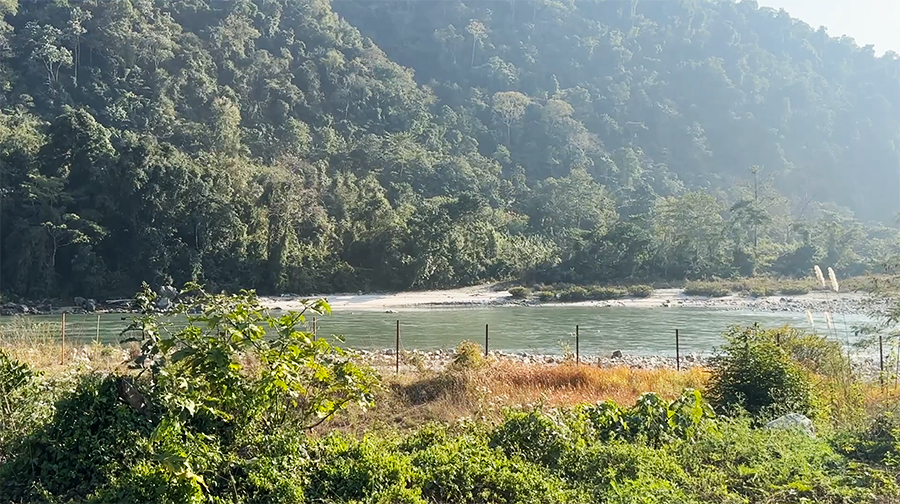 The expedition begins on a raft at Kuri Gongri, continues downstream to Panbang in Zhemgang, and expands as far as Manas. Guests can experience catch and release fishing of golden masher and explore the rich biodiversity along the banks of the Drangmechhu.
Karma Tempa, Chief Forestry Officer of Divisional Forest Office, Monggar said, “The expedition will begin at Kuri-Gongri. Visitors will catch the golden masheer, take pictures and release it. We have identified fishing areas along the river. Visitors will be rafting which will be an adventurous journey. They will rest at Yangbari and conclude day one. On the second day, we will head towards Zarkapla in Zhemgang and on the third to Panbang. Rafting, fishing, releasing is the catch, and enjoying the pristine Drangmechhu’s biodiversity will complete the trip. Therefore, we are developing a three-day itinerary.”
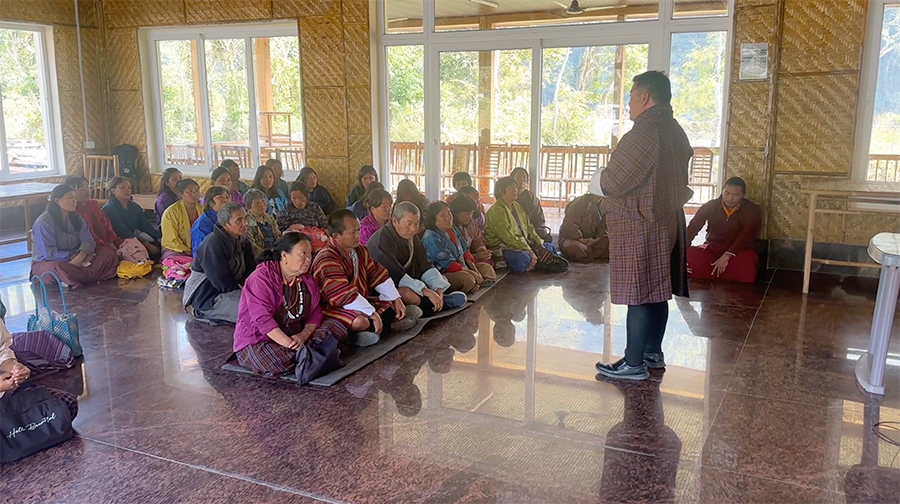 Opened last year during bathing carnival in Pema Gatshel, the lodge is already benefiting the community by employing locals and boosting local economy.
A seven-member group from Yangbari currently manages the facility. Since September last year, it has hosted more than a hundred visitors. While many visitors stop for lunch, a good number also stay overnight. The lodge also received a few tourists.
Pema Lhamo, a resident of Yangbari in Gongdu Gewog, Monggar said, “I did not get a formal training for house keeping, but two of my friends did. I learn from them and together we take care of the housekeeping. I also help in the kitchen.”
Pema Rinchen, anoth resident of Yangbari in Gongdu Gewog, Monggar said, “Earlier, only a few vehicles drove by our community. I noticed this as my house is near the road. Now, on a daily basis, more than 20-30 vehicles come and go. We are able to sell cash crops such as fruits and chili to visitors. Similarly, whenever there are guests at the lodge, we can supply vegetables there.”
Similarly, Norbu Wangdi, also a resident said, “Earlier, where the lodge is now located was a dense forest we could not come here even during daytime. Now, with this development, it has become a must visit destination. Lately, we have been receiving very important guests, and we feel truly blessed.”
The lodge will soon be handed over to a private entrepreneur for efficiency after developing a proper management guideline.
The Chief Forestry Officer said, “We will be leasing it to a private entrepreneur because we understand that locals lack connections within the tourism industry, which is a major setback in attracting tourists. Moreover, locals do not have the experience in running such a facility, so it would not serve its purpose. Therefore, for now, we will be leasing it to a private entity with experience in this field for maximum efficiency.”
Tshewang Tobgyal, the Gongdu Gup said, “With private entities running the place, our youth will gain knowledge and exposure in this field. In the future, they will then be able to take over on their own. In the long run, locals must take over to ultimately benefit the community.”
The full-fledged nature-based tourism is expected to commence soon.
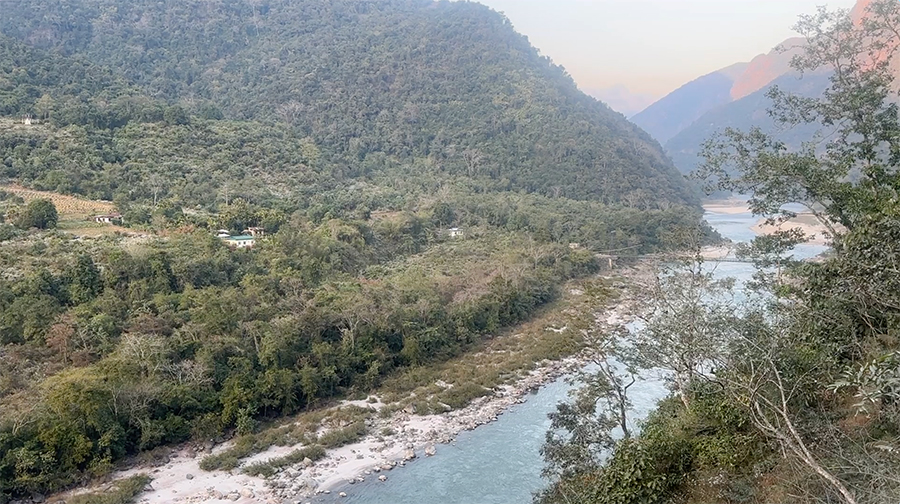 Meanwhile, the fishing area will have its spawning sites identified and protected with the help of the local community.
Rafting and fishing guides will receive intermediate-level training to improve their skills and service quality.
Additionally, the community will promote local products such as tapioca to generate additional income.
As Yangbari prepares to welcome more visitors, the eco-lodge and river-based adventure tourism not only aim to pave the way for balanced regional tourism growth but also create a sustainable source of income for residents.
Namgyel Wangchuk, Monggar
Edited by Phub Gyem