
 As Bhutan shifts from Sales Tax to the Goods and Services Tax or GST, questions and concerns are surfacing among the public. While the change may seem new, GST is essentially a streamlined tax system that replaces multiple sales taxes with a single, uniform rate of five per cent.
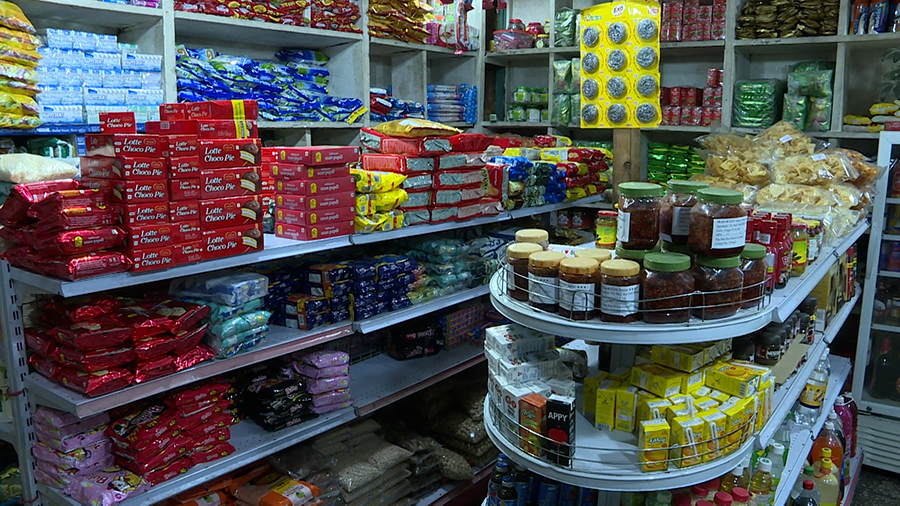 The Goods and Services Tax replaces 16 different sales tax rates that were previously applied to various goods and services. However, essential items such as rice, oil, salt, sanitary pads, and wheelchairs are exempt from GST. Key services, including education and healthcare, are also exempted.
According to the Department of Revenue and Customs (DRC), GST is expected to improve transparency in tax collection, simplify administrative processes, and broaden the tax base. By removing multiple sales tax rates, the system will also eliminate cascading double taxation, resulting in a simpler, more efficient, and transparent tax regime.
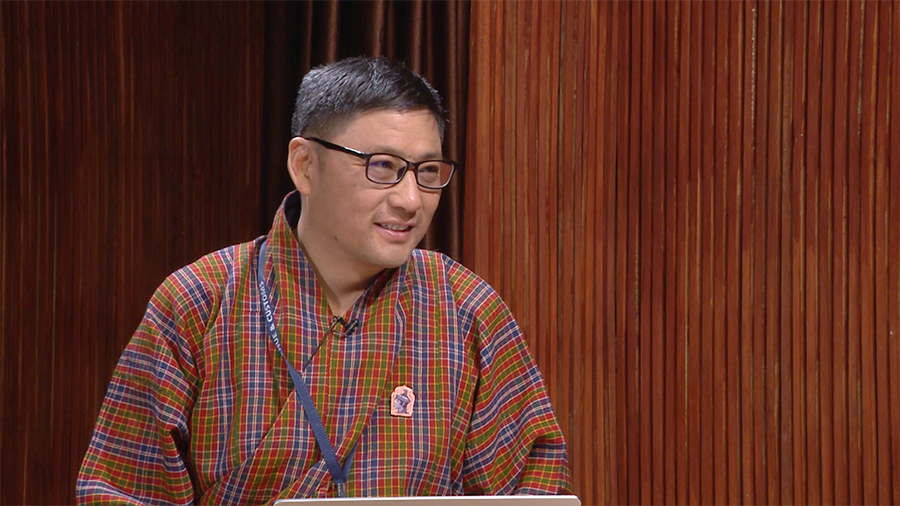
“Not many people ask for receipts, so the implementation of GST will help strengthen this culture. We urge business entities to provide receipts, while consumers should also request them. To make the system effective and transparent, this is the way forward,” said Kuenzang Thinley, Commissioner of GST and BITS Project, DRC.
 Currently, 95 per cent of taxpayers have an annual income below Nu 5 M. They may remain unregistered or opt for voluntary registration when they cross Nu 2.5 M. However, the department states that the GST will bring more businesses into the formal GST framework, allowing them to claim input tax credits. This will encourage proper business practices, better record-keeping, and stronger businesses in the country.
So far, the Department has migrated around 4,400 business entities to the GST framework.
 Meanwhile, the public has expressed concern over not registered businesses charging GST on their goods and services. In response, the department clarified that only businesses with a GST Registration Confirmation Certificate, issued through the Bhutan Integrated Taxation System, are allowed to charge GST.
“We are asking businesses to print the certificate or frame it and display it for consumers to see. Otherwise, people may question whether they are authorised to charge GST, and conflicts may arise,” added Kuenzang Thinley, Commissioner of GST and BITS project, DRC.
He added that public awareness is crucial for a smooth GST rollout during the transitional period, although penalties for non-compliance will be enforced gradually.
“If unregistered businesses have collected GST, we are urging them to refund it to consumers. If that is not feasible, they are requested to visit the nearest DRC office to remit the amount to the government,” said Kuenzang Thinley, Commissioner of GST and BITS project, DRC.
 Additionally, the department also warned that businesses will not be able to evade GST.
“As a retailer, you must purchase goods from wholesalers to run your business. Many of these suppliers providing milk, biscuits, and alcohol are registered under the GST framework. Even if a retailer chooses to avoid registration, their business details will be captured through these transactions. In accordance with the law, such businesses will be registered, along with applicable penalties and sanctions,” said Kuenzang Thinley, Commissioner of GST and BITS project, DRC.
Currently, 175 countries worldwide have implemented GST or similar consumption-based tax systems.
Kinzang Lhadon
Edited by Tandin Phuntsho