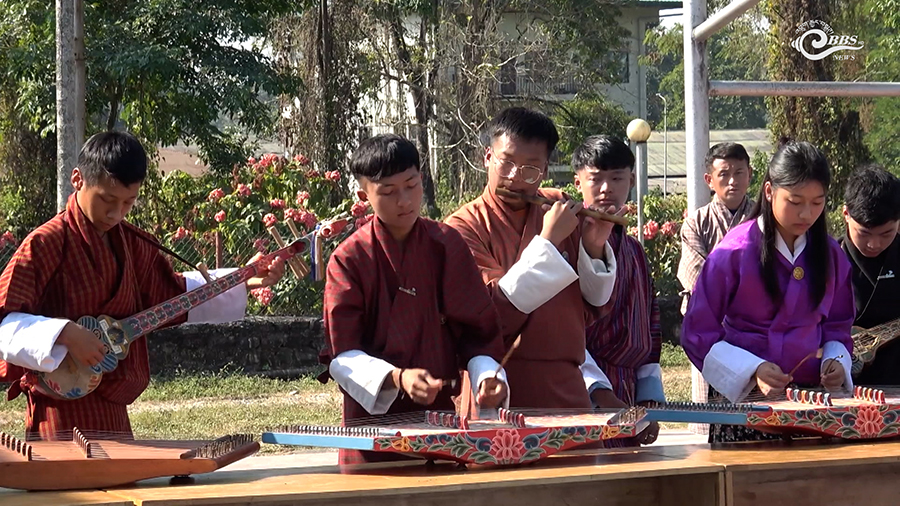
 Bhutan’s traditional music is rich, but opportunities to learn it remain limited. This winter in Gelephu, the Engaging Youth in Living Heritage programme opened that door for around 60 students. The initiative introduced young participants to traditional music, instruments, and other cultural arts.
17-year-old Cheki Wangdi from Zhemgang has been drawn to traditional music for as long as he can remember. Currently a student at Pelrithang Higher Secondary School, Cheki says learning Bhutanese music was once just a dream, one without instruments, teachers, or space to practise.
That changed in 2021, when he first joined the winter and summer engagement programmes organised by the Department of Culture and Dzongkha Development in Thimphu. Since then, he has returned every chance he gets, spending most of his school vacations immersed in music.
Today, Cheki plays dramngyen, lim and yangchen with ease, his confidence visible in every note.
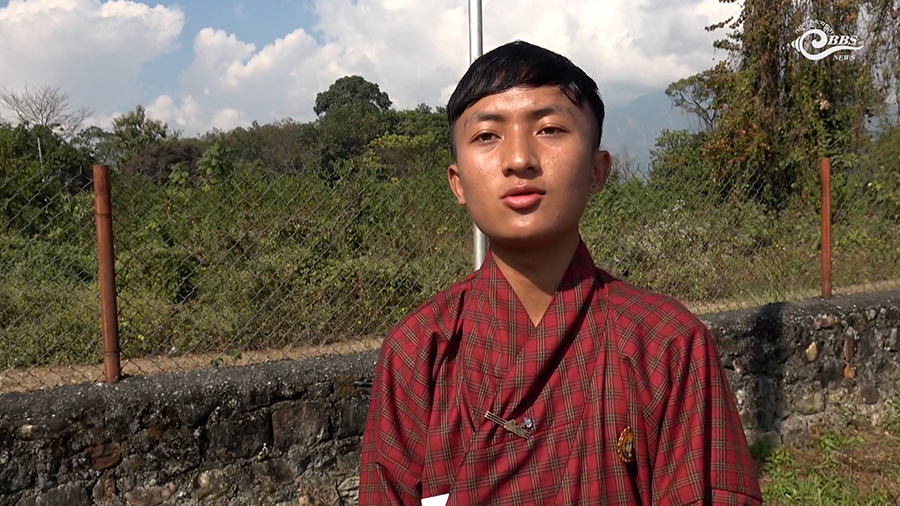
Cheki Wangdi said, “I spent most of my winter and summer vacations taking part in such programmes. They are very helpful because they allow us to learn and preserve our culture and tradition. As a music lover, it is very difficult to learn without instruments and a tutor. This programme has helped me a lot.”
Cheki’s journey is echoed by many others here.
For Ngawang Choki, a class ten student from Gelephu Higher Secondary School, the programme offered her first real chance to learn the yangchen, an instrument she had admired for years.
In just ten days, Ngawang picked up the basics and can now be seen playing confidently, her movements steady and assured.
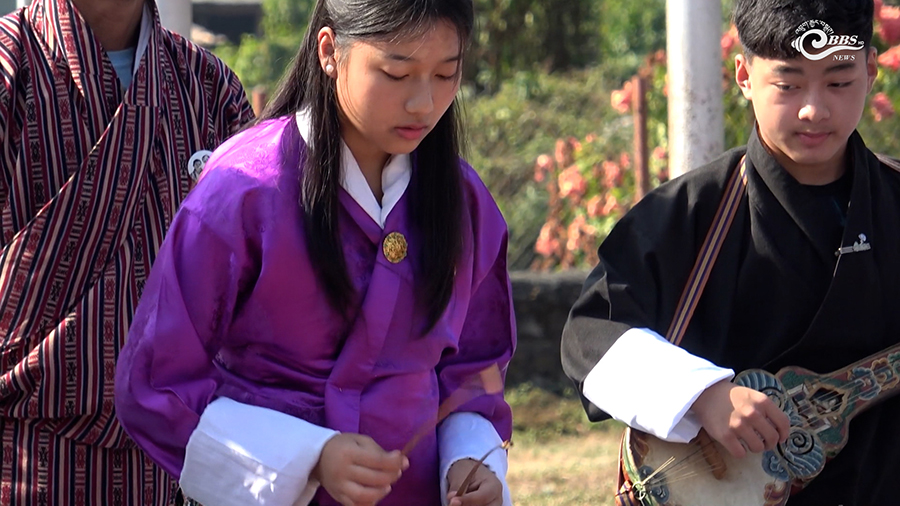
Ngawang said, “I was fond of the traditional instrument, yangchen, for a very long time, but I didn’t have a place or someone to teach me. This programme helped me a lot. Now that I know a little, I would like to teach others and help preserve our culture.”
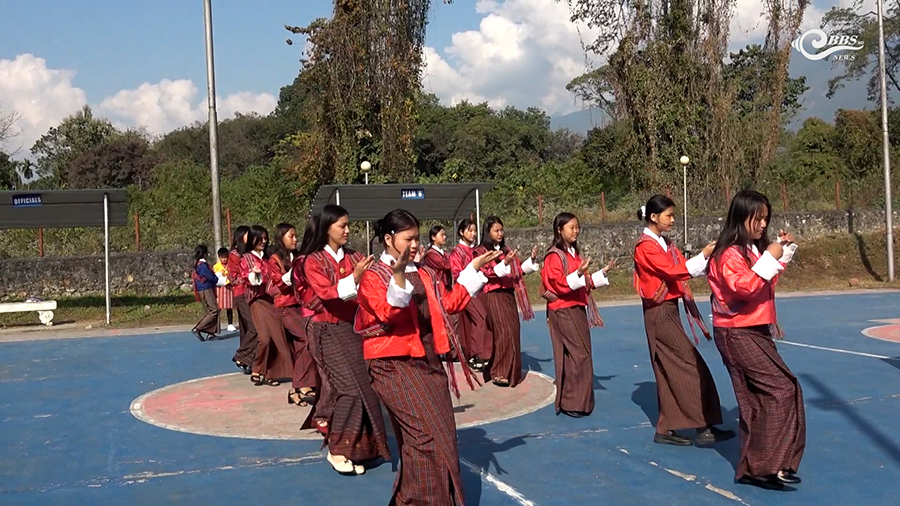 Beyond music, the programme also introduced students to traditional dance and songs, painting, sculpting, xylography, paper preservation and calligraphy, allowing them to explore Bhutanese heritage in its many forms.
Karma Yangzom, a student from Gelephu HSS who is particapting in the programme said,“Through Boedra singing and dancing, I learnt not only the dance styles and attire, but also the origins and history of Boedra songs. I wish to take part in such programmes again.”
According to organisers, while some cultural activities exist in schools, they are often incomplete.
“There are programmes in some schools, but they are not effective or complete. Here, we teach the basics in detail. For music, we teach note scales like do, re, mi, fa, so, la, ti, things that are not taught in schools,” said Yeshi Lhendup, the coordinator of the Engaging Youth in Living Heritage Project.
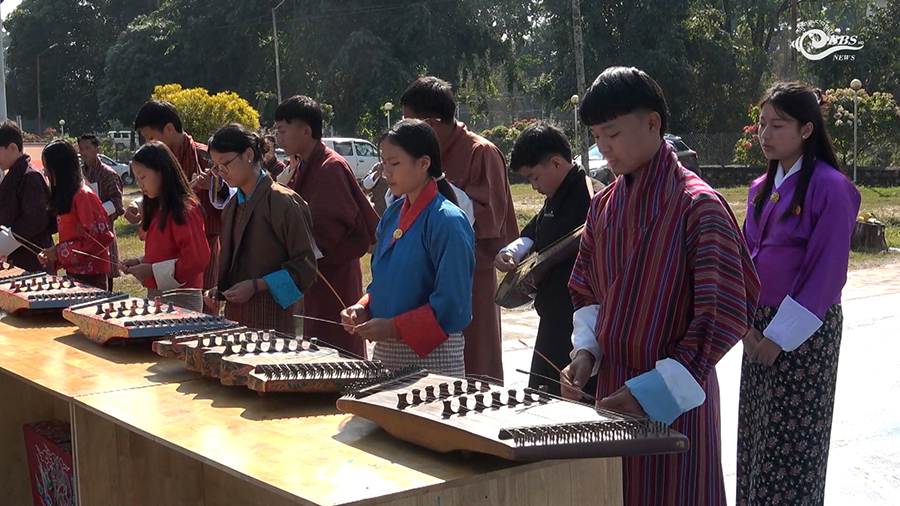 In its fifth edition, the programme has reached over 600 students during winter and summer breaks. The organisers say more art forms will be added, and the programme will be taken to more districts in the future.
The programme may have ended in Gelephu yesterday. But the connection these students formed with Bhutan’s living heritage will last far beyond the final performance.
Passang Dorji & Karma Wangdi, Gelephu